
Assam and Meghalaya – Assamazing Adventures and Meghalicious Delights


As per the tradition followed by the Advaita Vedanta school of Hinduism, founded by Adi Shankaracharya, the 18 Shakti Peethams are different from the ones mentioned in the previous answer. According to Shankaracharya’s list, the 18 Shakti Peethams are:
- Thirukoneswaram Temple in Sri Lanka
- Kanchi Kamakshi Temple in Tamil Nadu
- Shrukala devi Temple in West Bengal
- Sri Chamundeshwari Temple in Karnataka
- Jogulamba Temple in Andhra Pradesh
- Srisailam Temple in Andhra Pradesh
- Mahalakshmi Temple in Kolhapur, Maharashtra
- Eka Veerika devi Temple in Nanded, Maharashtra
- Shri Mahakaleshwar Temple Madhya Pradesh
- Sri Kukkuteswara Swamy Temple in Andhra Pradesh
- Biraja Temple in Orrisa
- Draksharama in Andhra Pradesh
- Kamakhya Temple in Assam
- Prayaga Madhareshwari devi Temple in Uttar Pradesh
- Jwalamukhi Temple in Himachal Pradesh
- Sarvamangala Devi Temple in Bihar
- Sri Kasi Vishalakshi Devi Temple in Varanasi
- Kashmir Saraswati Temple in Kashmir
It is important to note that different schools of Hinduism may have different lists of Shakti Peethams based on their respective traditions and beliefs.
The concept of Shakti Peethams is not specifically mentioned in the Hindu Vedas, which are considered the most ancient and authoritative scriptures of Hinduism. However, the worship of the divine feminine power, Shakti, has been an integral part of Hinduism since ancient times.
The origin and significance of the Shakti Peethams are mentioned in various Puranas, which are a genre of Hindu scriptures that primarily deal with mythology and cosmology. The most commonly referred to Puranas in the context of Shakti Peethams are the Devi Bhagavata Purana and the Kalika Purana.
According to these Puranas, Goddess Sati, an incarnation of Goddess Shakti and the wife of Lord Shiva, immolated herself in a sacrificial fire after her father, Daksha, insulted Lord Shiva. Lord Shiva was enraged and carried Sati’s body, performing the Tandava dance of destruction. To save the universe from total annihilation, Lord Vishnu cut Sati’s body into 51 pieces with his Sudarshana Chakra, and the pieces fell in different parts of the Indian subcontinent, creating the Shakti Peethams.
The number and location of the Shakti Peethams vary in different Puranas, but the most commonly accepted number is 51. The 18 Shakti Peethams are also considered to be significant centers of Shakti worship and pilgrimage for devotees. However, it is important to note that the concept of Shakti and its worship is a complex and diverse aspect of Hinduism, with many different traditions, practices, and beliefs.
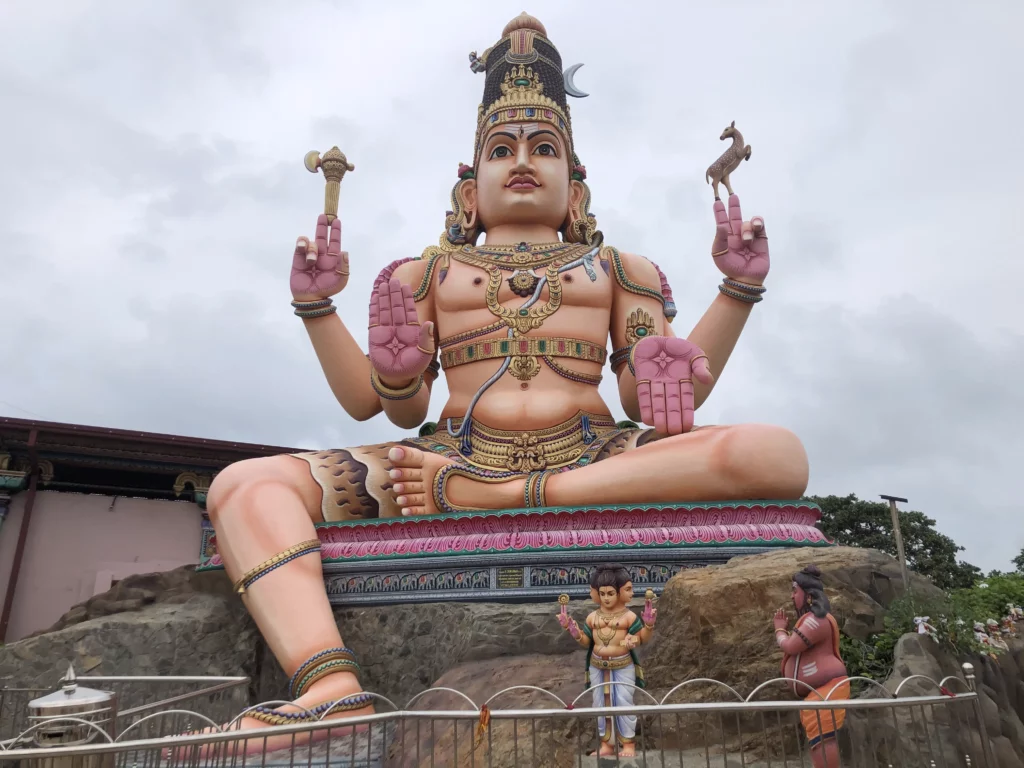
Sankari Devi – Trincomalee, Sri Lanka
The Trincomalee Sankari Devi Temple, also known as the Koneswaram Temple. The Trincomalee Sankari Devi Temple is a place of great significance for Hindus and is one of the most important pilgrimage sites in Sri Lanka.


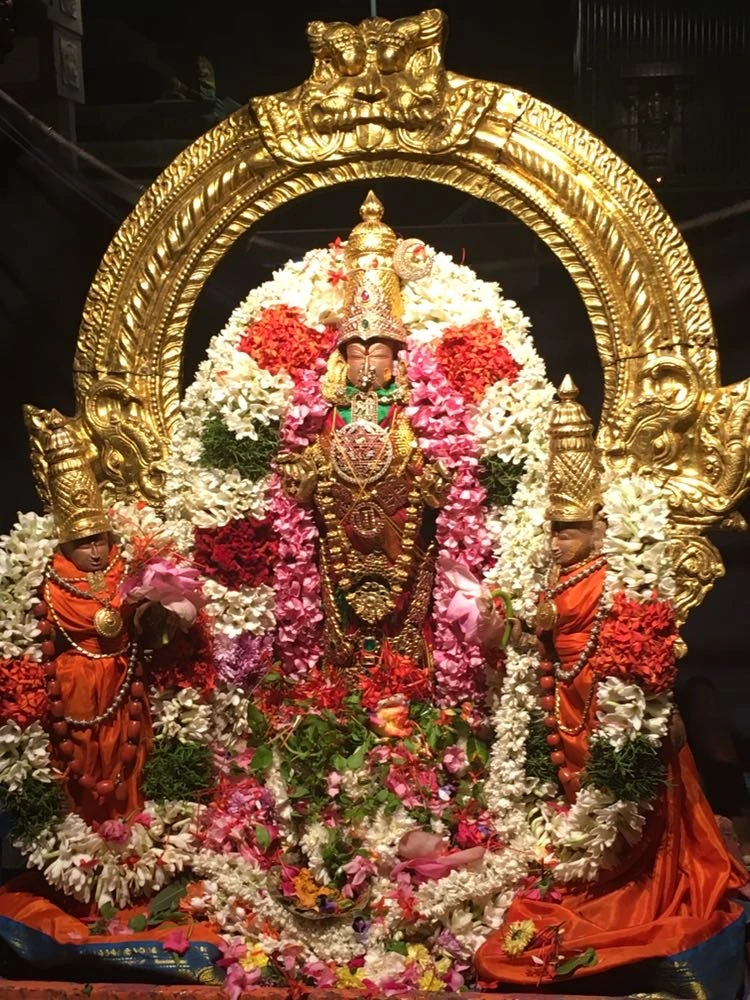
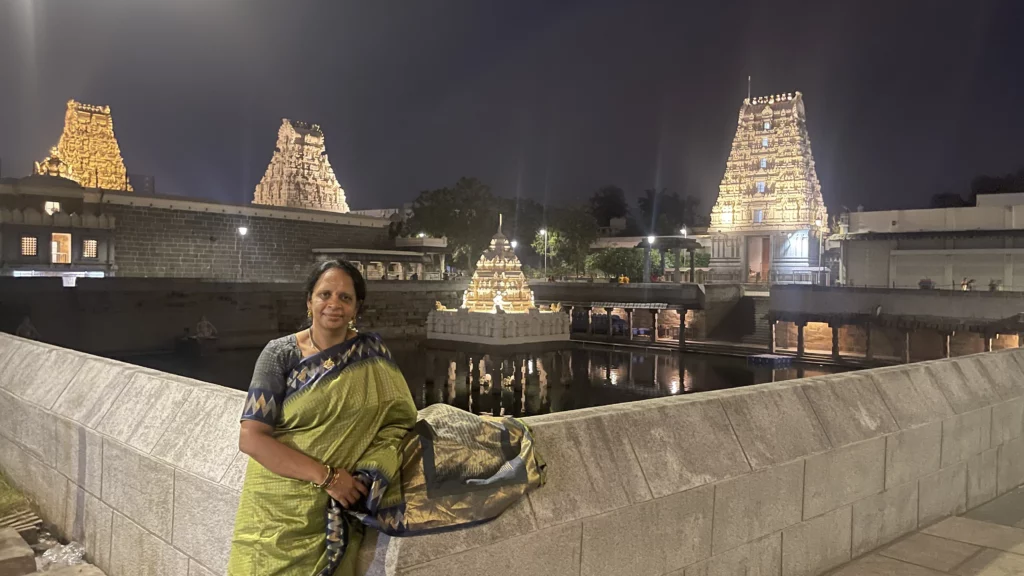
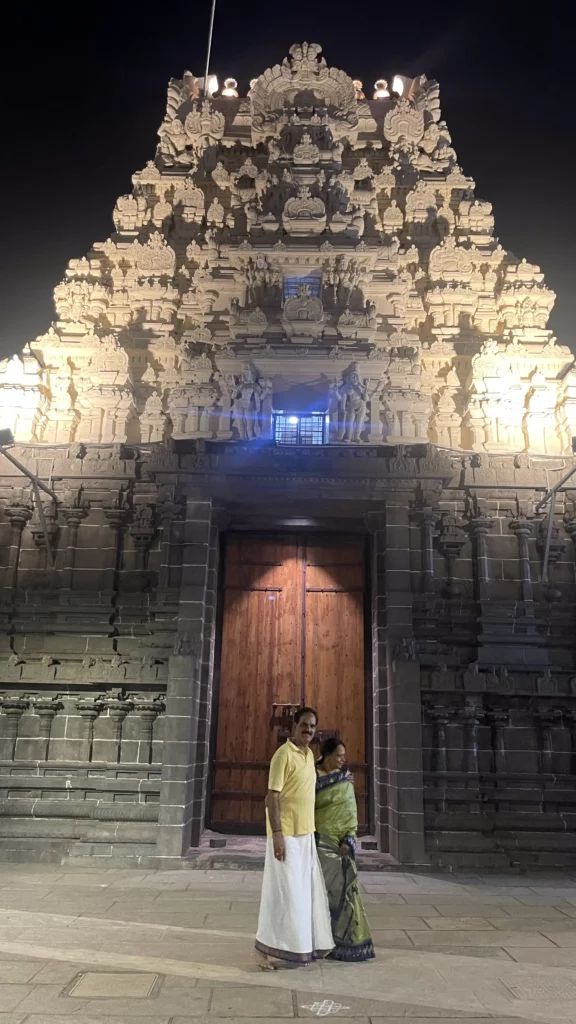
Kamakshi Devi – Kanchipuram, Tamil Nadu
The Kanchi Kamakshi Temple is located in Kanchipuram, Tamil Nadu, and is dedicated to Goddess Kamakshi, who is considered to be an incarnation of Goddess Parvati.




Shrukala Devi – Praddyumnam, West Bengal
Pradyumne Shrinkhala Devi is one of the eighteen Shaktipeeth. The word Shrinkhala has two meanings. The first one being, a Binding thread or Binding chain, second one is, a cloth which is used by the postnatal women to tie their abdomen tightly.
According to the first meaning the goddess is in bounded form. Of-course, Jaganmata is bound only to the lord Shiva (Satya). She removes all bonds attached to her devotees. In the second meaning the goddess is in postnatal stage ( Mother of a newborn baby), in this form, she will see the entire universe as her child.
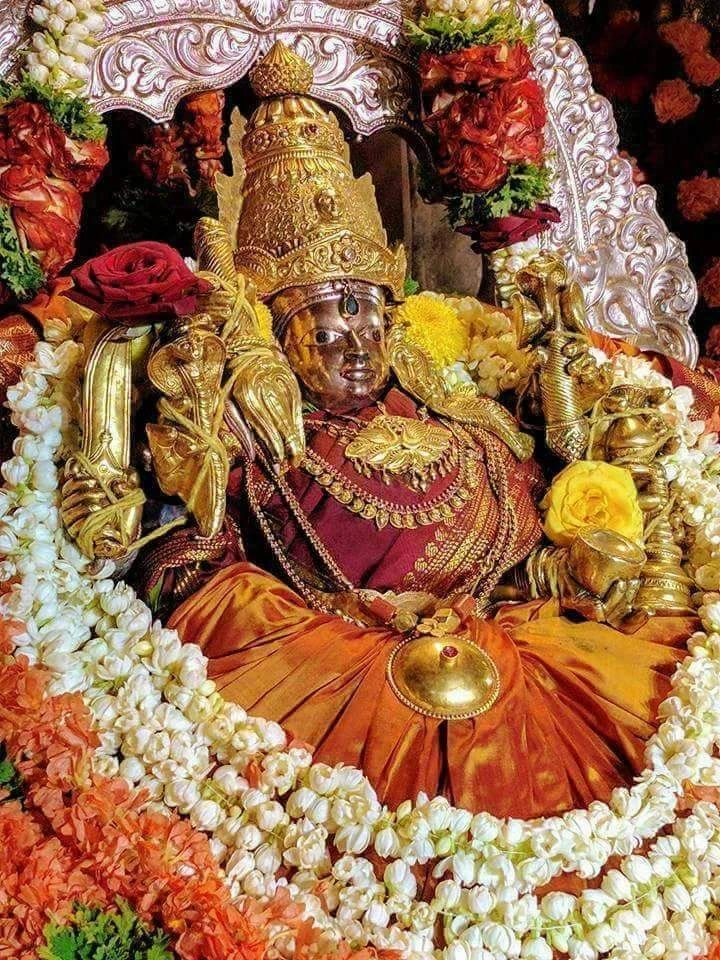
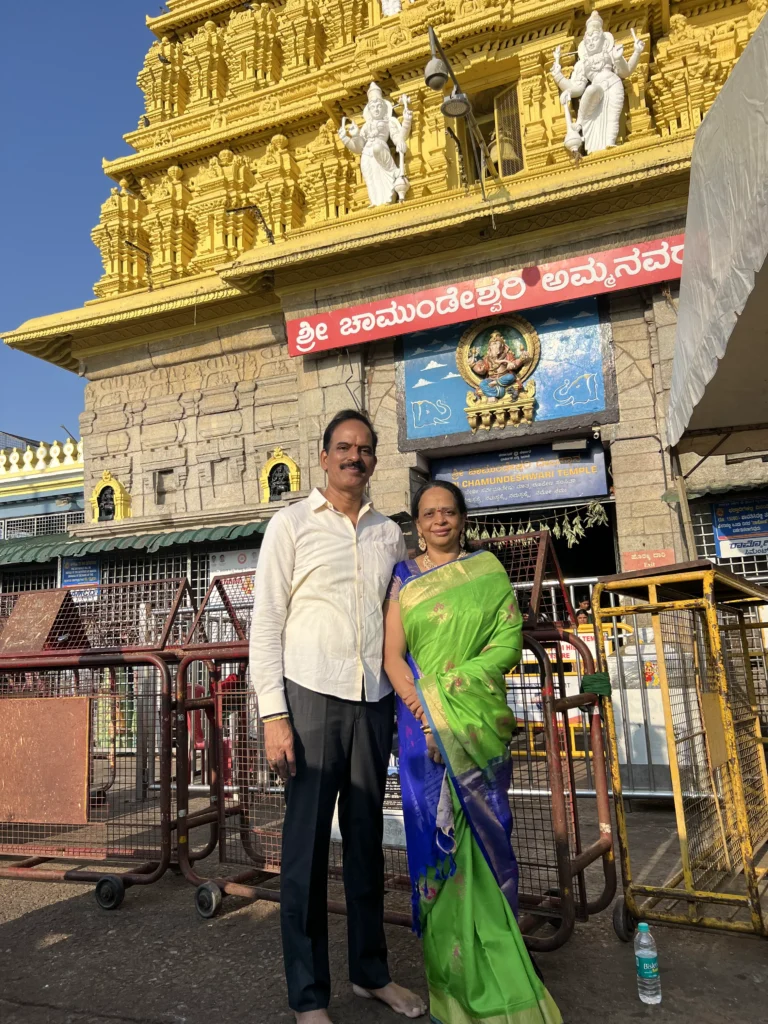
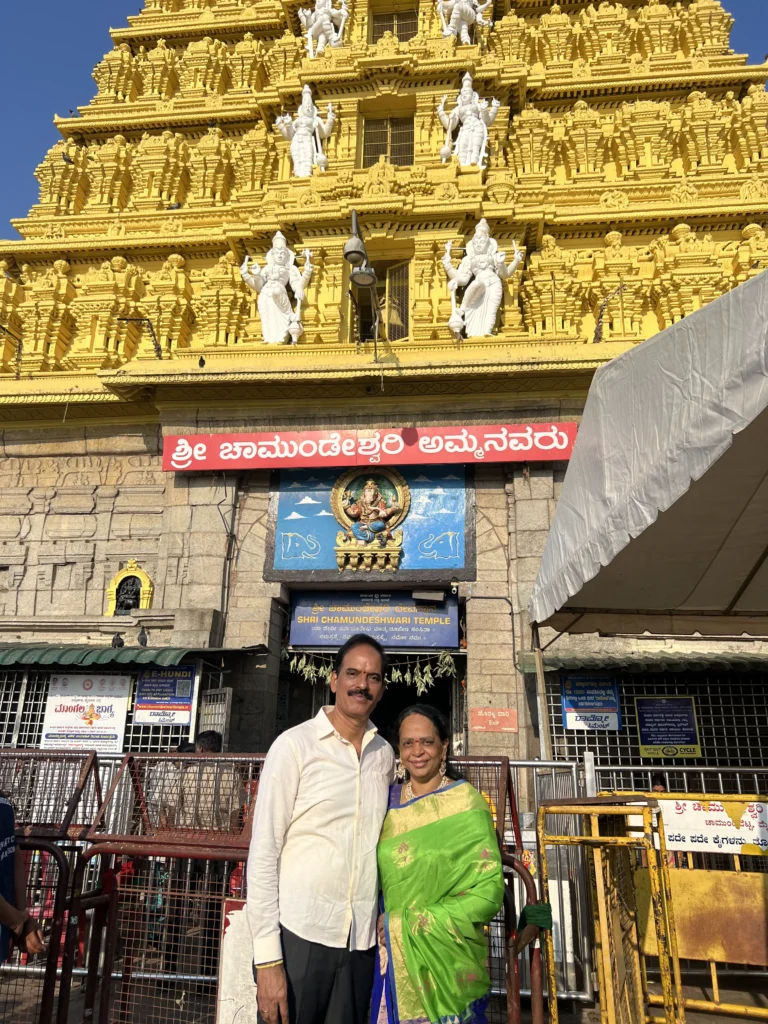
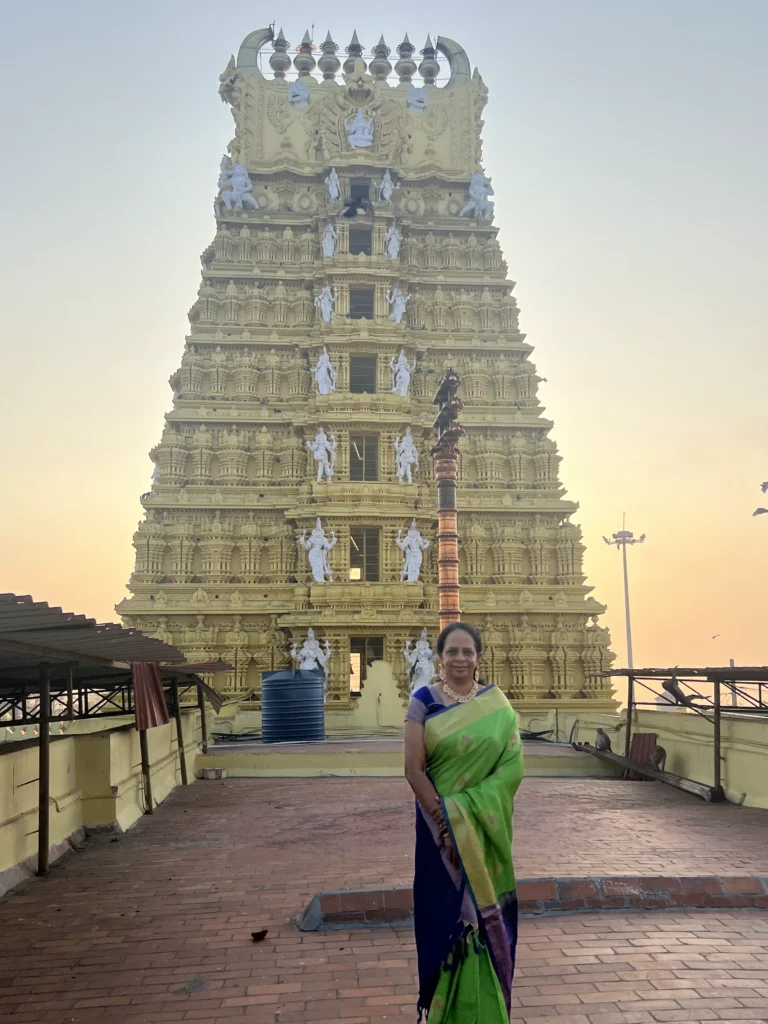
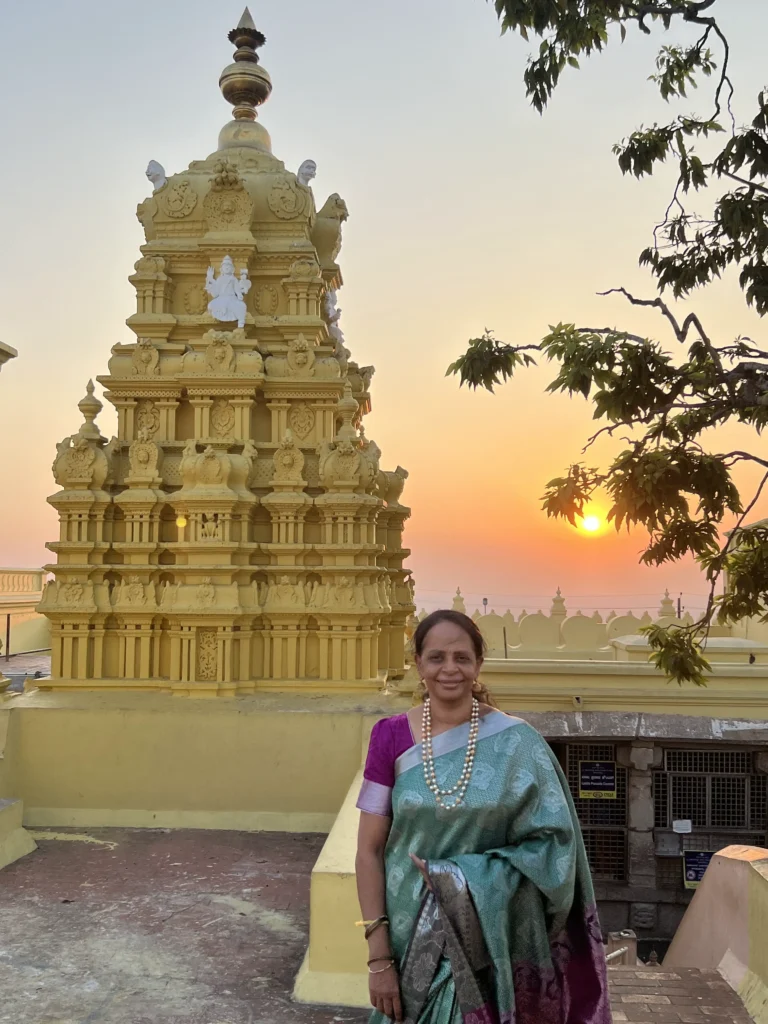
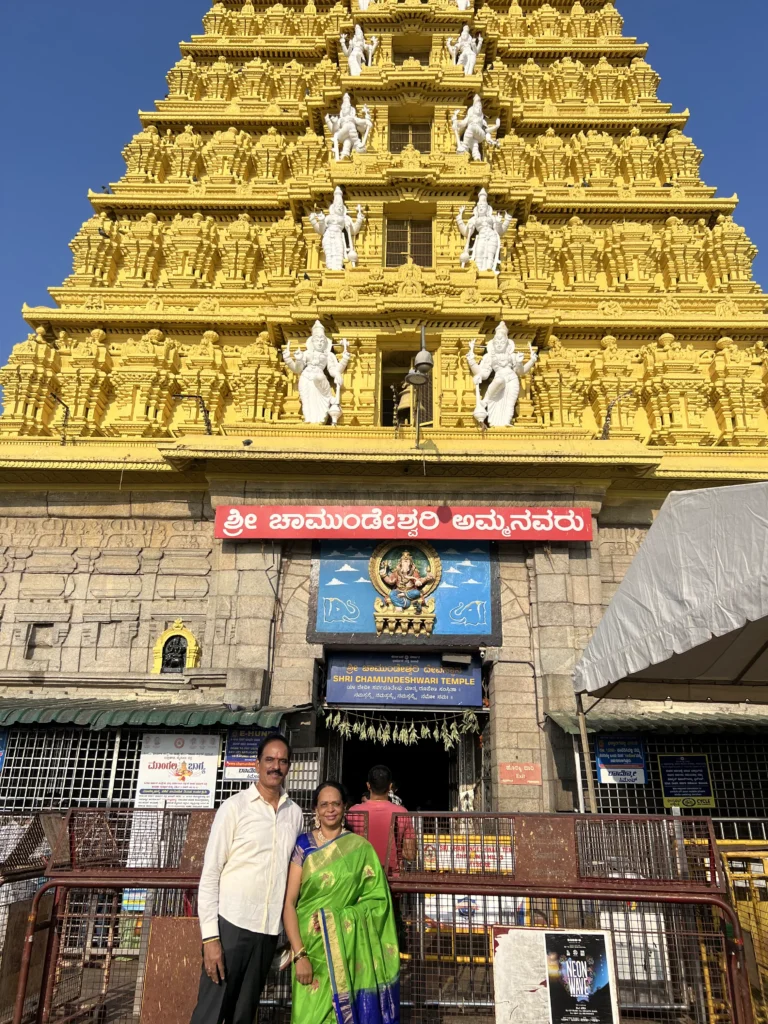
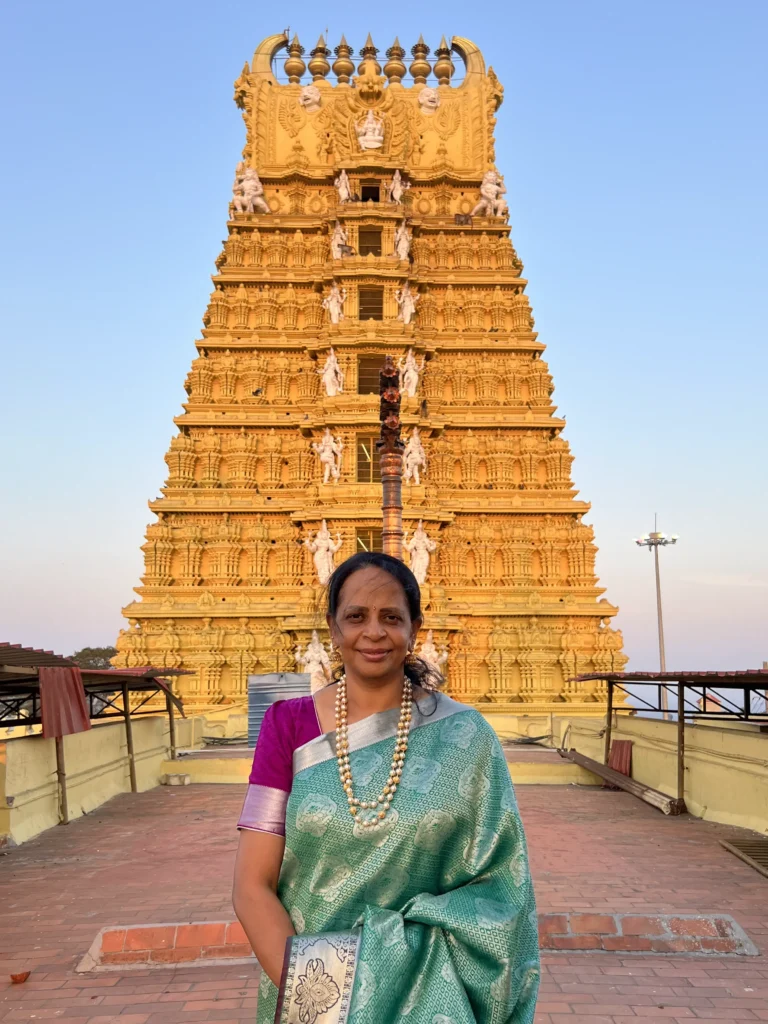
Chamundeshwari Devi – Mysore, Karnataka
The Chamundeshwari Temple is considered as a Shakti Peetha and one among the 18 Shakti Peethas. It is known as Krouncha Pitha and the region was known in Puranic times as Krouncha Puri. It is said that the hair of Sati fell here. It is believed that Goddess Durga slayed the demon king Mahishasura on the top of this hill which was ruled by him. The place was later known as Mahishooru
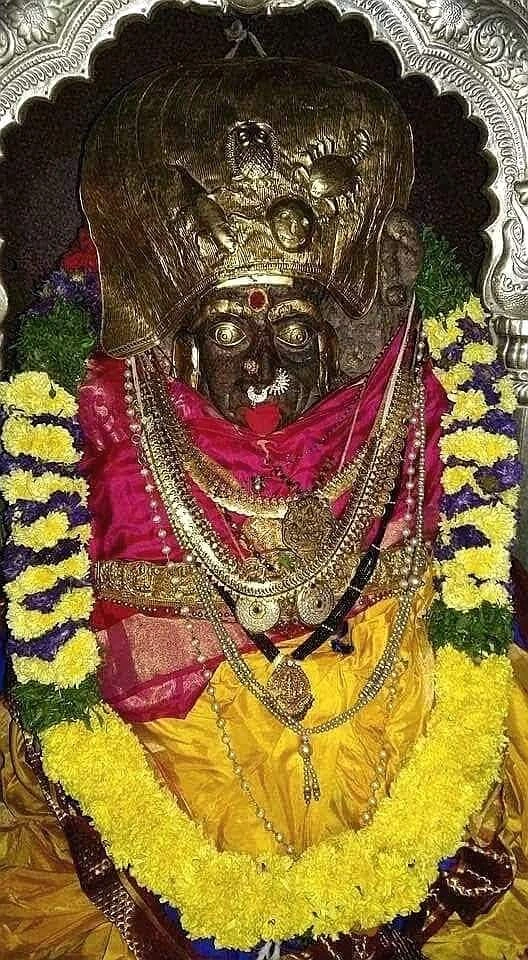
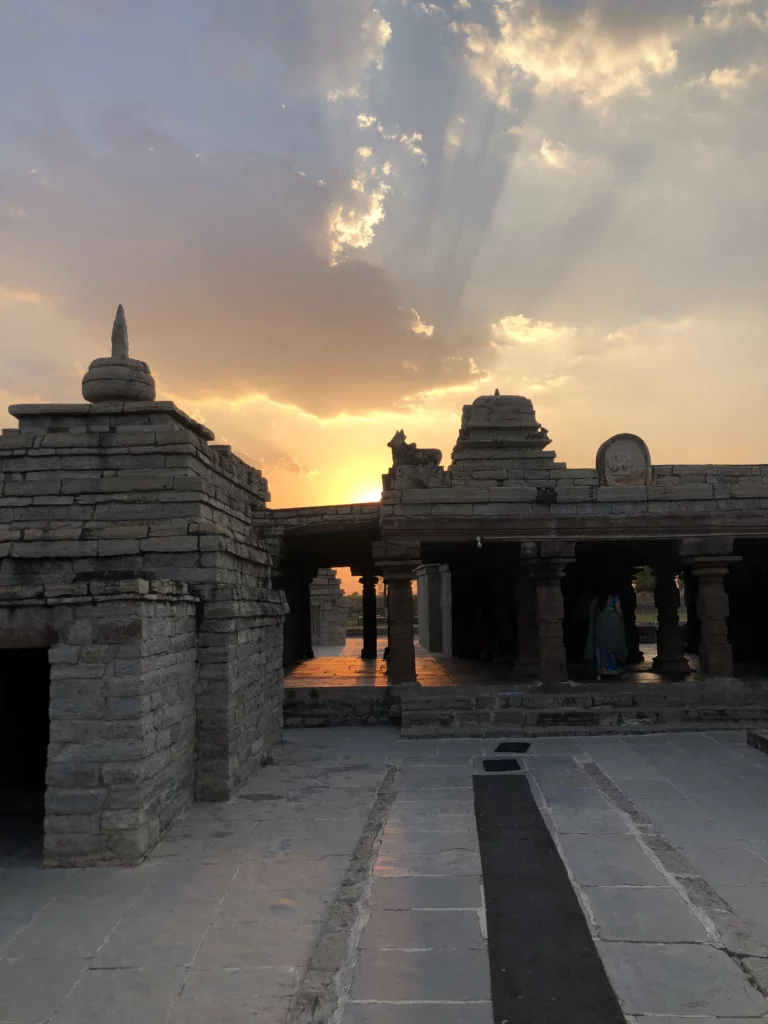
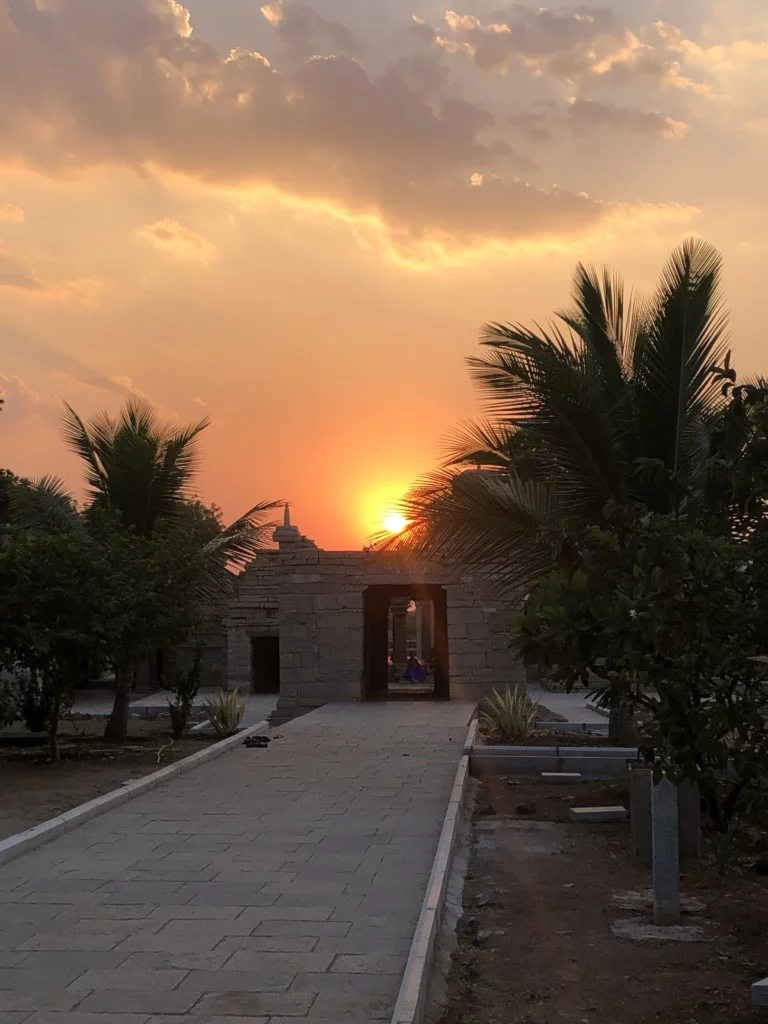
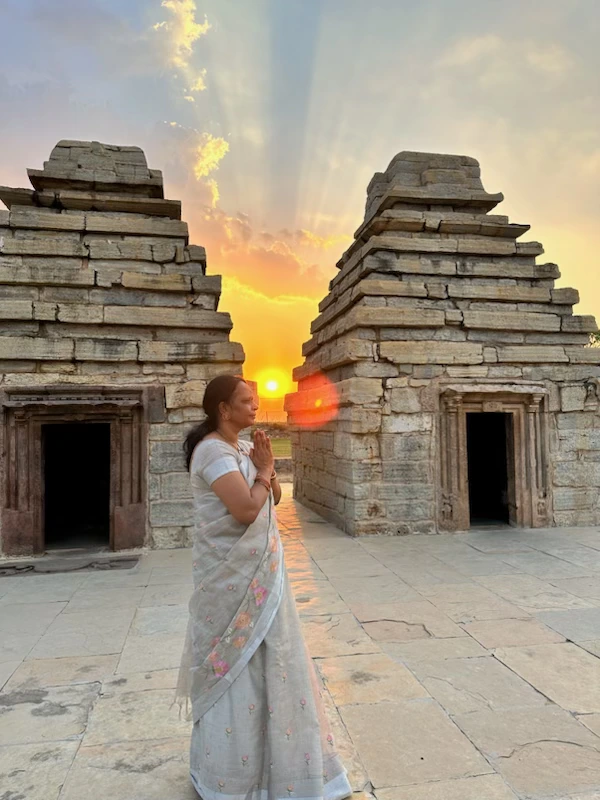
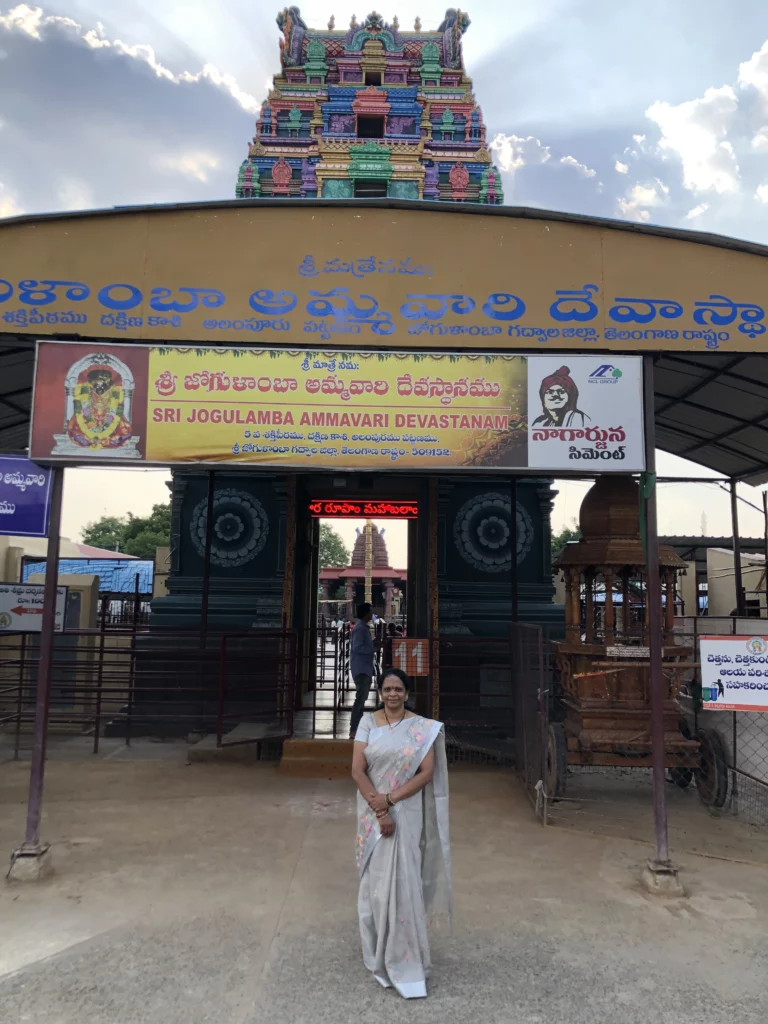
Jogulamba Devi – Alampur, Telengana
Jogulamba temple is a Hindu temple dedicated to Goddess Jogulamba, a form of Shakti located in Alampur, Telangana, India. Jogulamba temple is regarded as a Shakti Peetha where Sati Devi’s upper teeth fell. The mythology of Daksha yagna and Sati’s self immolation is the origin story of Shakti Peethas. The original temple was reportedly built in seventh century CE. It was grounded by Bahmani Sultans in 1390 CE.
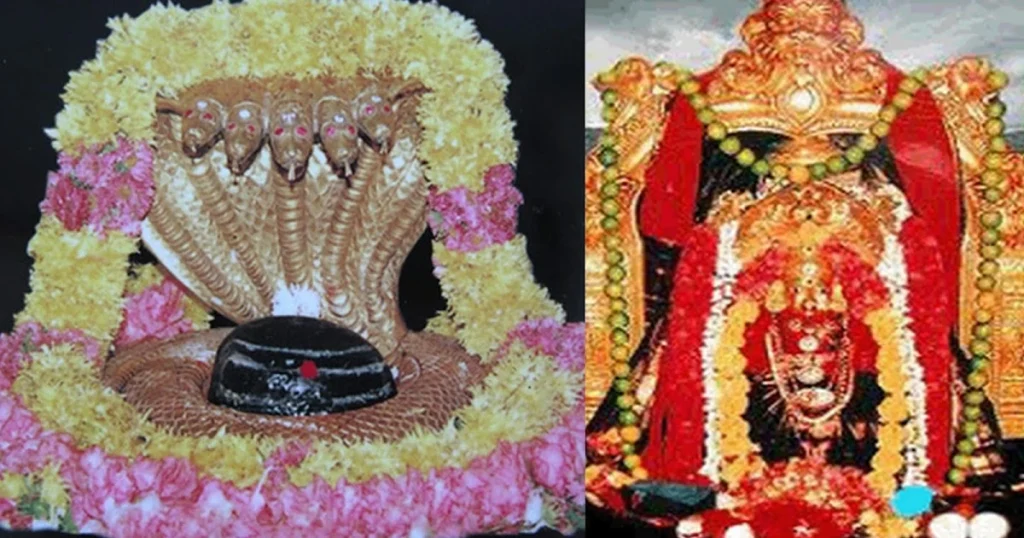
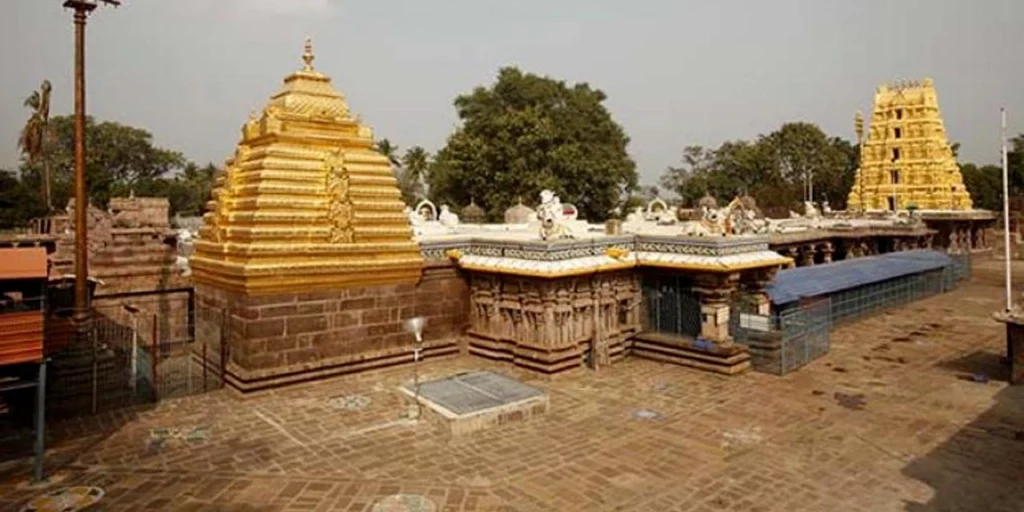
Bhramaramba Devi – Sri Sailam, Andhra Pradesh
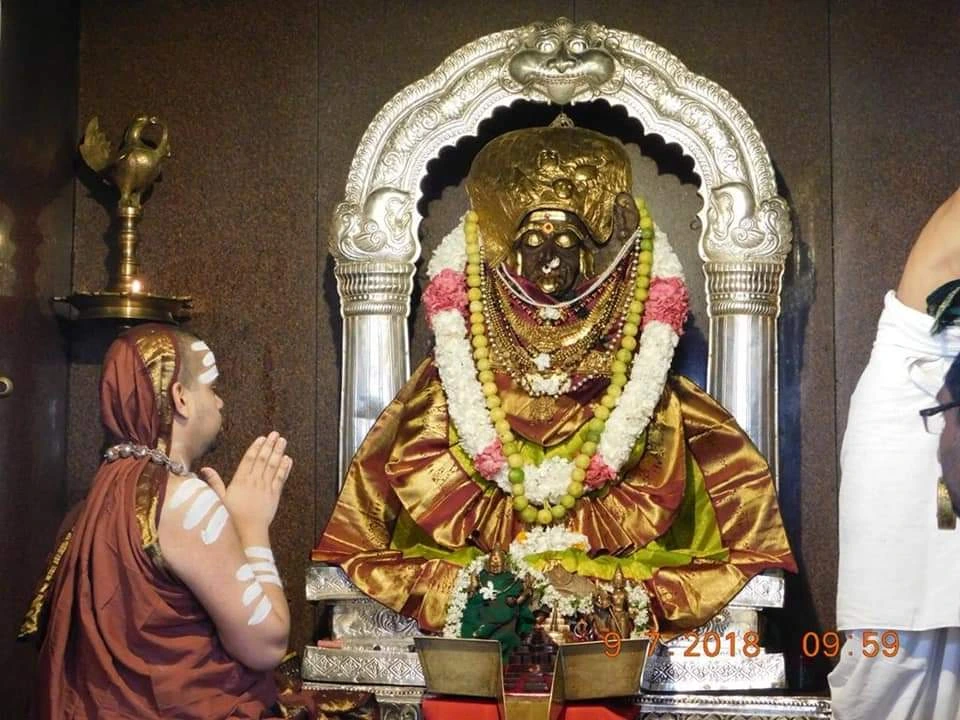
There are many legends associated with the Bhramaramba Devi Temple. This place is considered as Shakthi Peetam. It is said that neck of devi fell here in Srisailam. As per the most popular legend, Arunasura, a demon, was an ardent devotee of Lord Brahma. Pleased with his unwavering dedication, Lord Brahma blessed him with the powers that he cannot be killed by any two or four-legged living being.

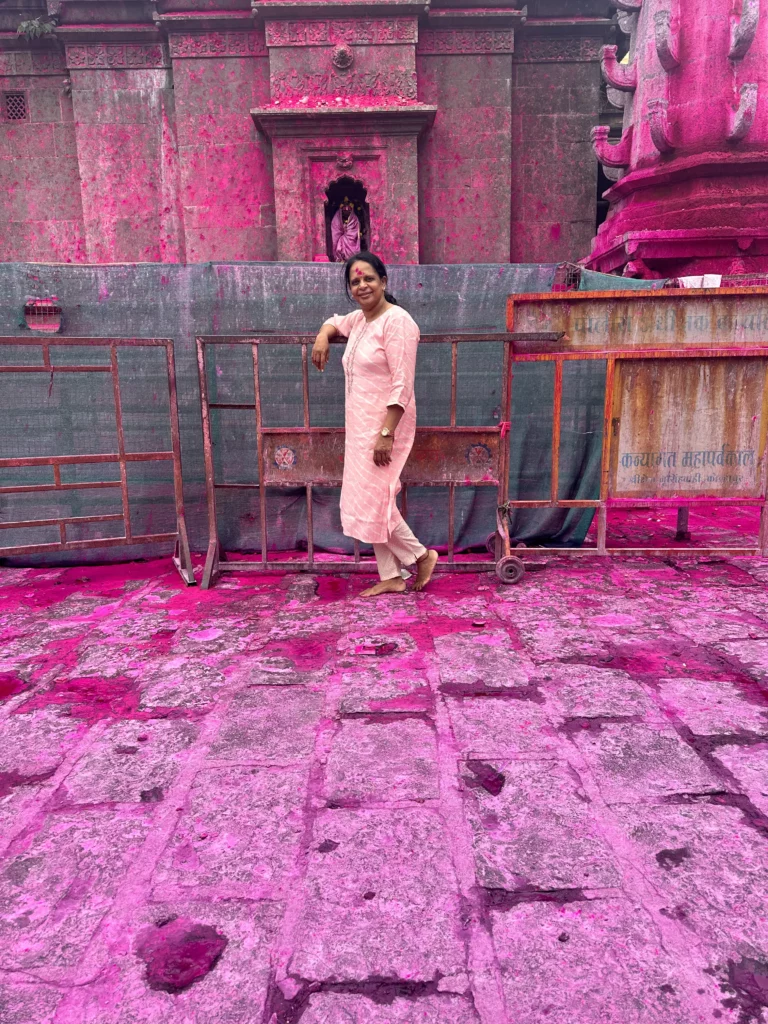
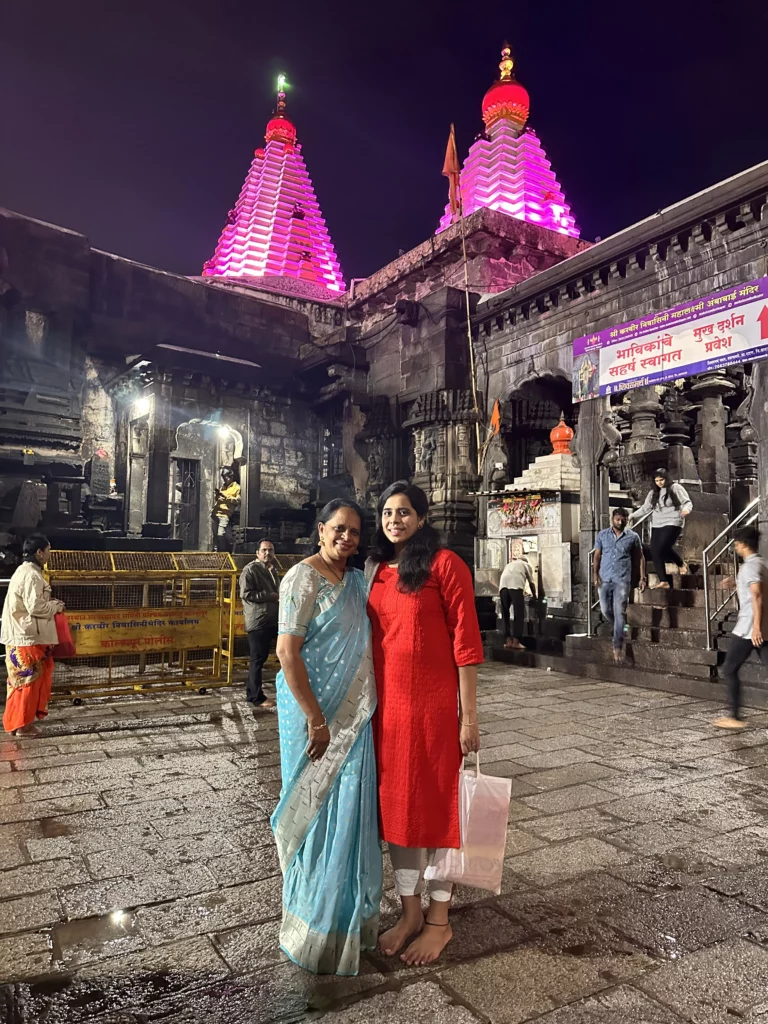
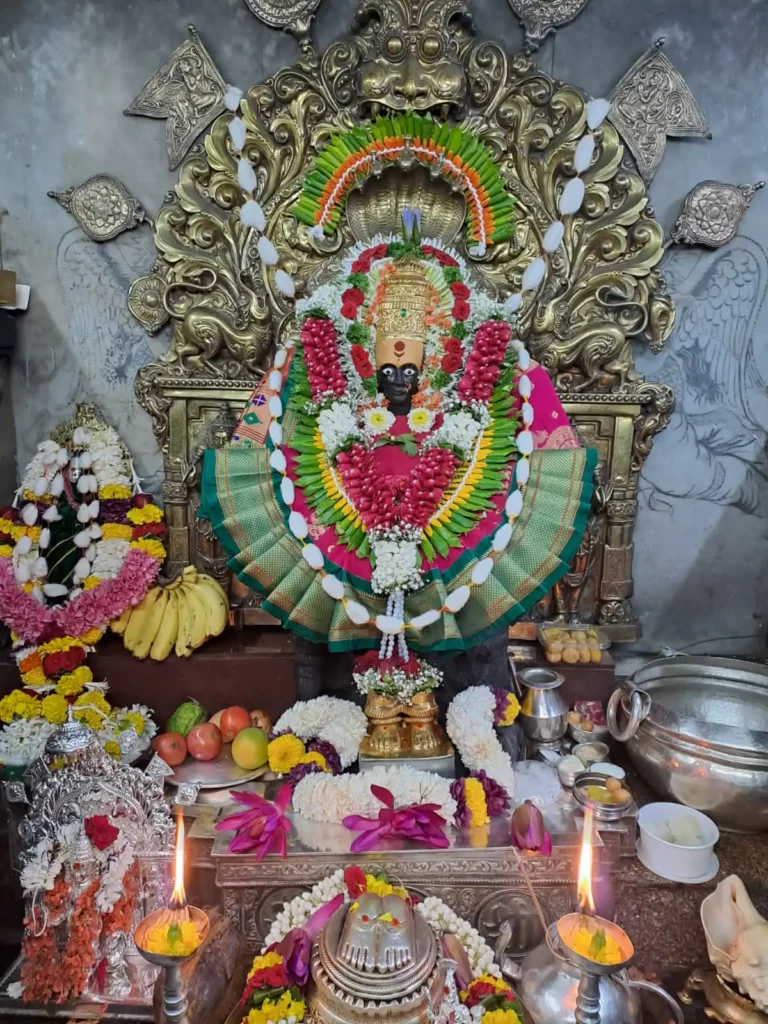
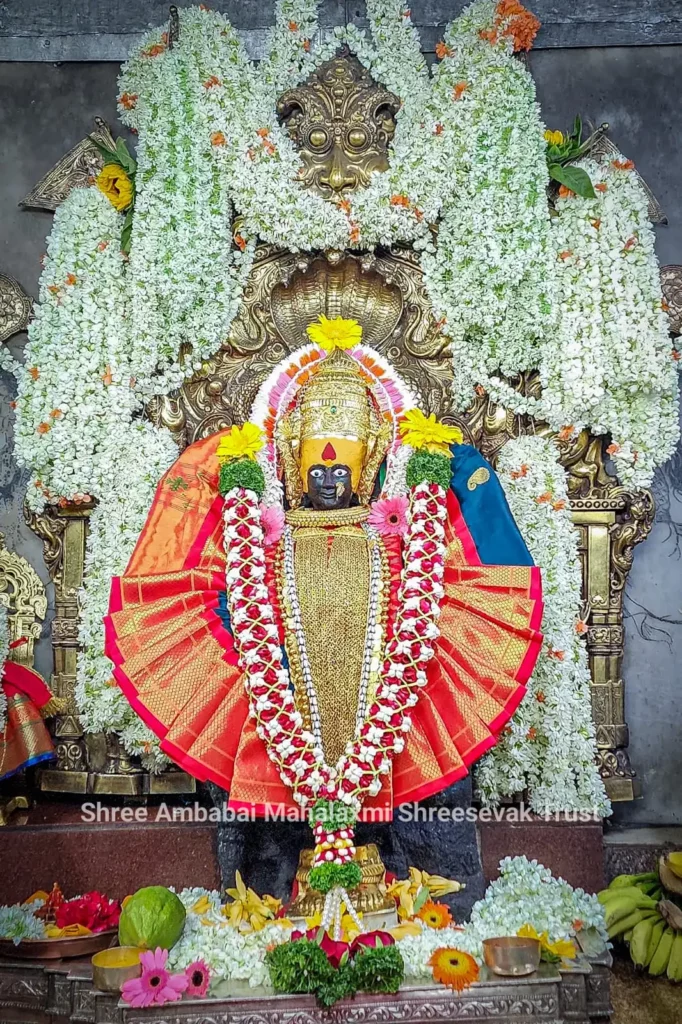
Mahalakshmi Devi – Kolhapur, Maharastra
The Shri Ambabai/Mahalaxmi Temple of Kolhapur in Maharashtra, India, is one of the three and half Shakti Peethas listed in various puranas of Hinduism. The Kolhapur Shakti Peetha is of special religious significance being one of the six places where it is believed that one can either obtain salvation from desires or havethem fulfilled.
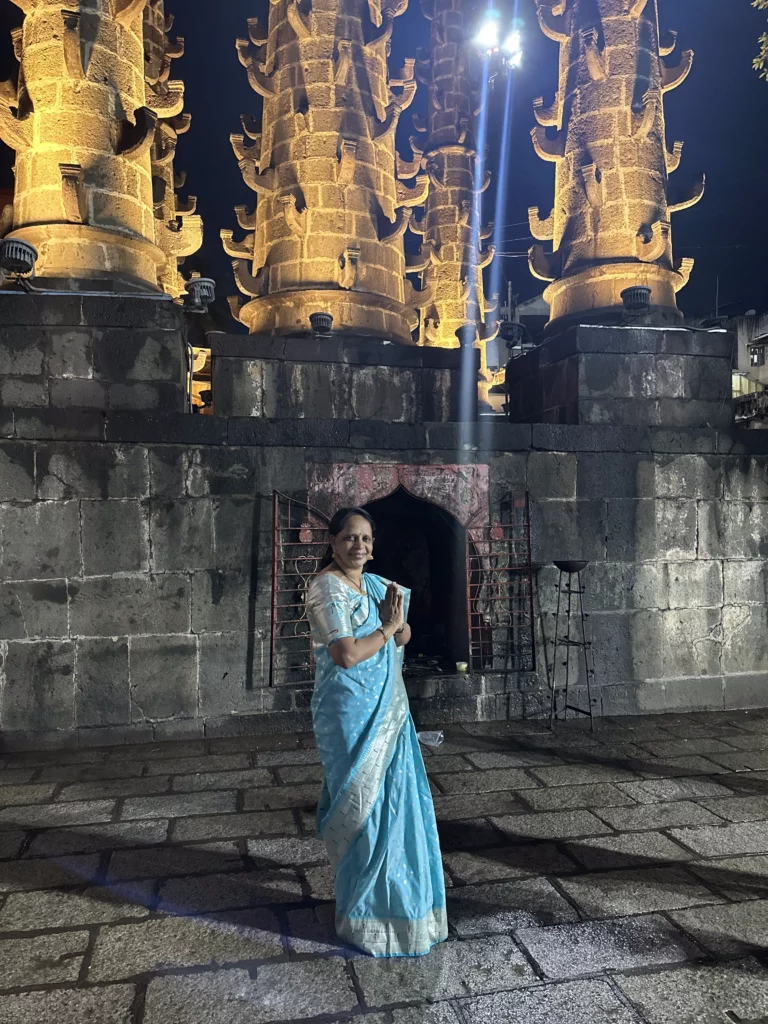
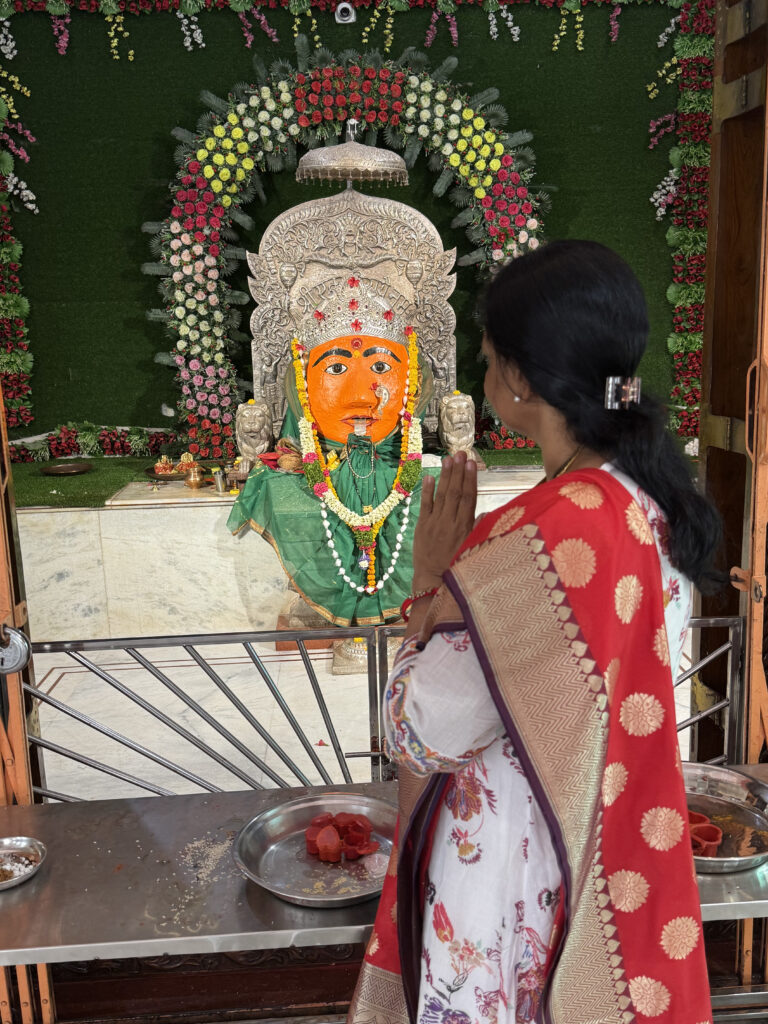
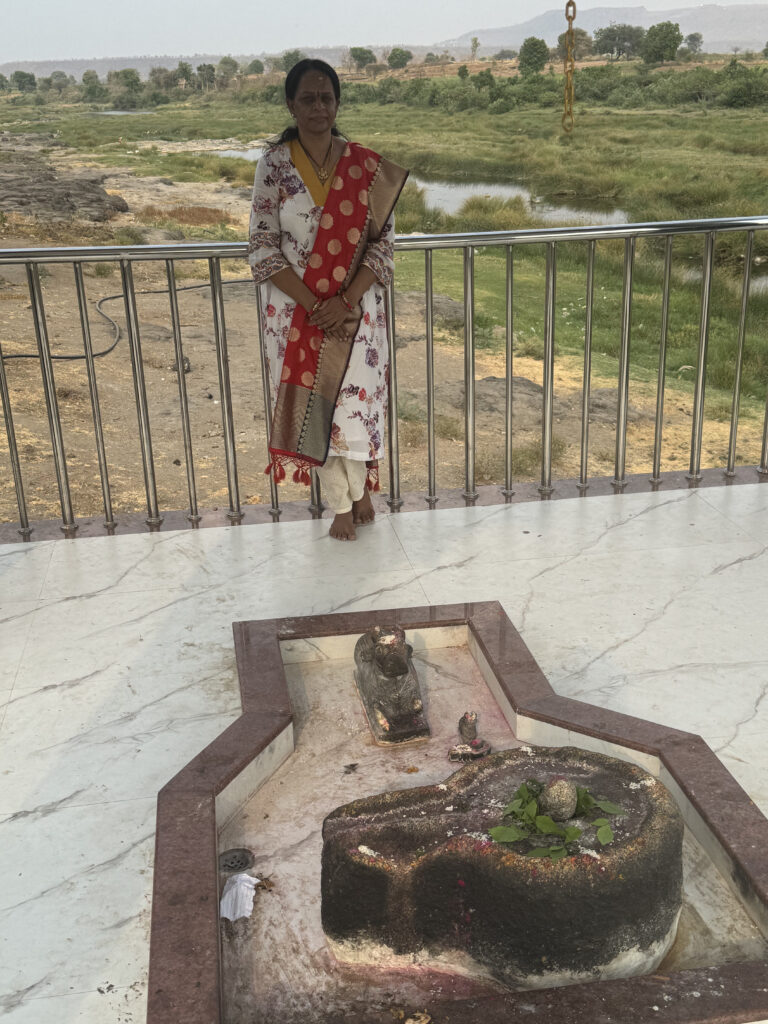
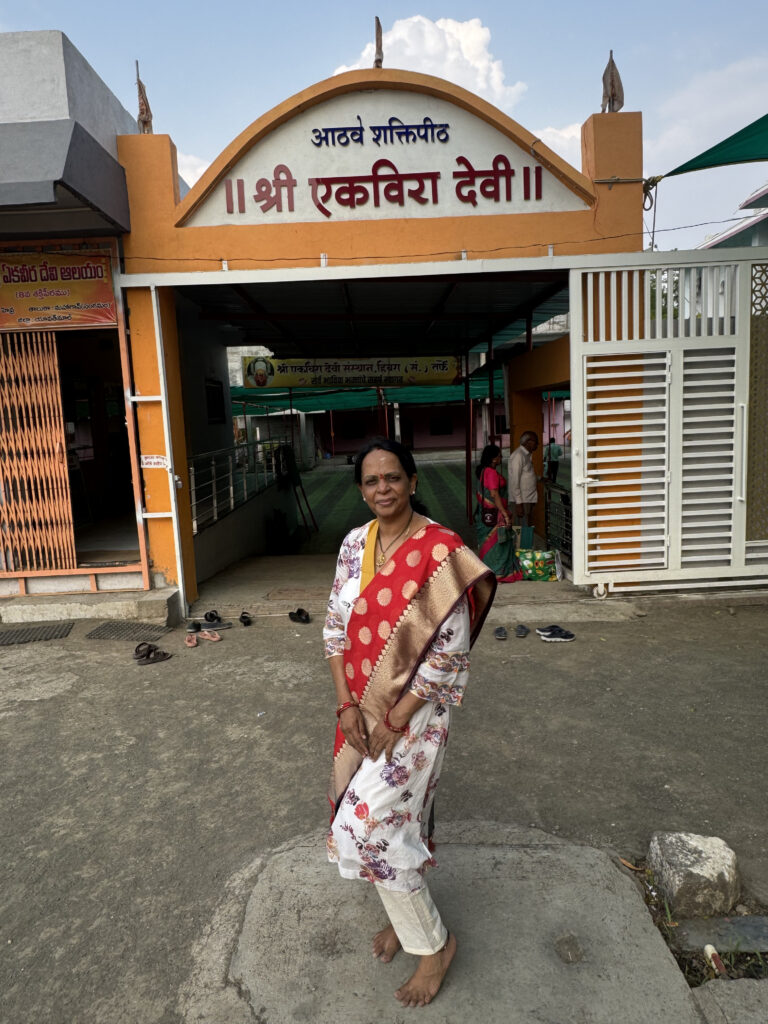
Ekaveerika Devi – Nanded, Maharastra
Ekaveerika devi temple is in Mahur , Maharashtra. The deity here is called Ekaveerika mata. The temple is in Yavatmal district in Maharashtra. Mahur is famous for Renuka Devi temple and very few people are knowing about Ekaveerika devi temple and mostly they call Renuka devi temple as shakti peeth. It is said that Ekaveerika Devi is the elder sister of Renukadevi. Renuka devi temple is 800 years old.



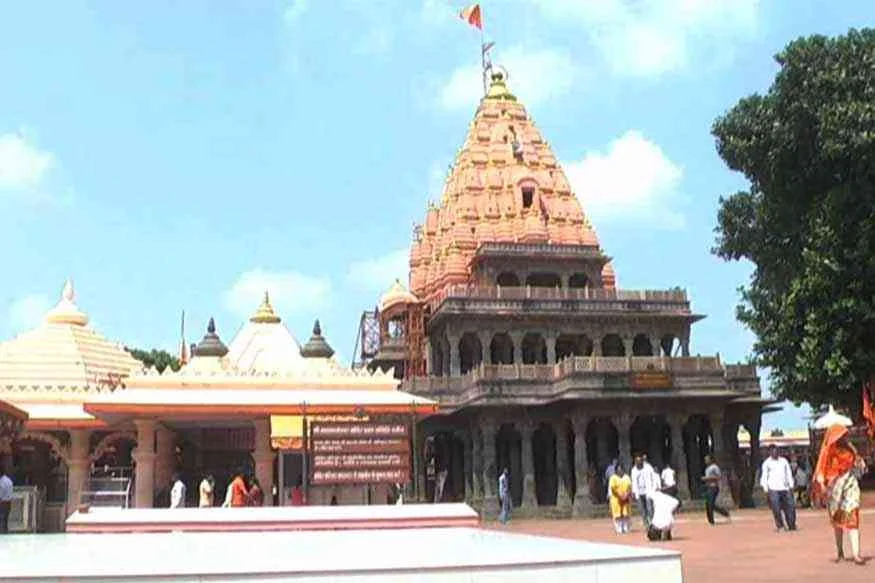
Mahakali Davi – Ujjain, Madhya Pradesh
The Ujjaini Shaktipith mahakali temple is located in ujjaini Madhya Pradesh.The temple is dedicated to Goddesh Mahakali.In the temple, idol of Mahakali is placed in between the idols of Mahalakshmi and Saraswati. The temple of Sthirman ganesh is beside the temple of Garhkali.Hanumatkeshwar Shiva linga is near the temple of Garhkali.Simheshwar Shiva linga is in the temple of Sthirman ganesh. The Maha kali (hara sidhi mata) was the aradhana devi of The great King Vikramadithya.

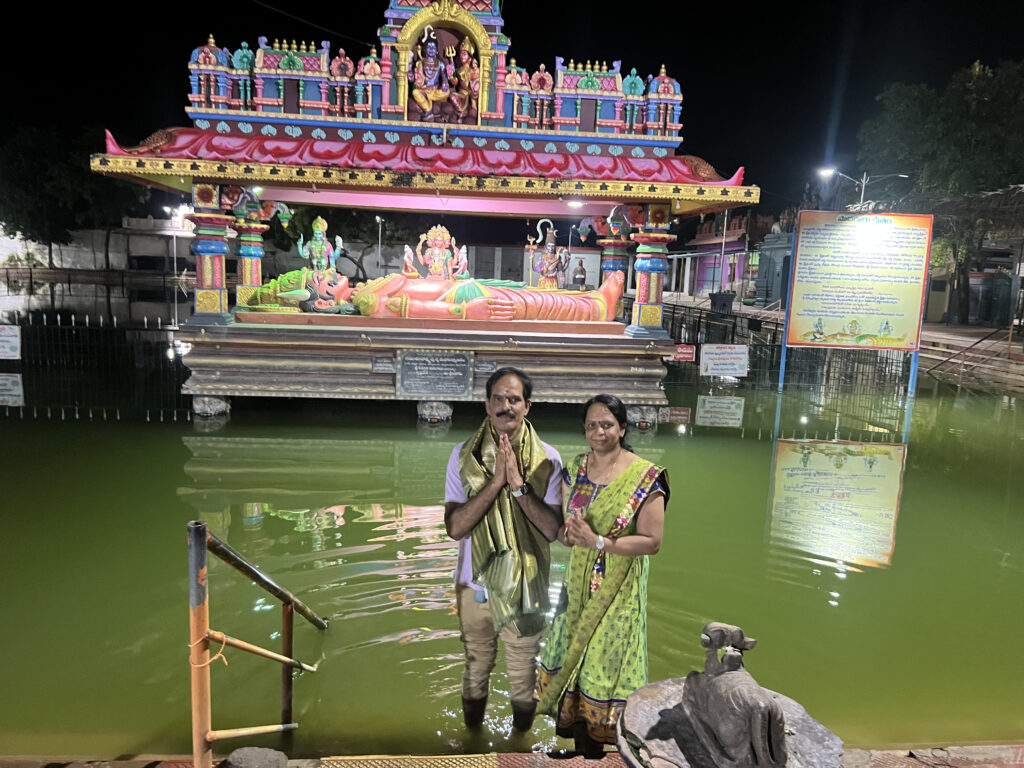
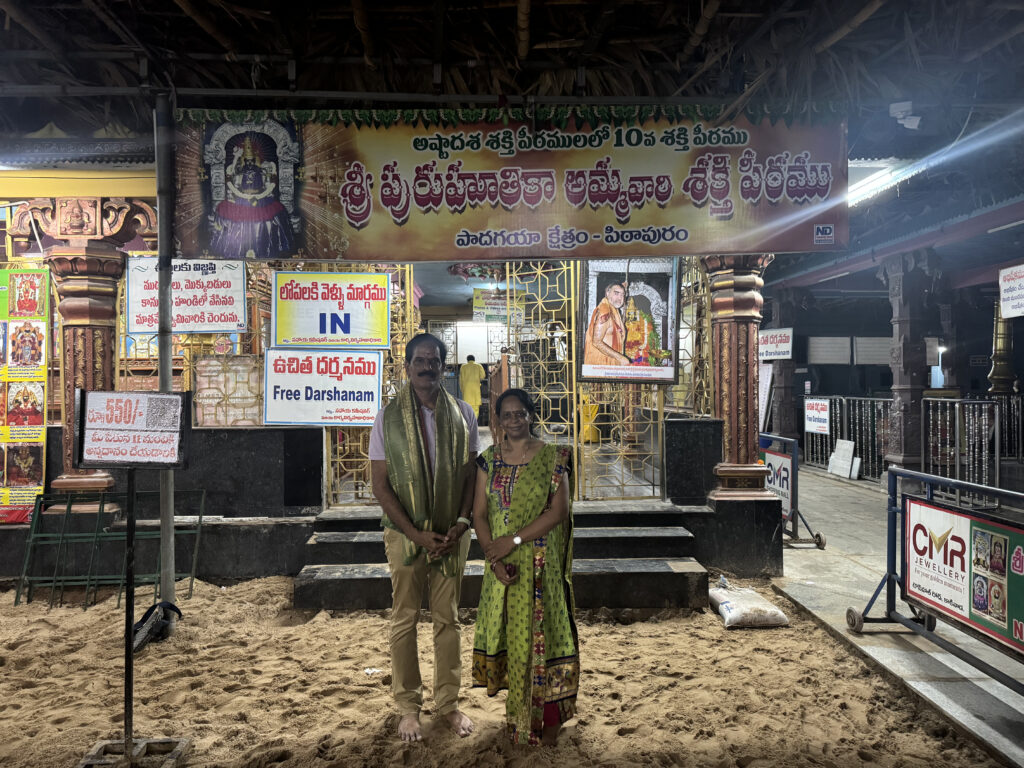
Puruhithija Devi – Pithapuram, Andhra Pradesh
Sri Puruhutika Devi temple is an important Ashta Dasha Shakthi Peetha. Devi Sati is worshipped as Puruhutika and Lord Shiva as Kukkuteswara Swamy. It is believed that the Seat of Sati devi had fallen here when Lord Vishnu cut her corpse with the Sudarshana Chakra.
On entering the temple there is a pond which is called as Padagaya sarovaram (Pada Gaya Sarovar). Pilgrims take holy bath in this pond. Main temple of Kukkuteswara swamy is present towards the right side of the pond. Puruhutika Devi temple is present in the North-East corner of the Kukkuteswara swamy temple. It is constructed facing south. Puruhutika Devi temple is small in size but looks very nice with the carvings of Ashtadasa Shakti peethas on its walls. It is believed that the original statue of Devi is buried under the temple in the same place. This complex has a Sarovar after taking bath people offer prayers to their ancestors, as this temple complex is called Pada Gaya. It has Gayasura’s Padas (Feet) and Vishnu Padas (Feet). Gayasura’s body was cut in three portions and out of that Head has fallen at Siro Gaya (Called Gaya in Bihar) Below chest (Nabhi) portion has fallen in Nabhi Gaya (Jajpur in Orissa)and the Legs (Padas) have fallen here hence called Pada Gaya.
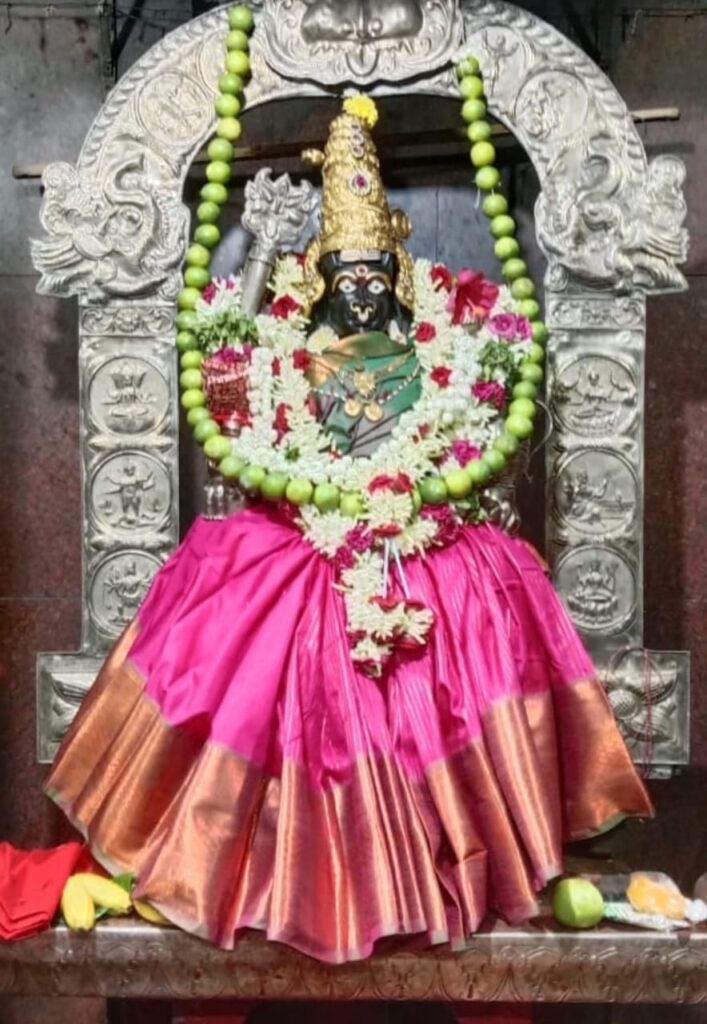
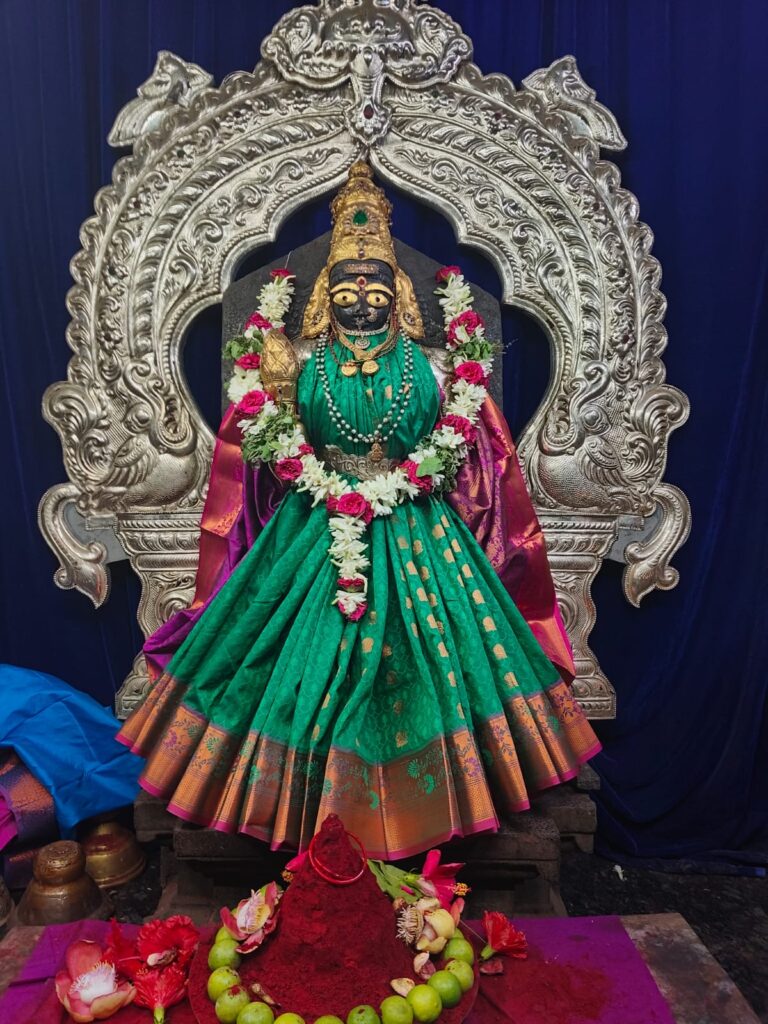

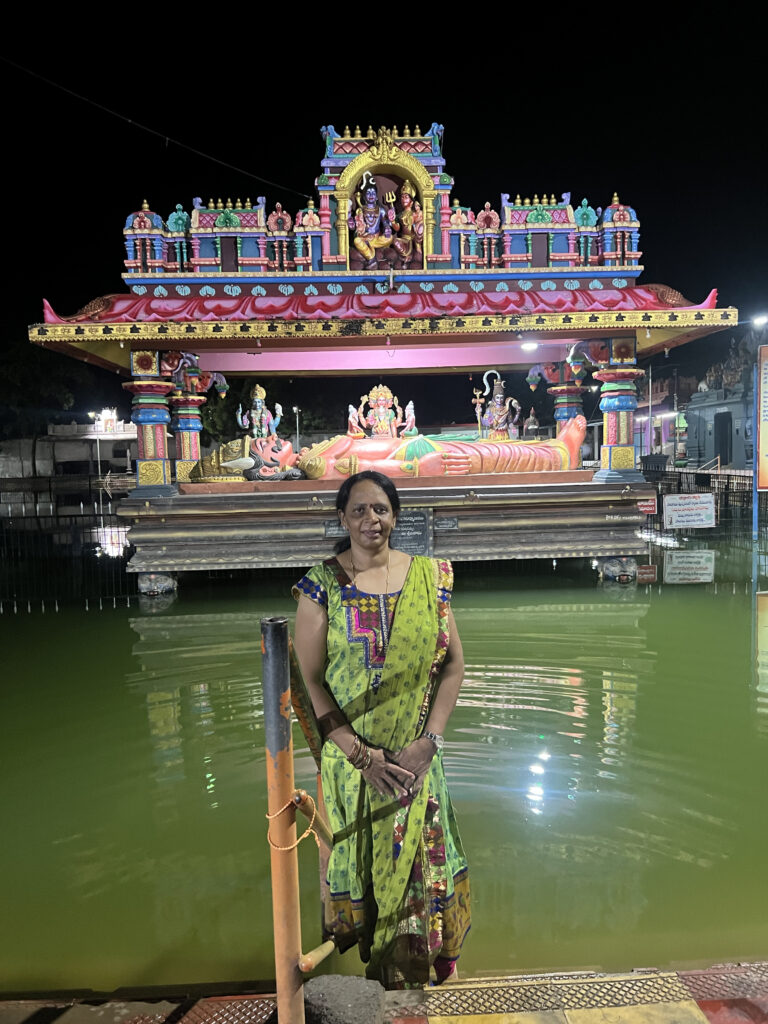

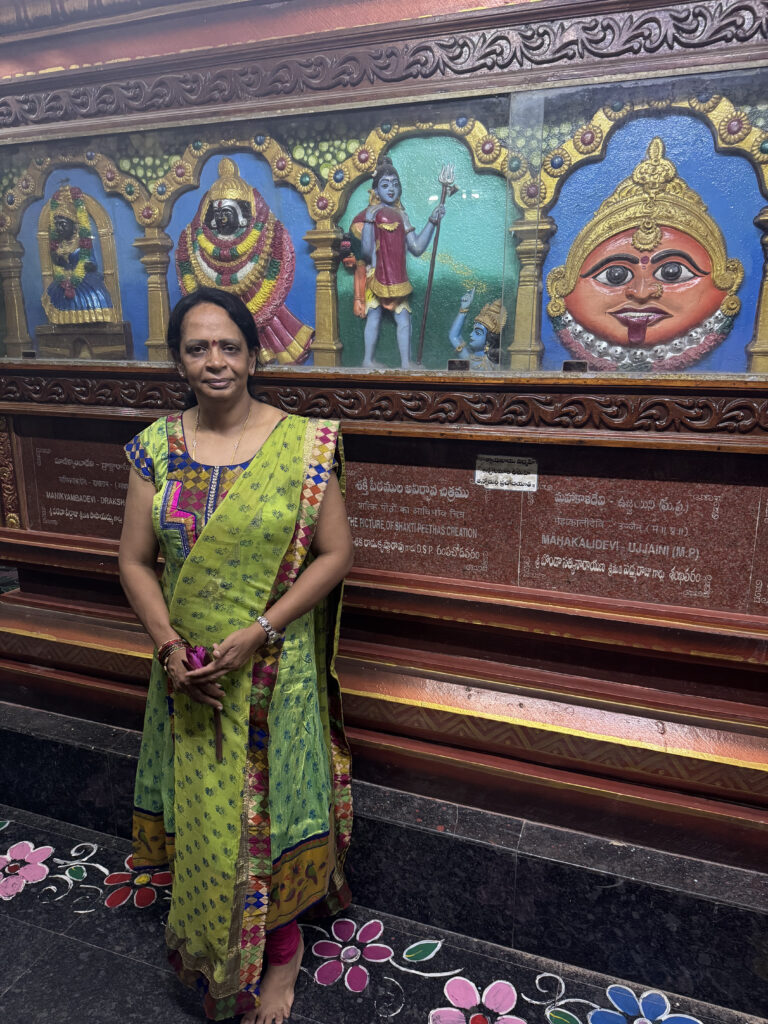

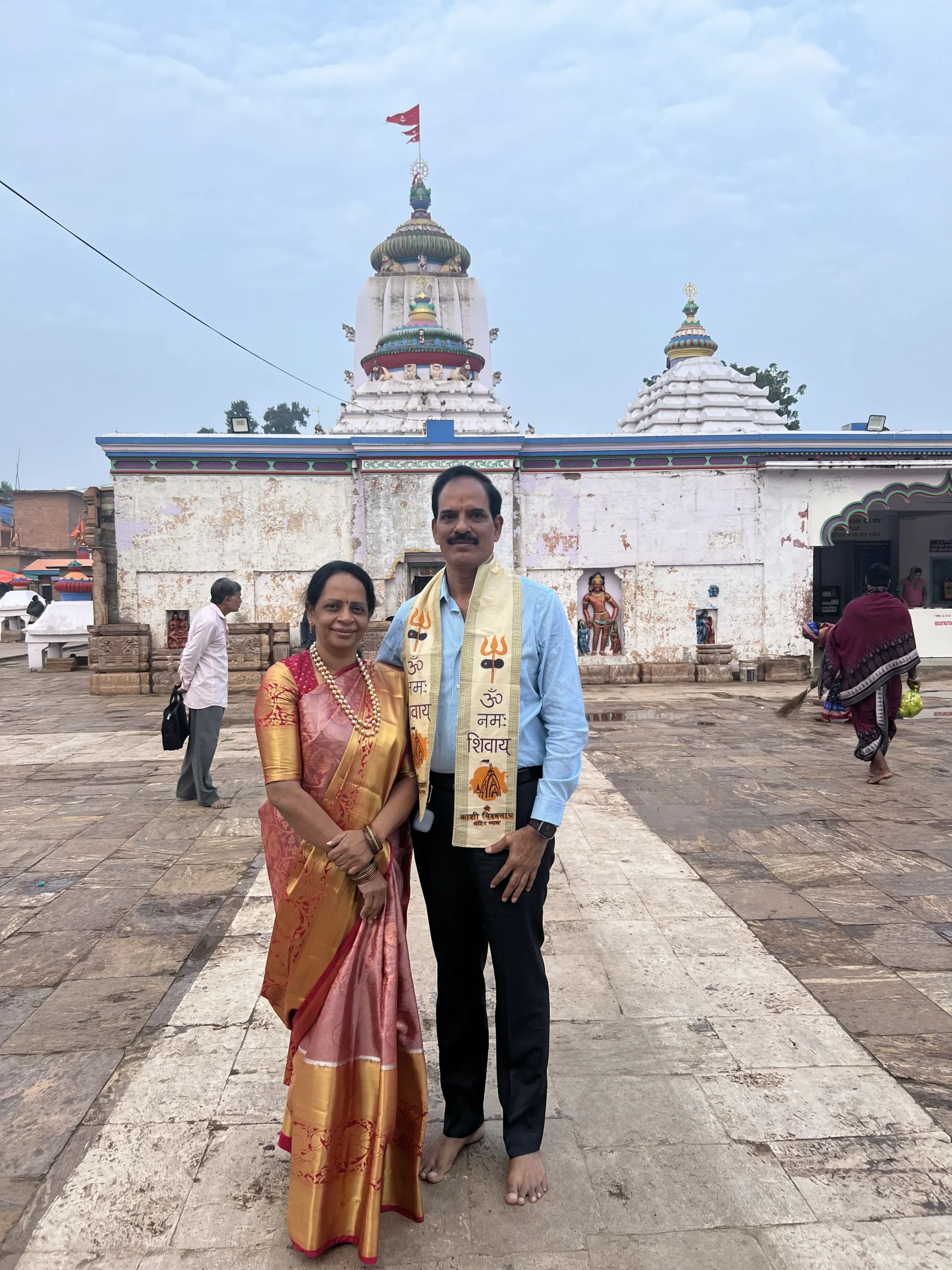
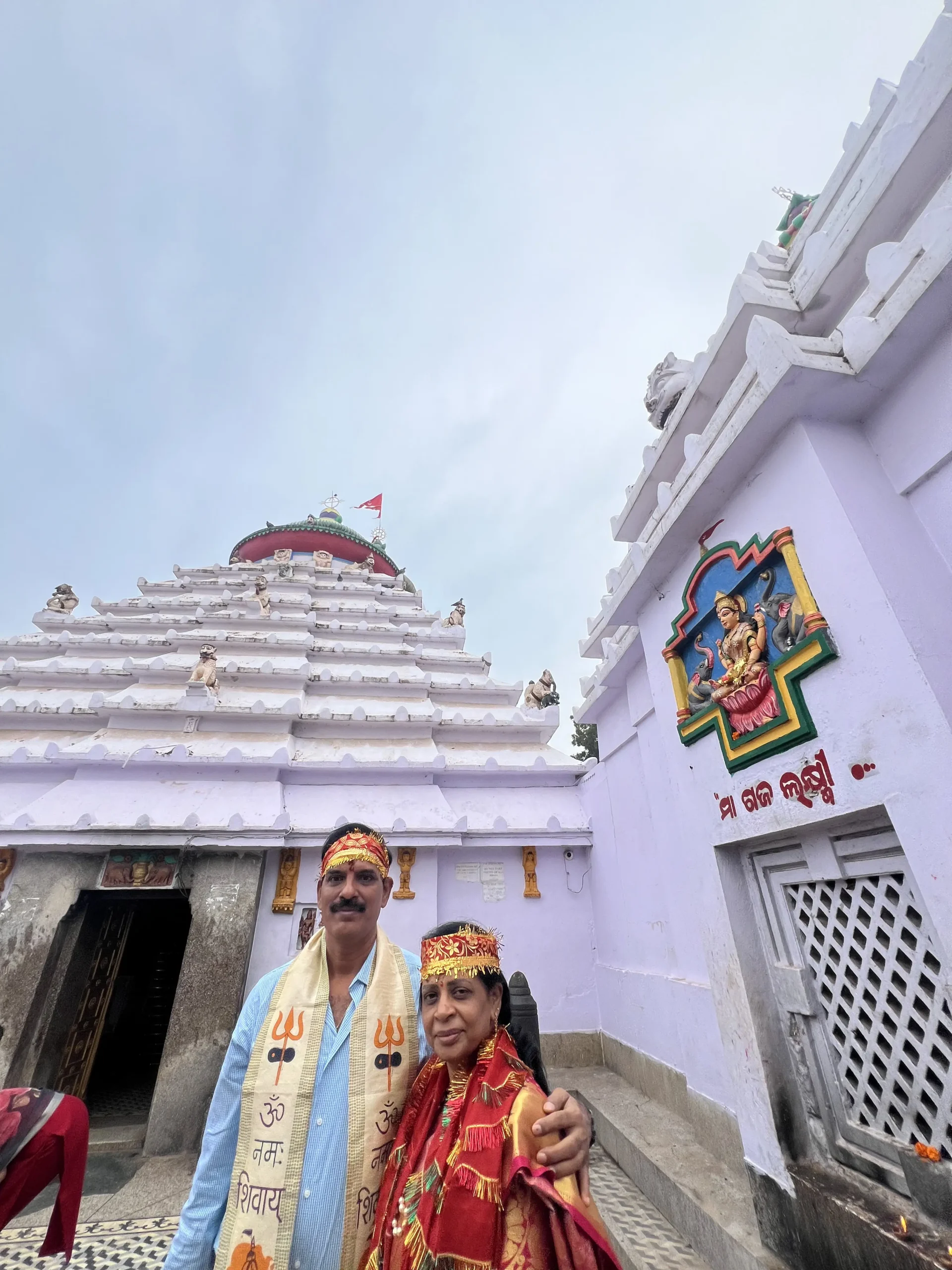
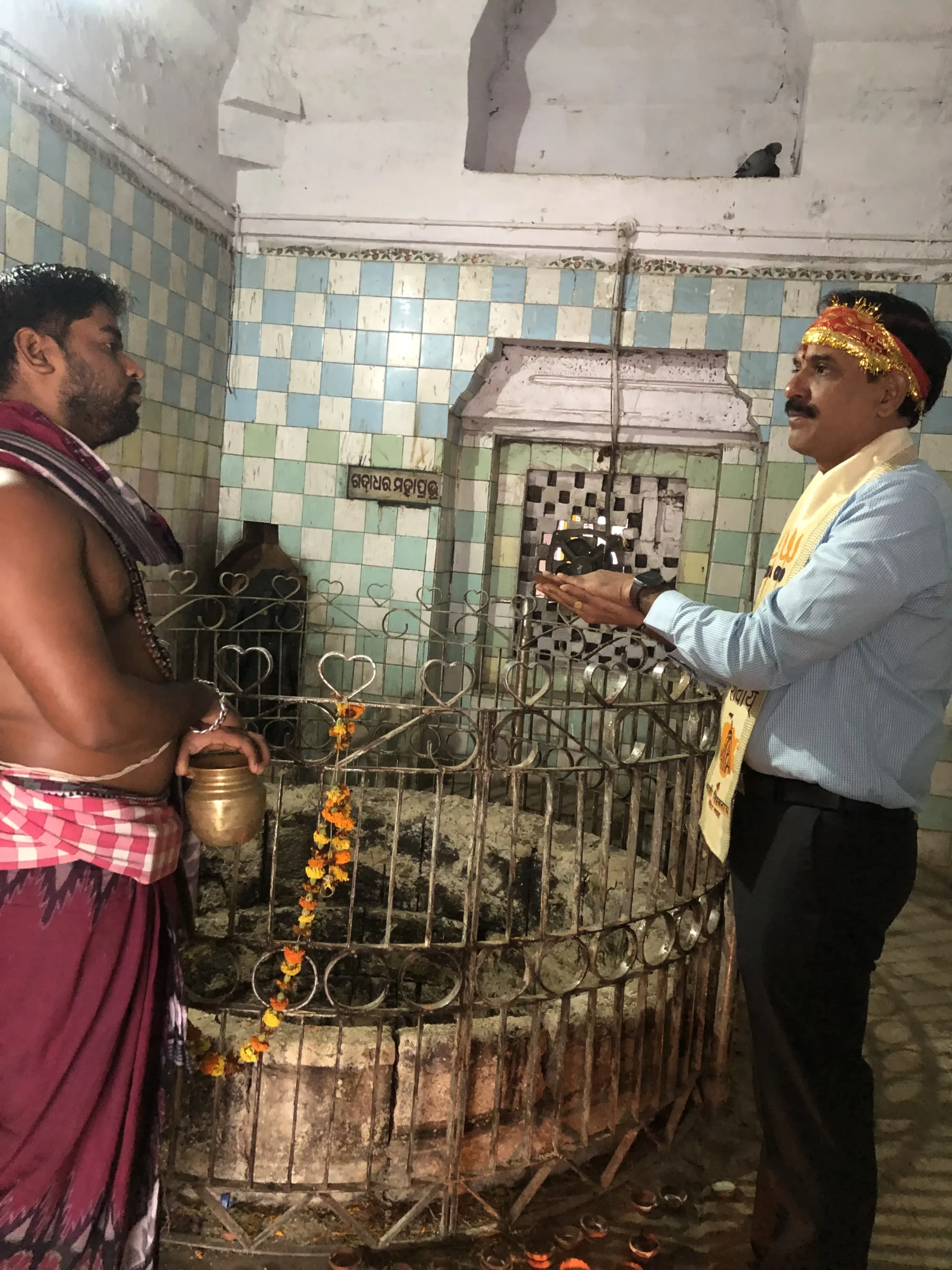
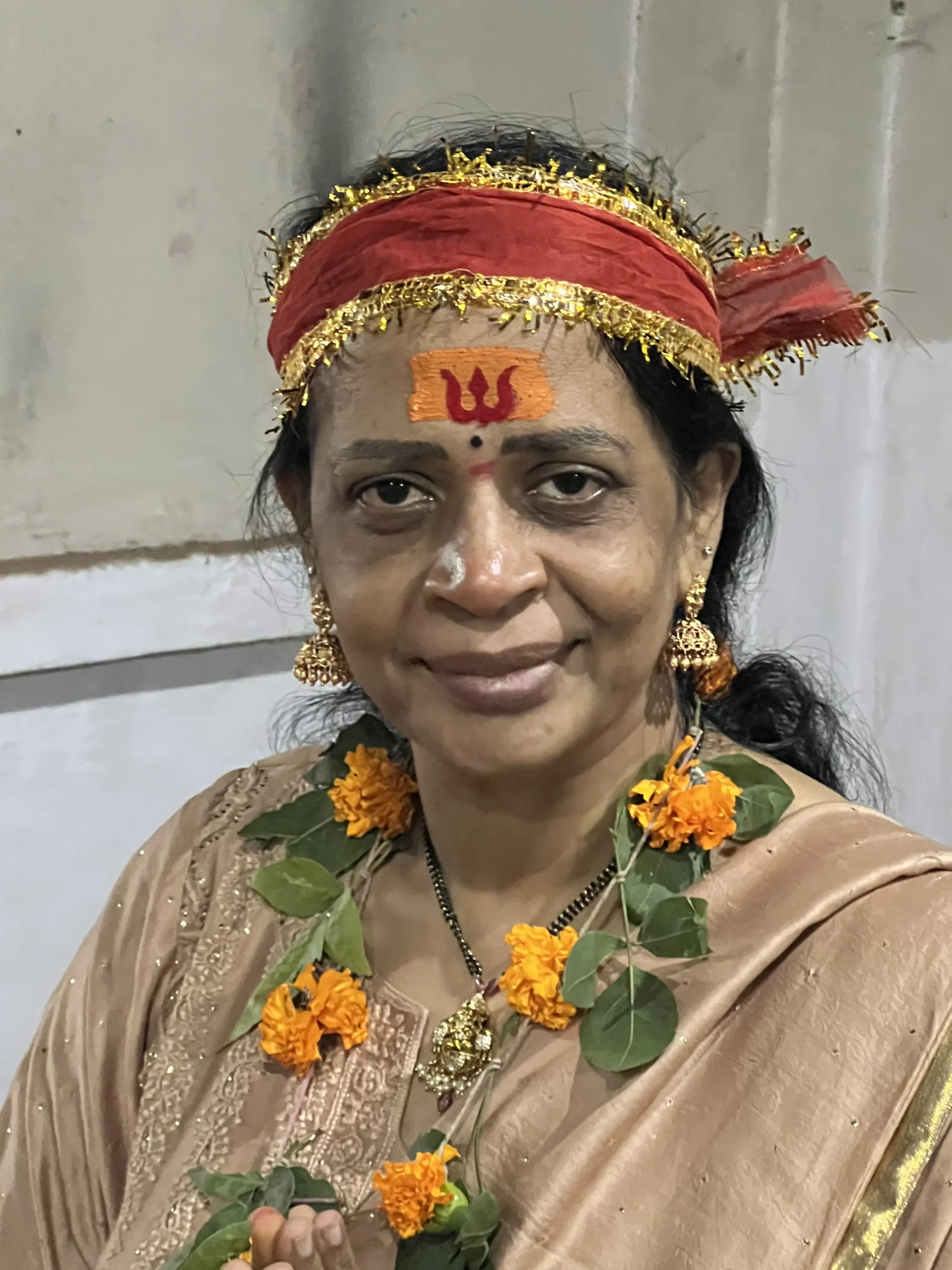
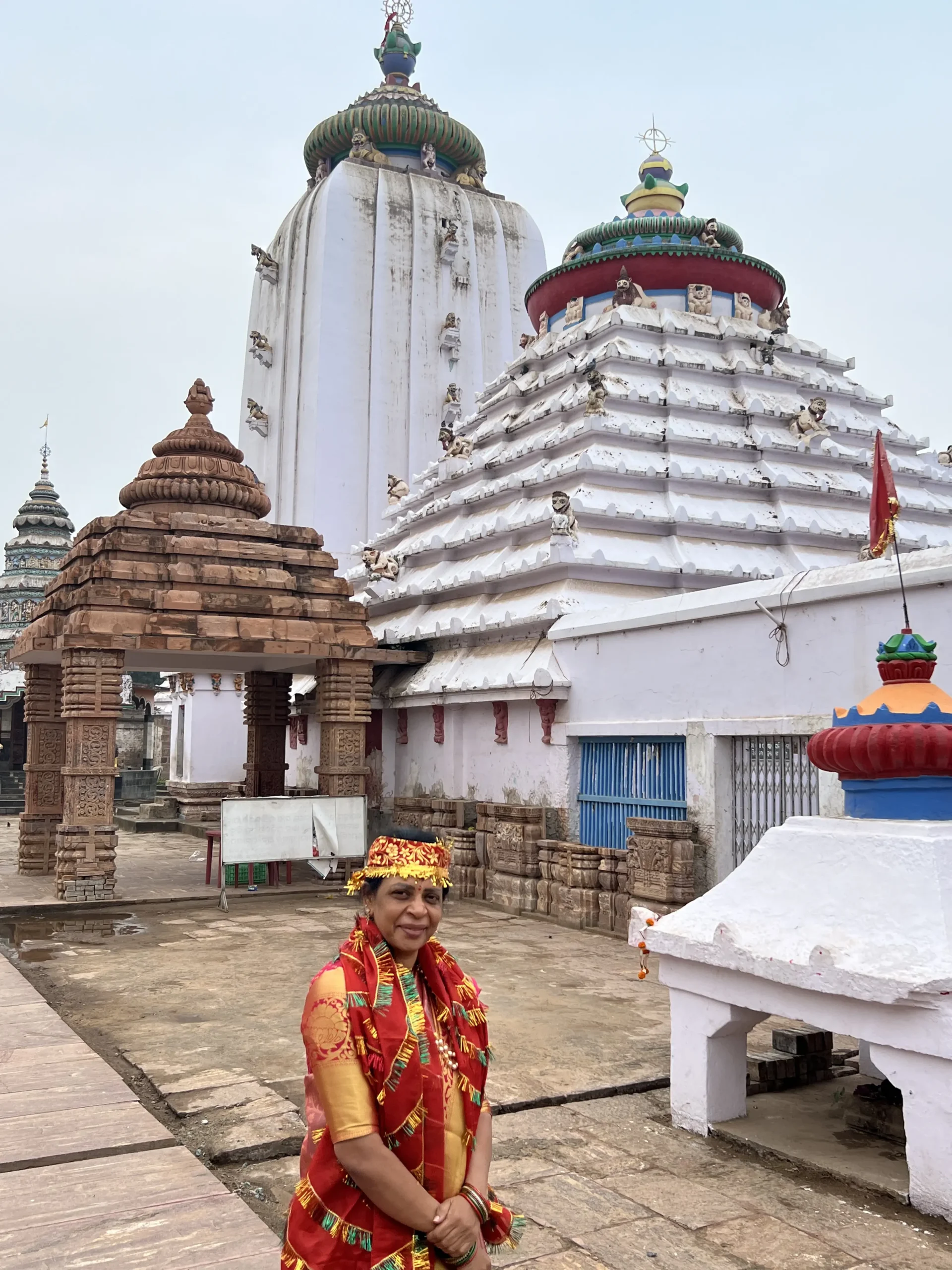
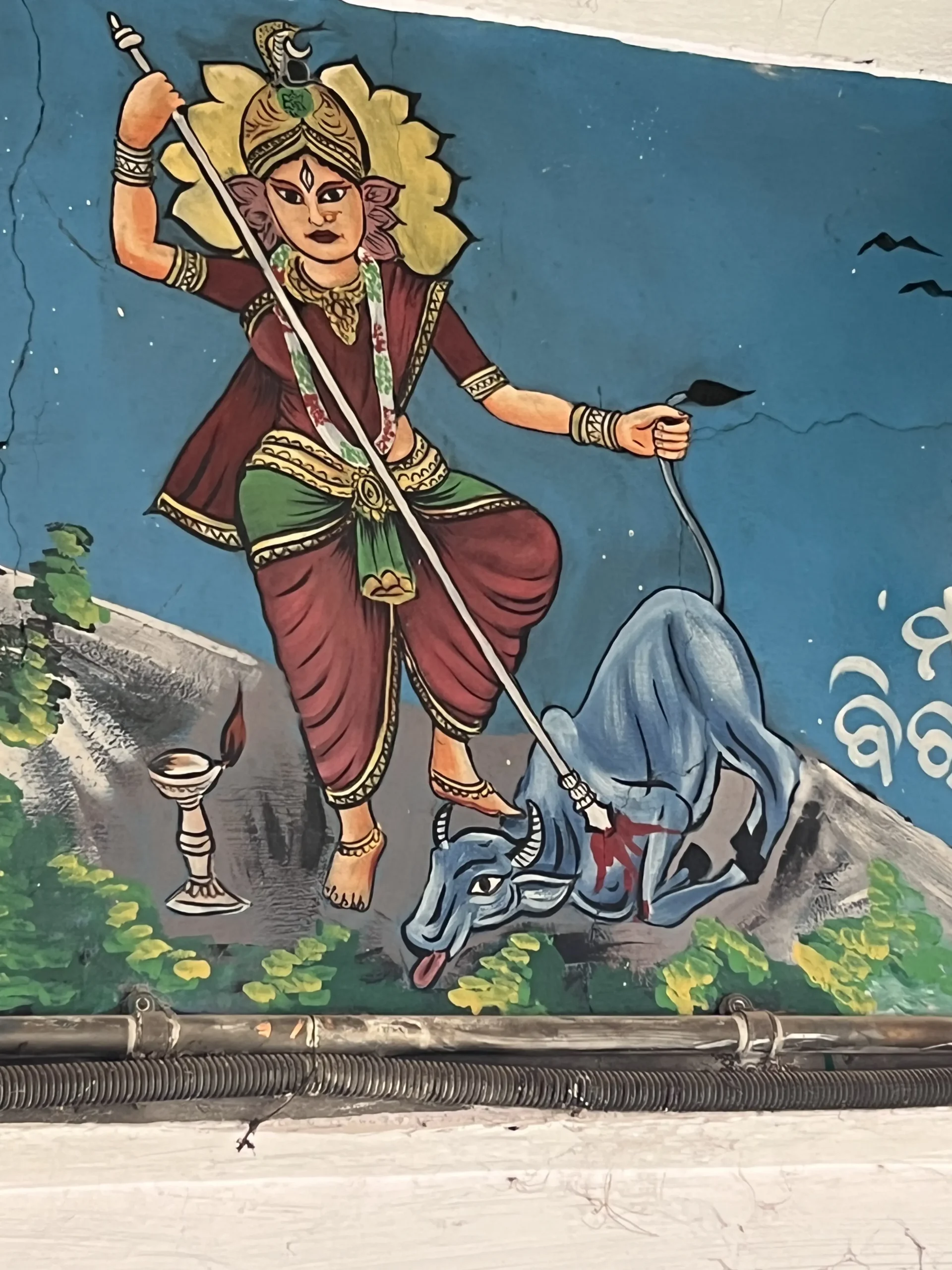
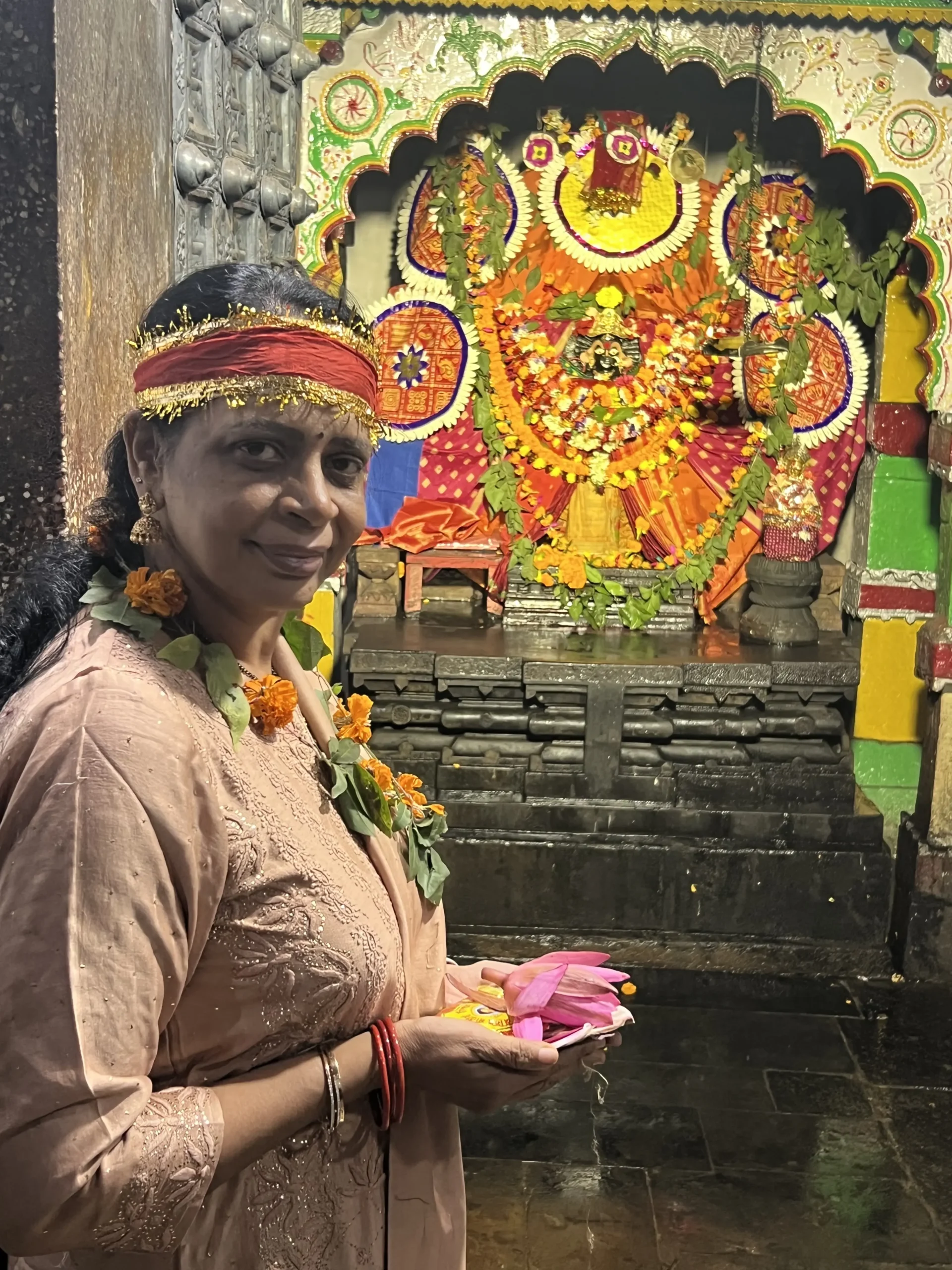
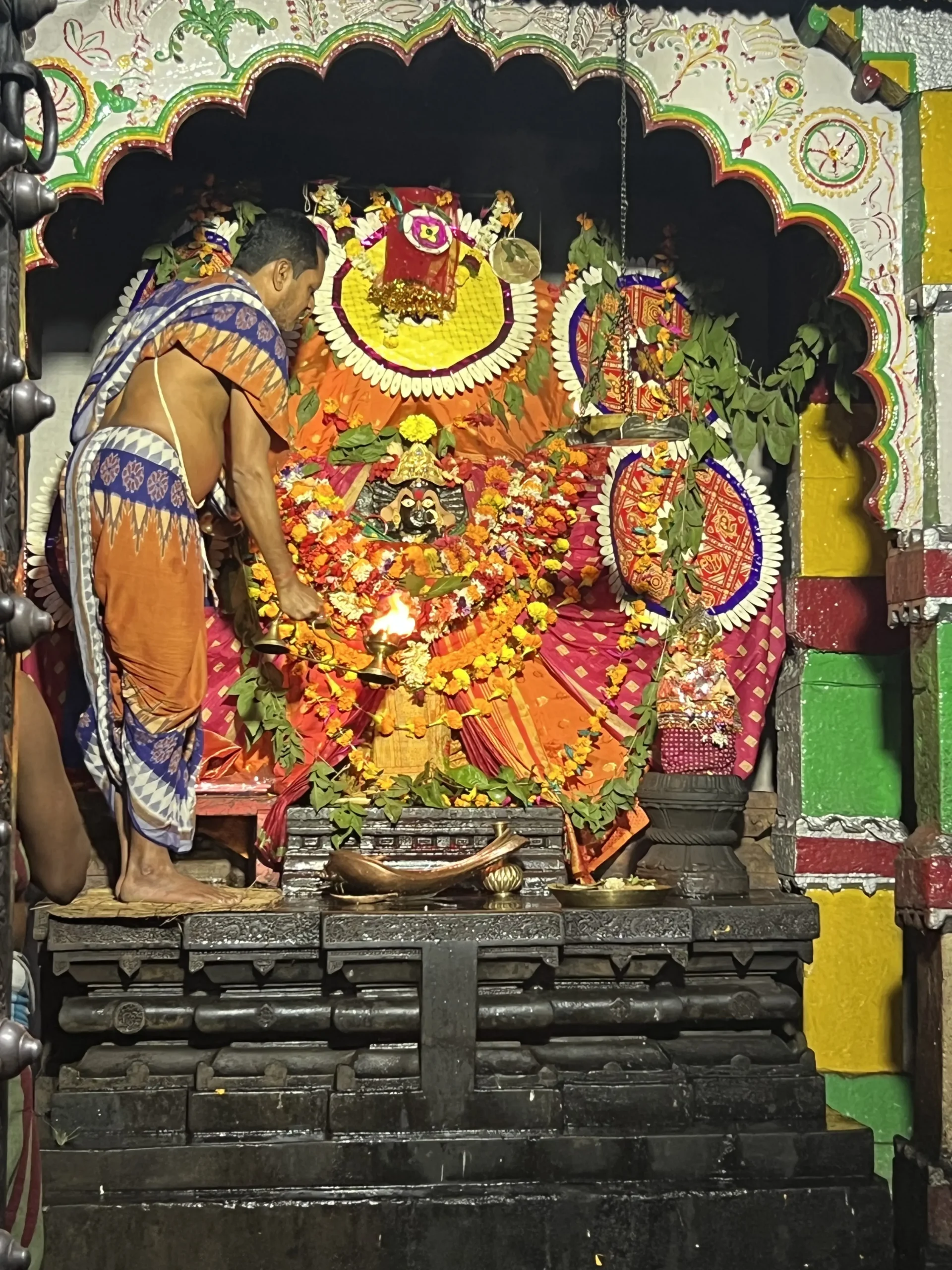
Birija Devi – Cuttack, Orrisa
Goddess Birija Devi temple in one of the ashtadasha shaktipeetha temples. The 11th shakti peetha was consecrated as Dakshyanis navel part fallen here. The presiding deity of Jaipur Asta dasha shakti peetha is Goddess Girija Devi. Girija Devi is worshipped by various names such as Goddess Birija Devi, and Goddess Virija Devi.
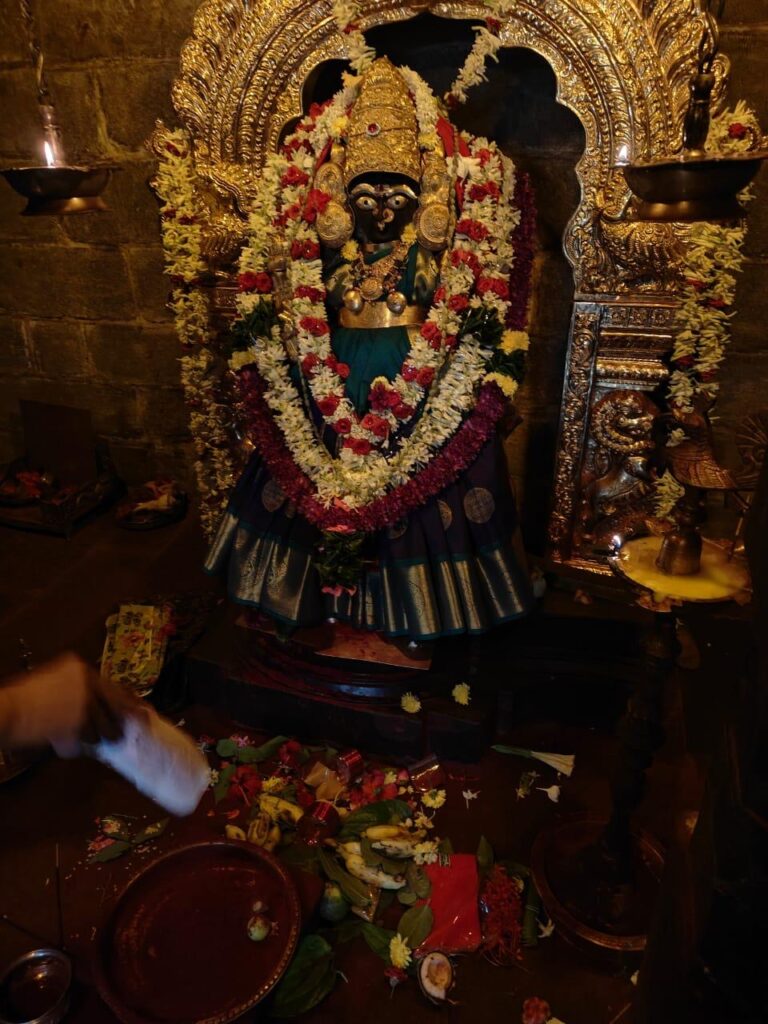
Manikyamba Devi – Draksharamam, Andhra Pradesh
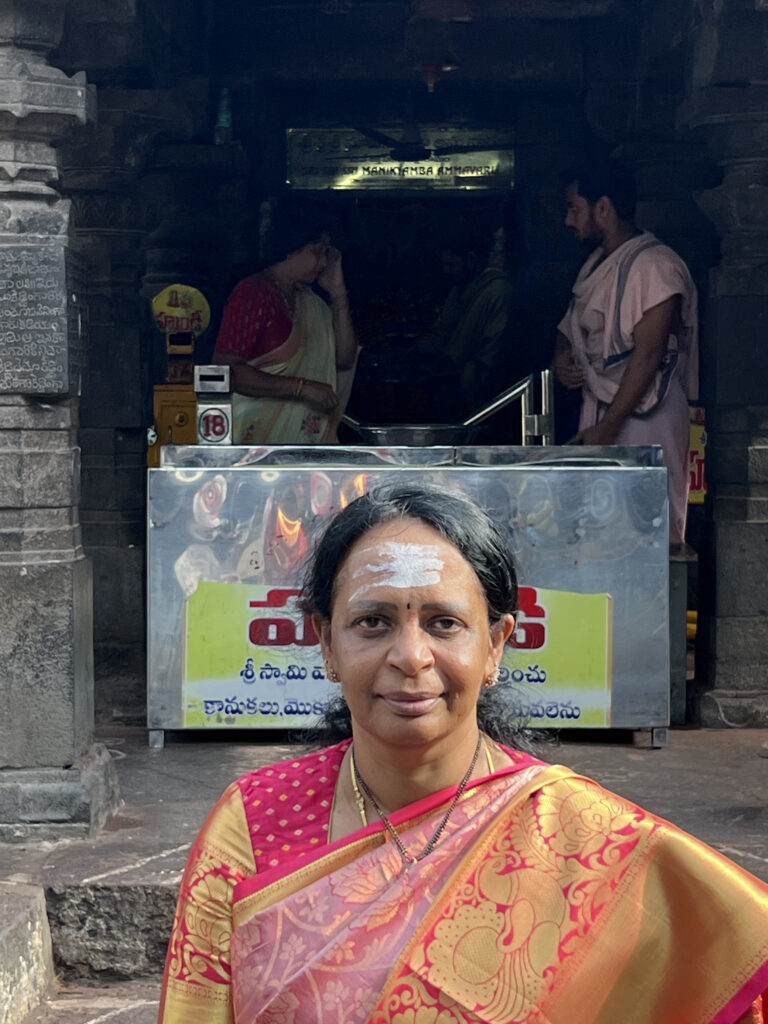
Manikyamba devi Shakti Peetha temple Draksharamam, Andhra Pradesh. Lord Bhimeswara Swamy temple is one of the Pancha Rama Kshetras and also one of the Trilinga kshetras. Manikyamba Devi is His consort. In the temple of Lord Bhimeswara Swamy, the Manikyamaba Devi temple is in the inner circle. It is one of the 18 major Shakti Peethas and Devis left cheek fell here.

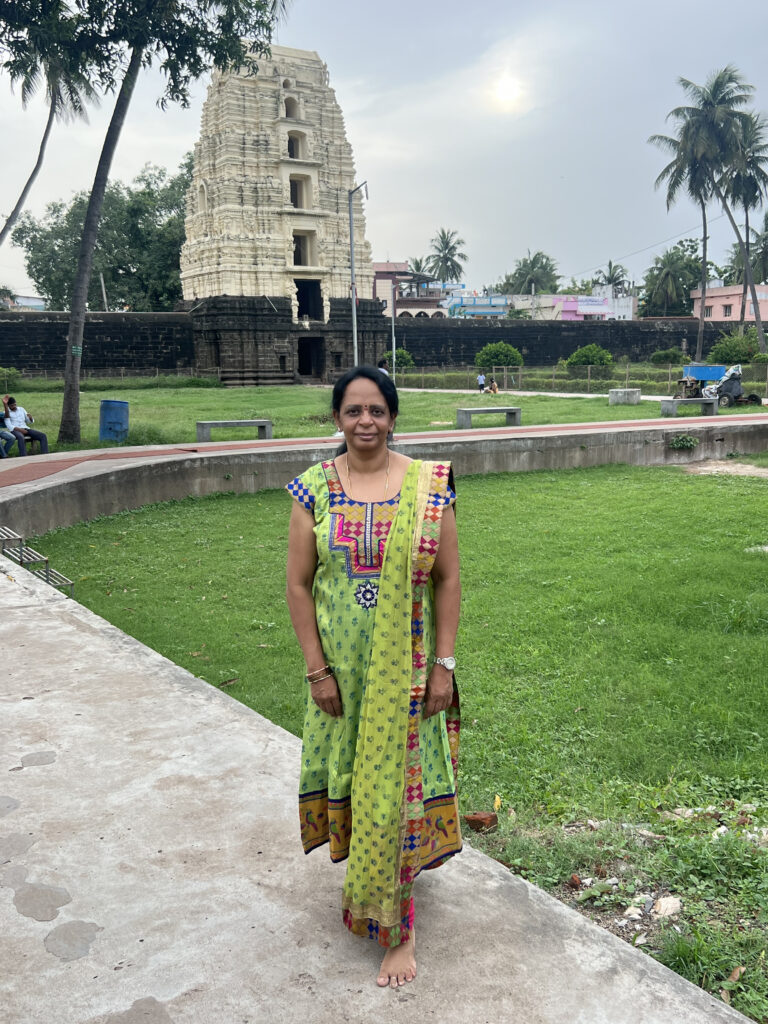



Kamarupa Devi – Guwahati, Assam
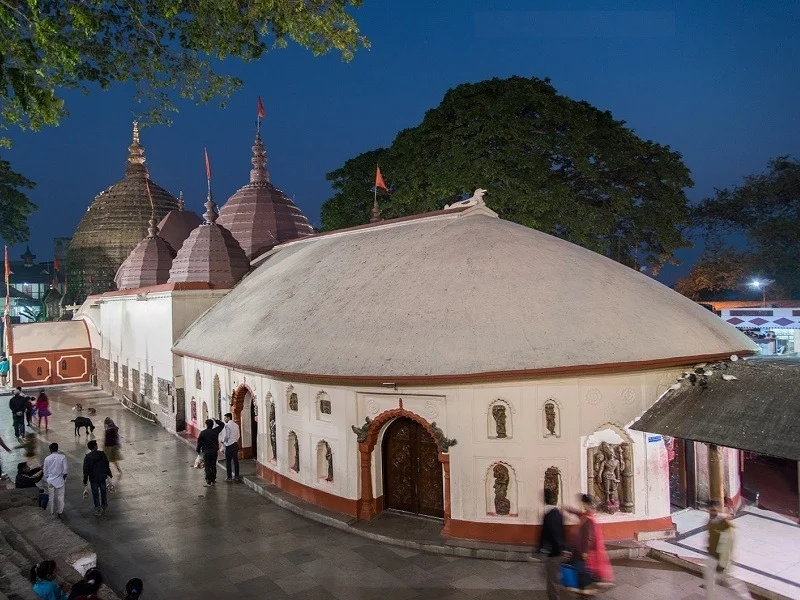
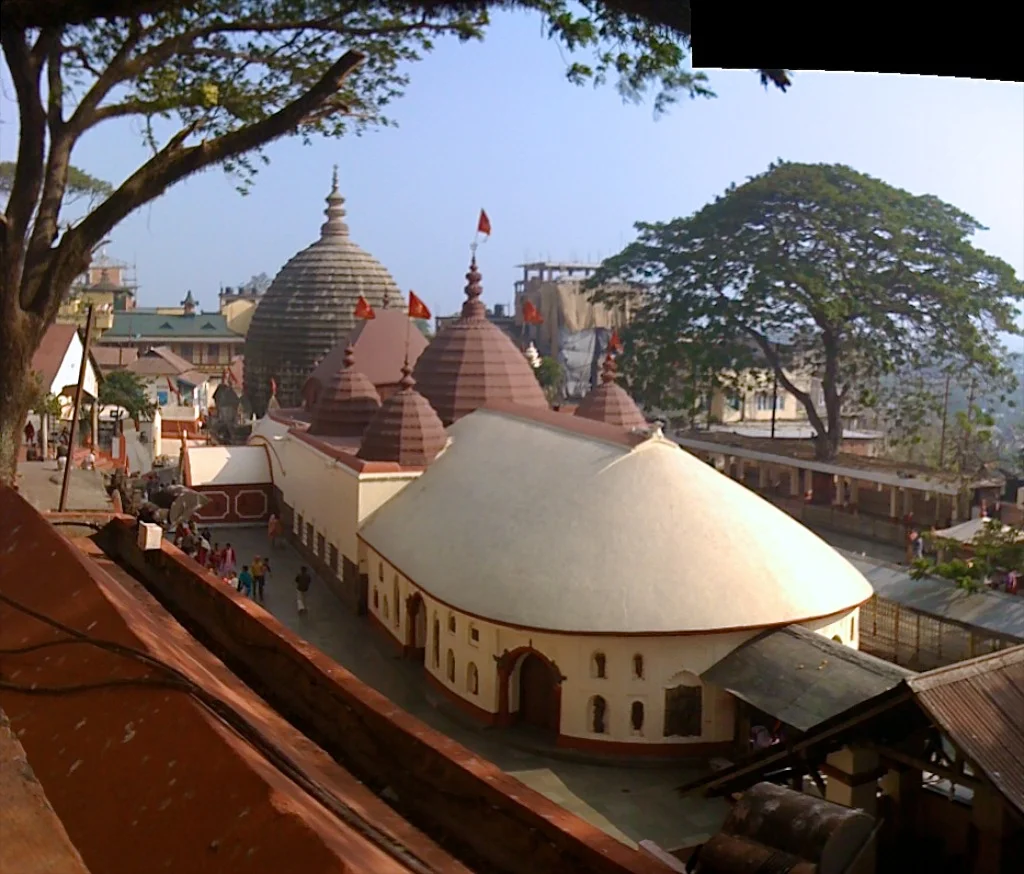
One of the most famous religious sites in Guwahati is the Kamakhya Temple, which is dedicated to Goddess Kamakhya. It is said to be one of the oldest Shakti Pithas and is located on the western part of the city. The temple encompasses ten Mahavidyas and carries high importance. The shrine has undergone a lot of renovations and is maintained nicely by the authorities. It has four Garbagrihas and three mandapas, and its walls are adorned with several sculptures. There is no idol of the Goddess inside the temple rather an image of the yoni of the deity is being worshipped here. The pilgrims who visit the temple have to queue up at the entrance gate and then they enter the dark sanctum to offer their prayers to the Goddess. Kamakhya Devi is well known as the bleeding Goddess as it is said that womb of the deity had been installed in this temple. An amazing view of the Nilachal hills and the surrounding spiritual atmosphere of the temple imparts peace to one’s soul and mind. The temple appears very beautiful during the evening aarti.


Prayaga Madhavewswari – Prayaga, Uttar Pradesh
This is the temple whereas per the legend Sati’s fingers had fallen. It is famously called as Mata Ji Ka temple (or Lalita ) by the locals. Prayaga means Prakrishta Yaga, which means it is the place where Lord Brahma did a very great Yaga. Prayaga is considered as one of the Sapta mokshapuras. This place is also called Theertharaj, which means king of all theerthas.
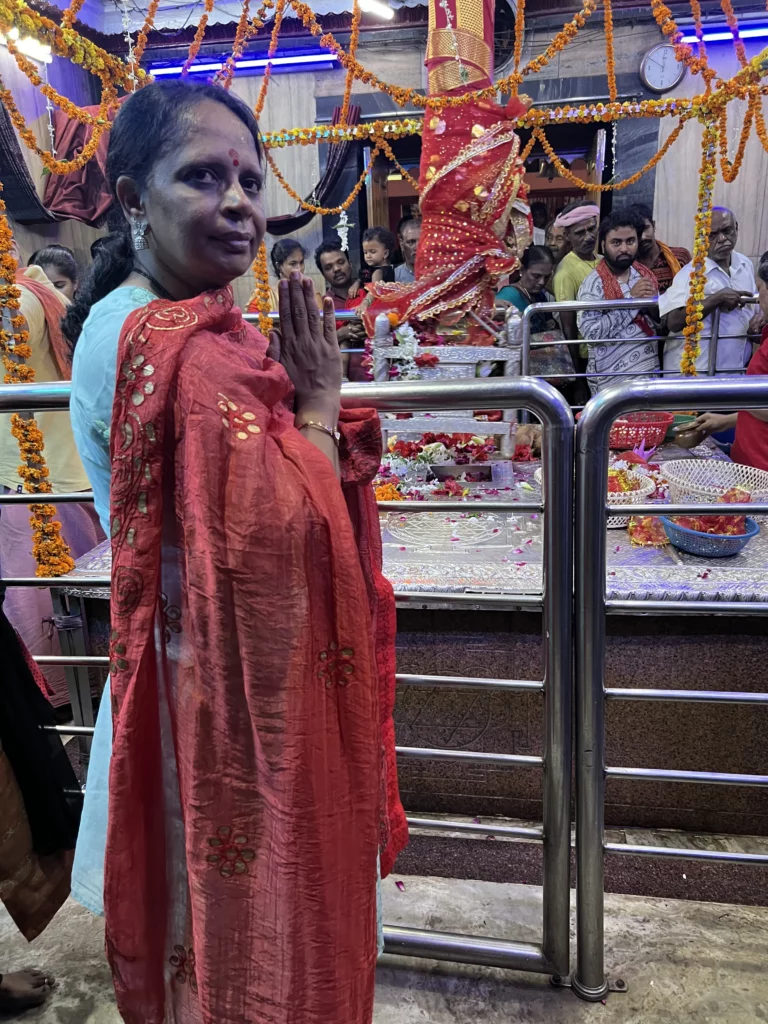
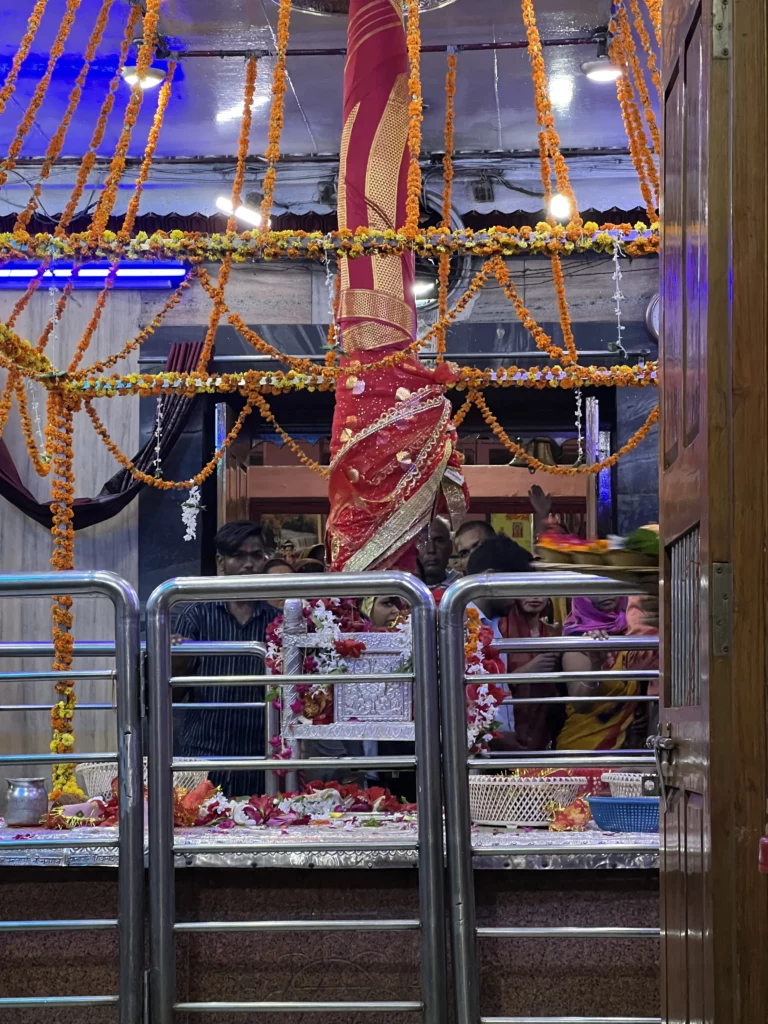
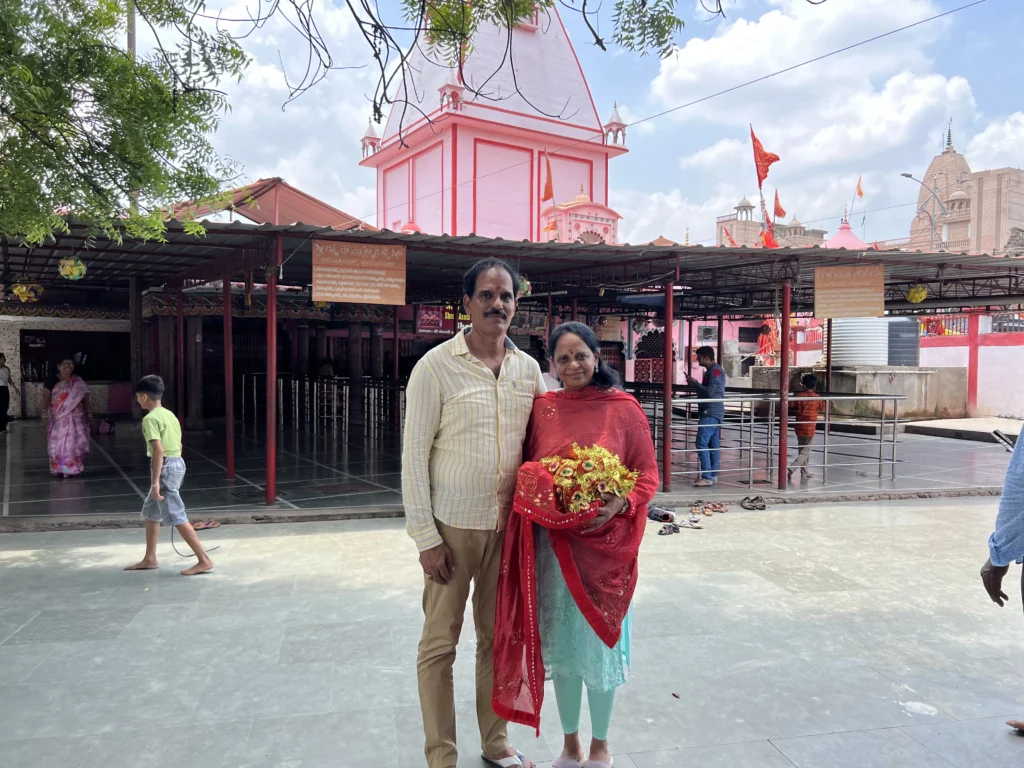
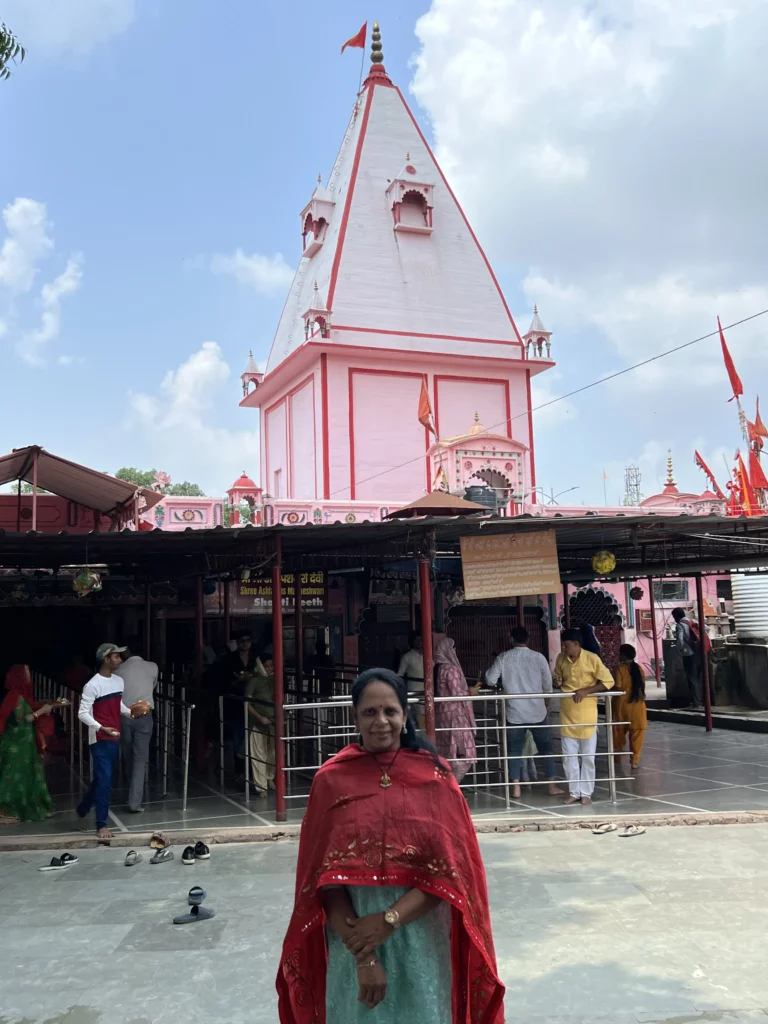
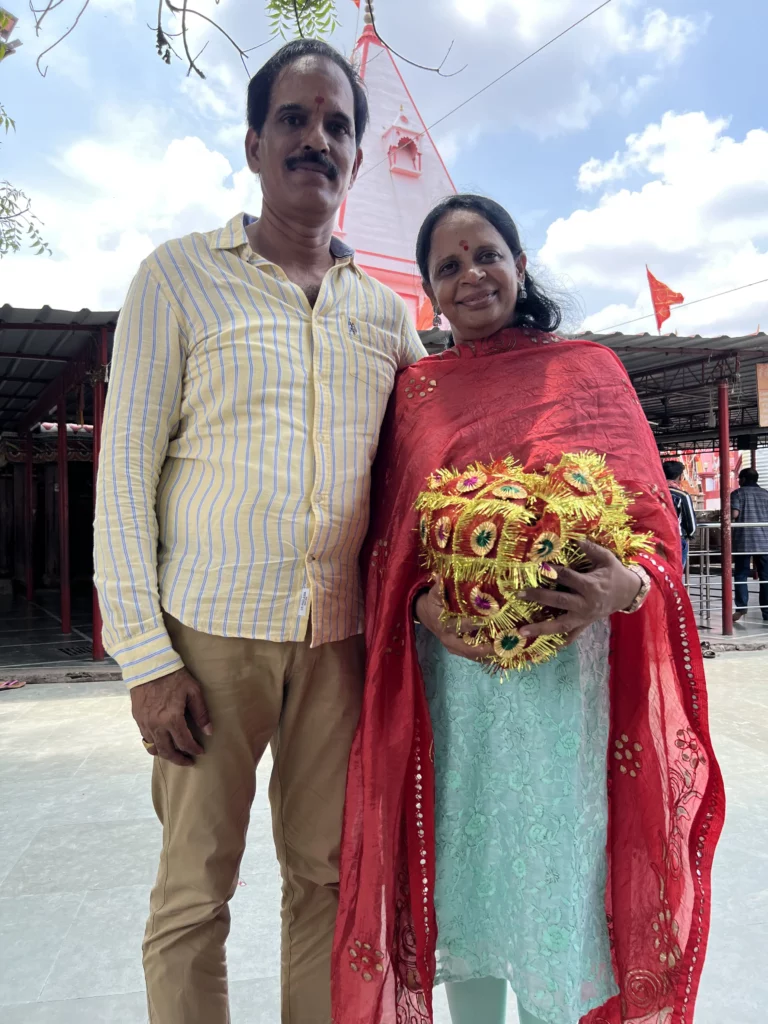
Jwalamhuki Devi – Jwala, Himachal Pradesh
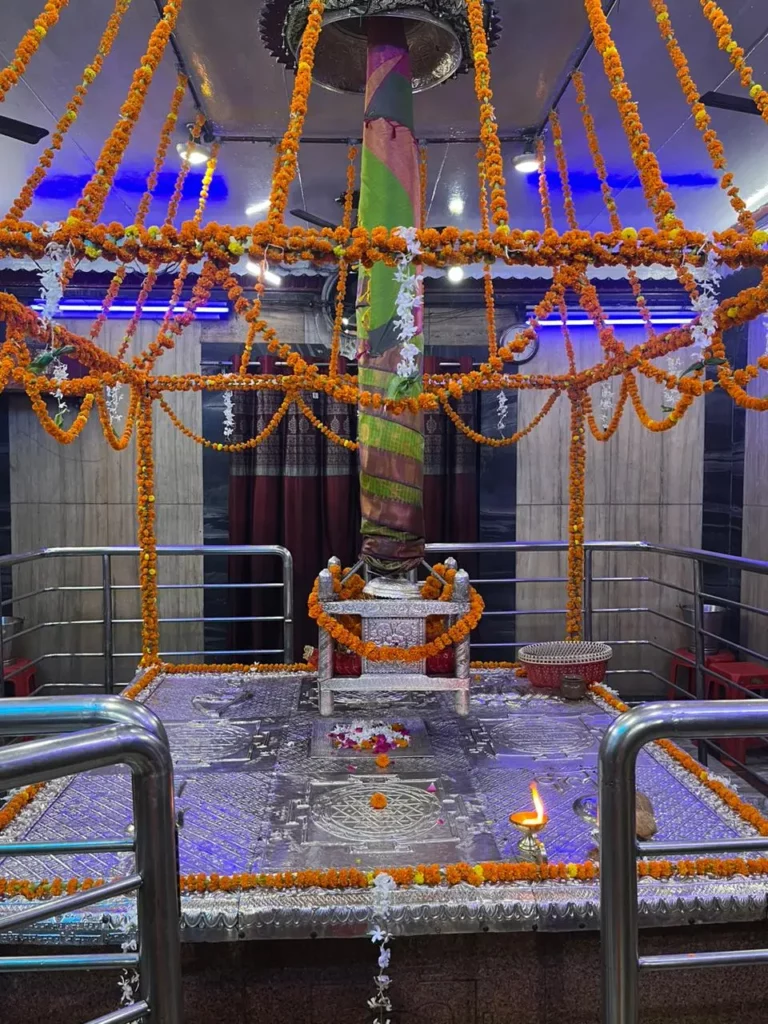
Jawala or Jwala devi temple is one of the 51 Shaktipeeths of India and Jawala Temple is one of the highly venerated Shakti Temples in India. It is situated in the lap of Shivalik range of Kangra valley called “Kalidhar”. This is believed to be the first ever temple built by the Pandavas. Jwala is a Devi Temple Dedicated to the “GODDESS OF LIGHT”, located in Jawala Mukhi, district Kangra of Himachal Pradesh.
Sati’s tongue is believed to have fallen at the very place where Jwala devi Temple is now situated. The Tongue of sati is represented by Holy Flames or Jwala that is perpetually burning. Jwala devi temple as a center of faith is unparallel and unique. There is no deity or idol that is worshiped. It has the series of natural flames or Jyotis since times immemorial believed to be the symbol of Goddess. Jawala is a great heritage centre for not only the people of Jawala Mukhi, Kangra or Himachal Pradesh but of the whole world. During March to April and September to October every year colourful fairs are held during the Navaratra celebration.


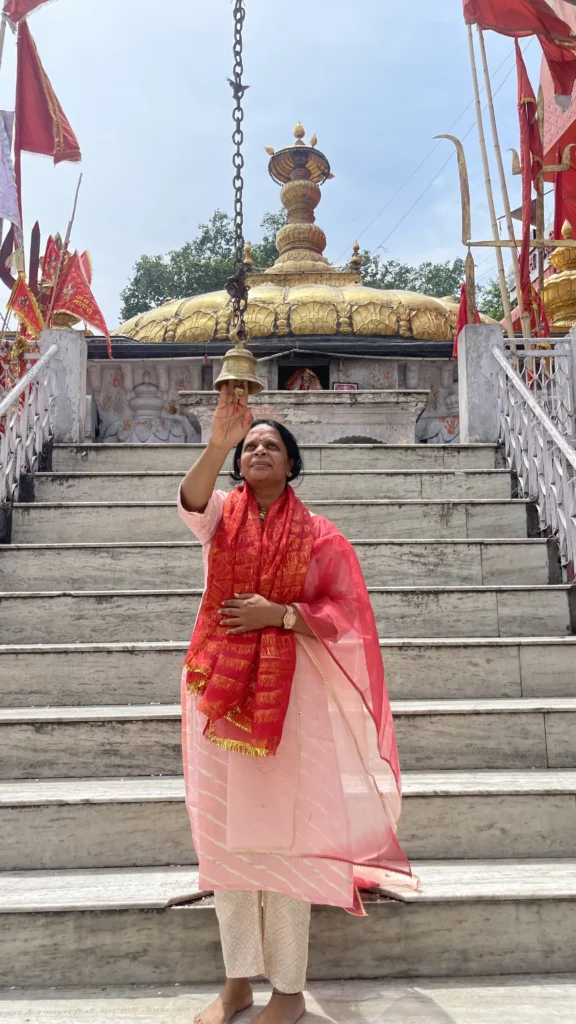
Sarvamangala Devi – Gaya,Bihar
The Mangla Gauri temple in Gaya, Bihar, India has been mentioned in Padma Purana, Vayu Purana and Agni Purana and in other scriptures and tantric works. The present temple dates back to 15th century. The shrine is dedicated to Shakti or the mother Goddess in the predominantly Vaishnavite pilgrimage center of Gaya. Mangalagauri is worshiped as the Goddess of benevolence. This temple constitutes an Upa-Shakti Pitha – where it is believed that a part of the body of Shakti fell – according to mythology. Here Shakti is worshiped in the form of a breast symbol, a symbol of nourishment. It is believed that whoever comes to maa durga with his wishes and prayers, returns successfully with all of prayers and wishes come true.The temple is facing east, and is built on top of the Mangalagauri hill. A flight of steps and a motorable road lead to the temple. The sanctum houses the symbol of the Goddess and it also has some finely carved ancient relief sculptures. A small hall or mandap stands in front of the temple. The courtyard also houses a fire pit for the home. There are also two minor shrines dedicated to Shiva and images of Mahishasura Mardini, Durga and Dakshina Kali.
Vishalakshi Devi – Varanasi, Uttar Pradesh
Vishalakshi Temple is dedicated to the Vishalakshi Maa (means wide eyed Devi) or the Goddess Parvati, the consort of the Lord Shiva. Vishalakshi Temple is also known as the Vishalakshi Gauri Temple. It is a most famous Hindu temple located at the Meer Ghat on the bank of the holy River Gange in the Varanasi, Uttar Pradesh, India. The Vishalakshi Temple is considered as a Shakti Pitha, the most holy temples devoted to the Hindu Divine Mother, Adi Shakti. It is considered that the earrings or eyes of the Mata Sati have fallen in the Varanasi at this sacred spot. Kajali Tij, the most important Hindu festival for the Indian women, is celebrated at the Vishalakshi Temple very happily.

Saraswathi Devi – Kashmir
Saraswati Temple is famously known as Sharada Peeth translates to “the seat of Sharada”, the Kashmiri name for the Hindu goddess Saraswati. The earliest available references to Sharada Peeth are found in the Nilamata Purana (6th-8th century CE). It is at this temple that Jagadguru Adi Sankaracharya received the right to sit on the Sarvanjnanapeetham (Throne of Wisdom). The first verse of ‘Prapanchsara Sangraham’ composed by Adi Shankaracharya is devoted to the praise of Sharada. The Sharada image at Shringeri Sharadamba temple in South India was once said to have been made of sandalwood, which is said to have been taken by Sankaracharya from here. At this place right hand of the goddess has fallen.

Hi, I'm Radhika Rao
Transformative & Technology Leader |
A Trailblazer | Embracing Life
Latest Posts


