
Assam and Meghalaya – Assamazing Adventures and Meghalicious Delights


Some journeys are about covering distances. Others are about discovering depth. This summer, I did not travel in search of a place. I was searching for something far less tangible—space, silence, and the kind of shift that only nature can initiate. In Nepal, I found all three. The mountains didn’t just rise above me—they pulled me inward. Through sacred temples, rugged expeditions, and skies that asked for surrender, I experienced a journey that softened, strengthened, and clarified me.
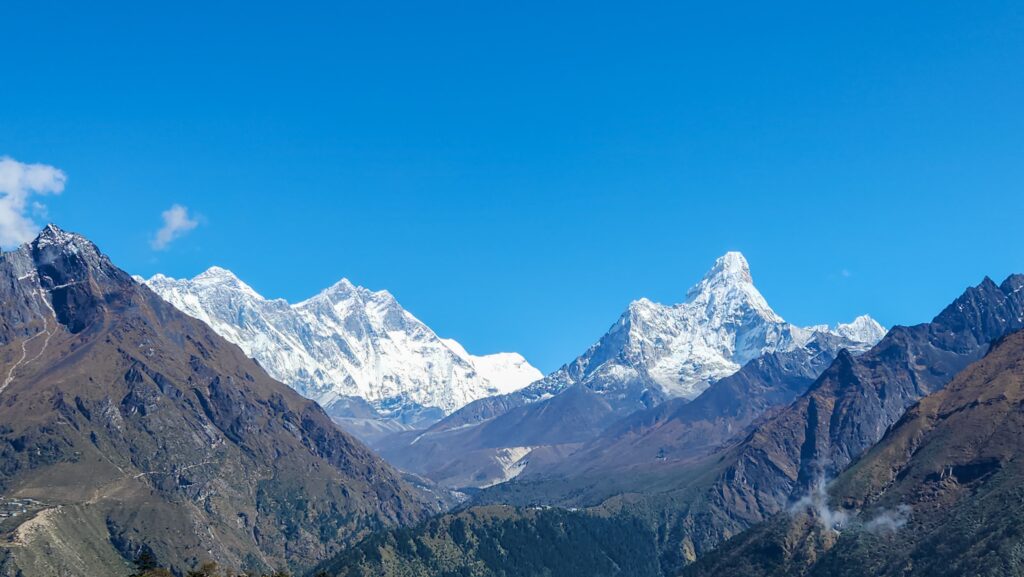
The Journey Begins: Mount Everest
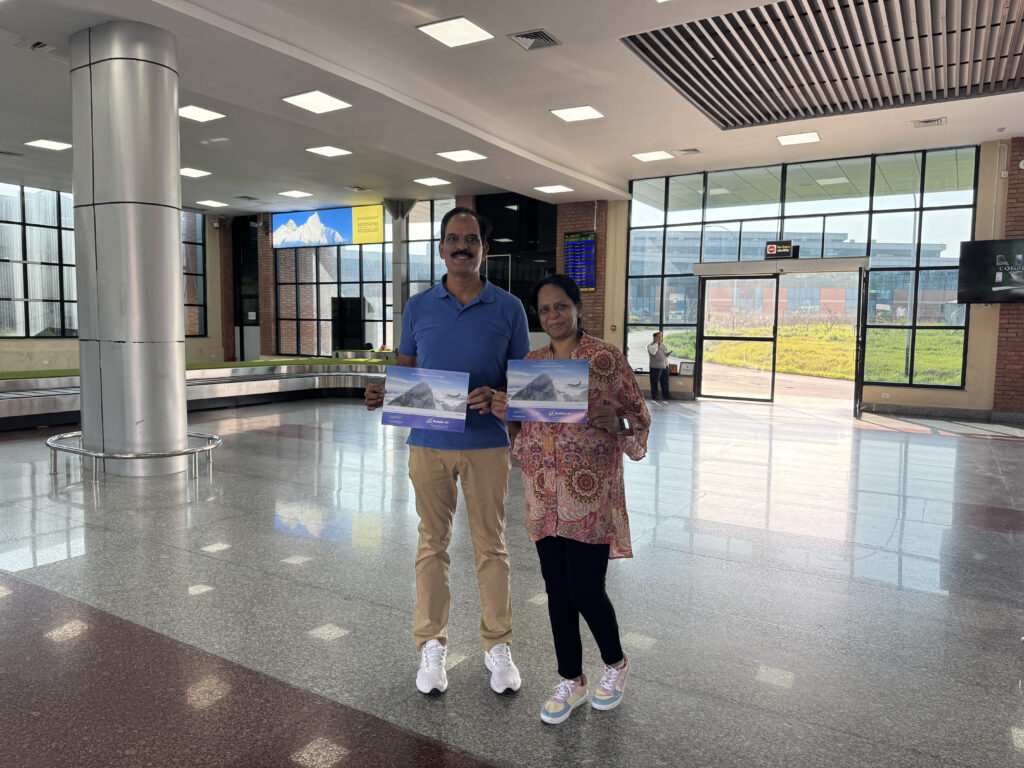
My journey began in the skies above Nepal, during a morning flight that offered my first glimpse of Mount Everest. Its outline emerged from the clouds like a quiet guardian, towering and still. That brief moment in the air marked the beginning of a deeper exploration—not only of the Himalayas, but of myself. As I landed, I knew I had arrived in a place where the geography itself invited presence, pause, and transformation.


Temples: Sacred Spaces and Inner Stillness
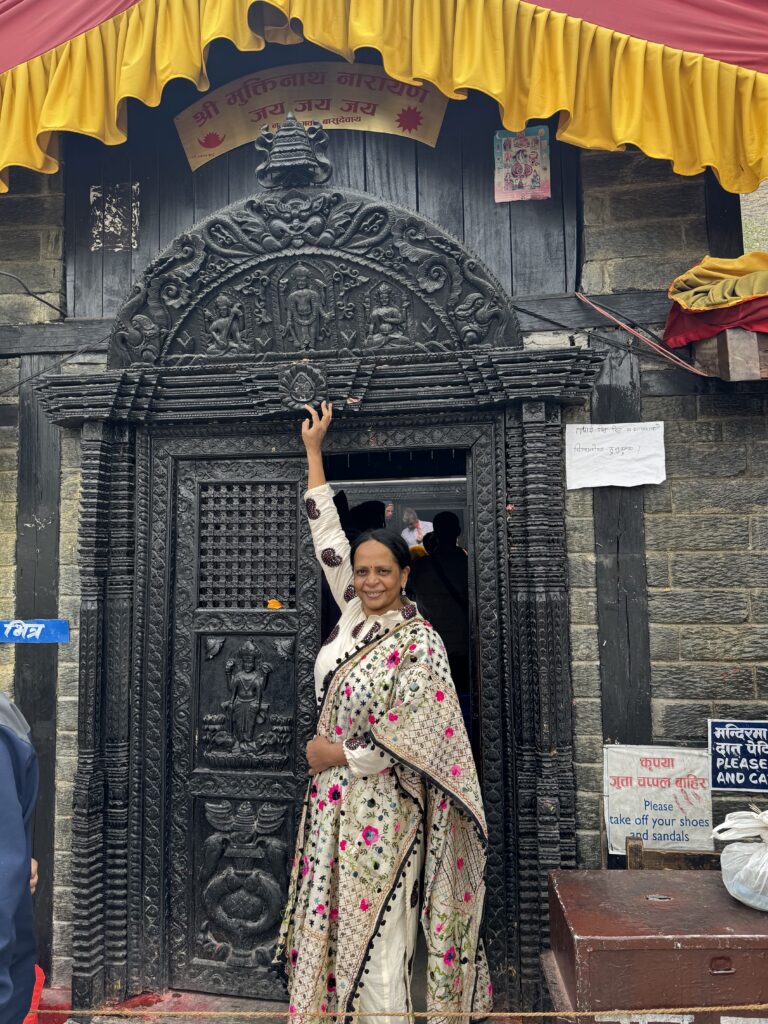
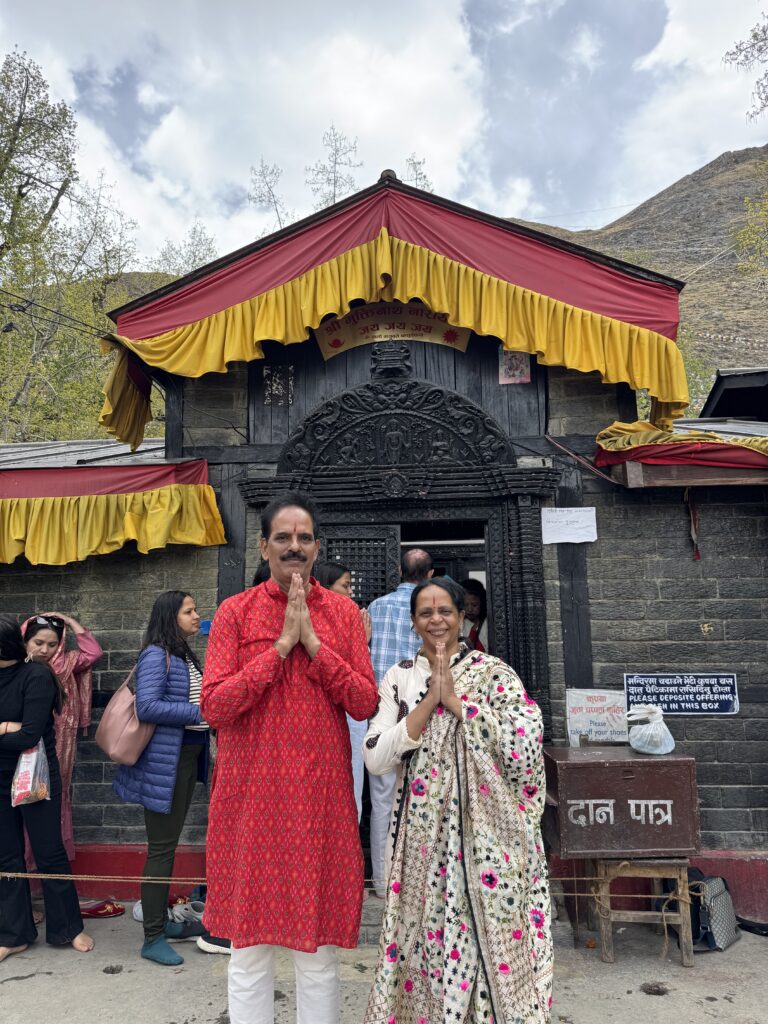
Muktinath
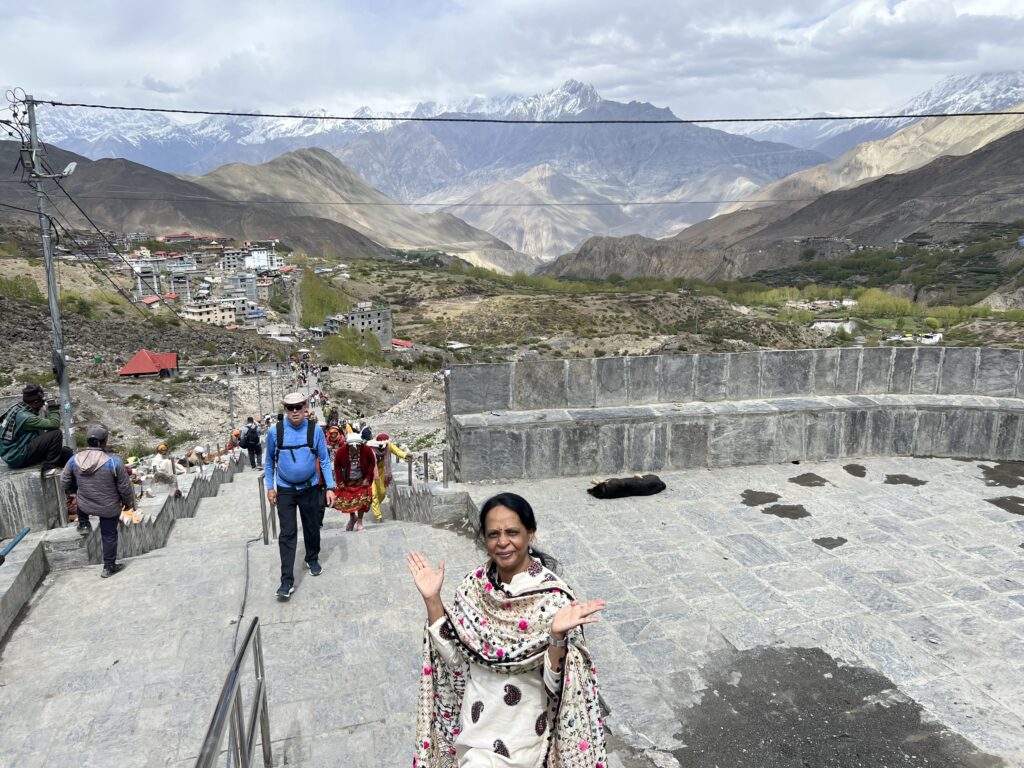
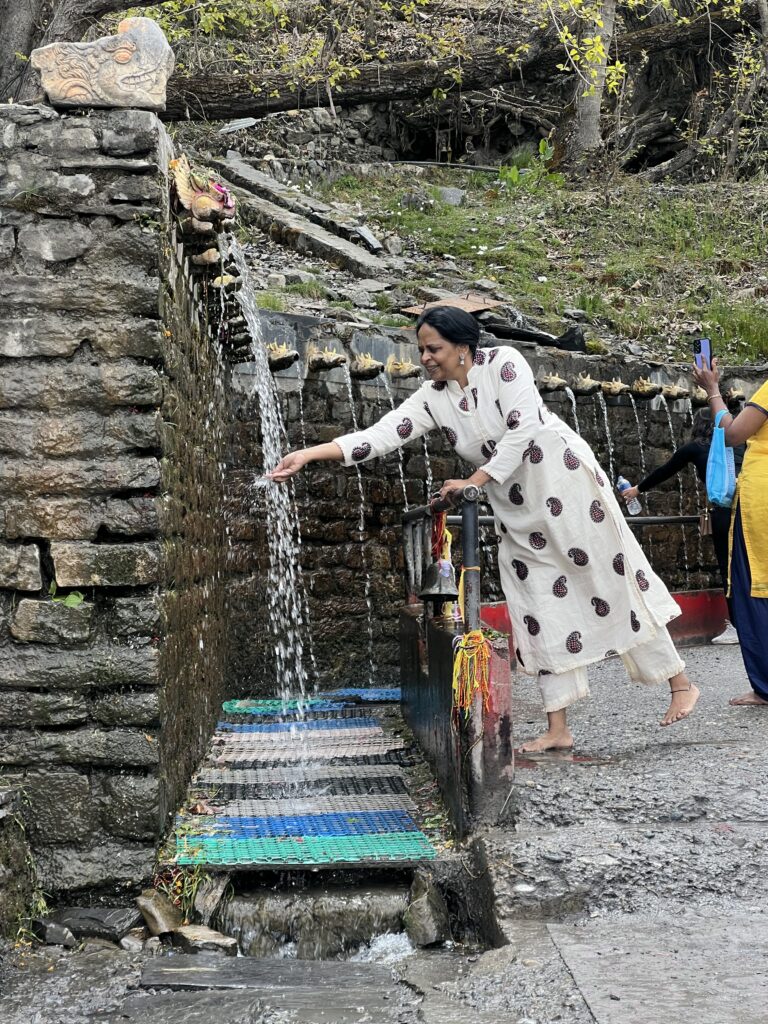
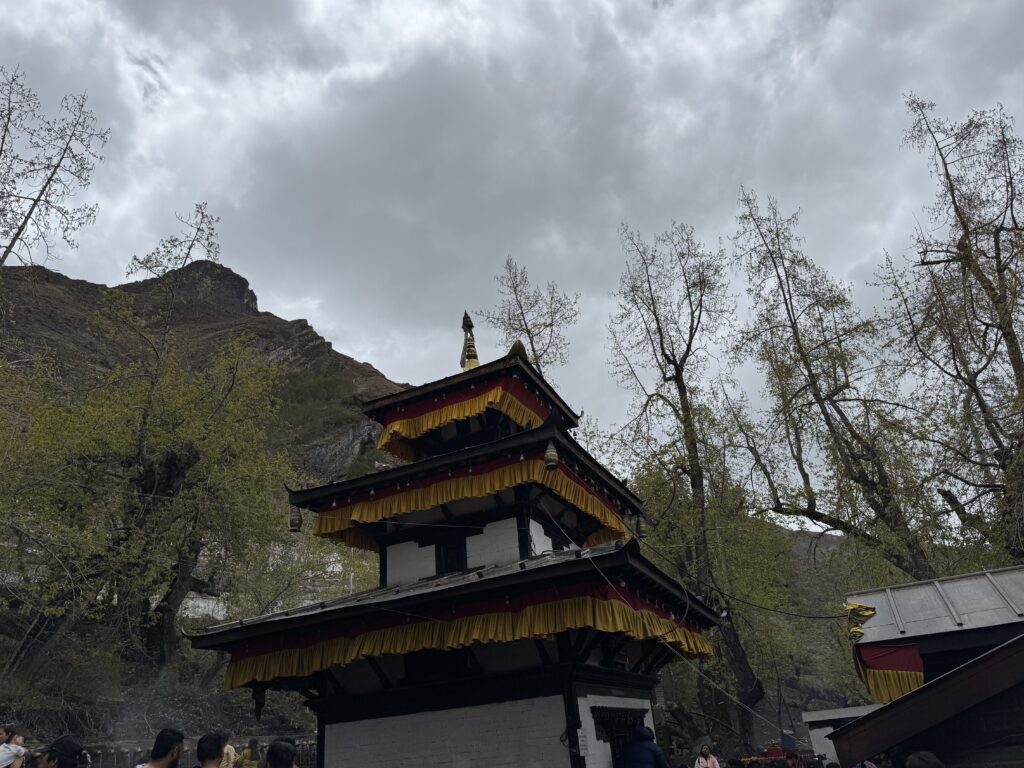
Located beneath the towering Thorong La Pass in the Mustang region, Muktinath is one of Nepal’s most sacred pilgrimage sites. It is revered by both Hindus and Buddhists, but I did not go there in search of religion. I went seeking silence and stillness. Standing before the temple, I watched 108 icy streams pour beside an eternal flame. Fire and water—two opposing forces—existed side by side in complete harmony. In that moment, I understood that strength does not come from choosing between opposites, but from learning to hold them both. Surrounded by the dry desert calm of Mustang and the grandeur of the Himalayan peaks, I felt small in scale but vast in clarity. The noise of everyday life—expectations, roles, and relentless doing—faded into the hush of that sacred space. Muktinath taught me that leadership is not always about movement; sometimes, it is about learning how to be still and listen deeply.
Sarangkot
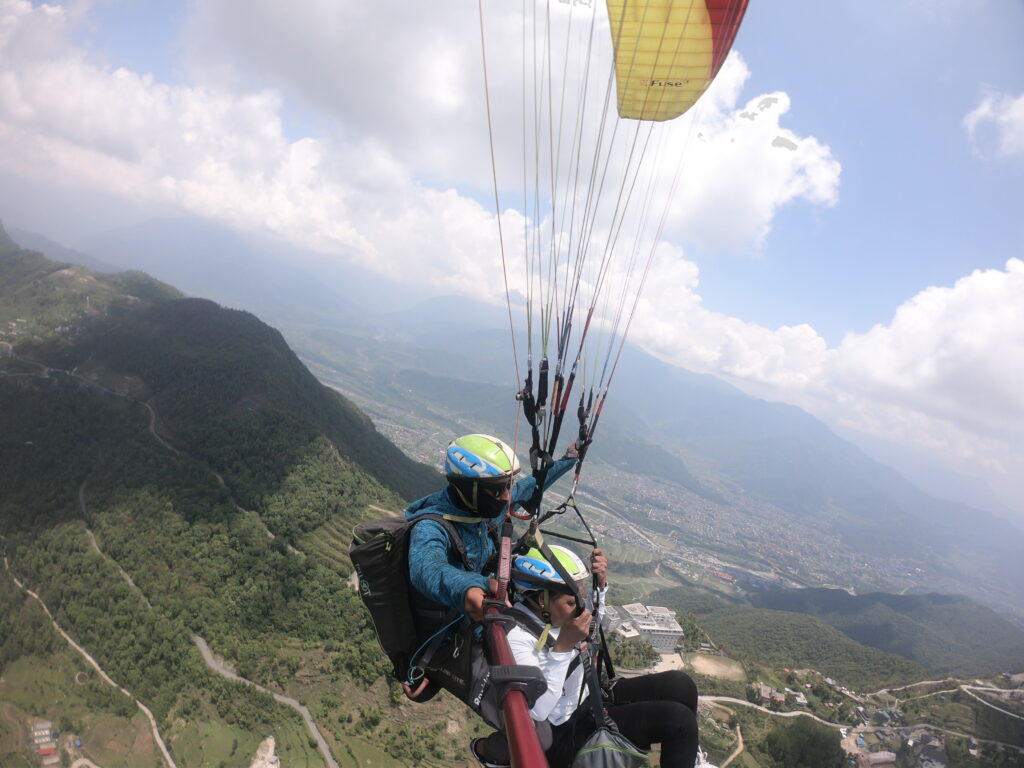
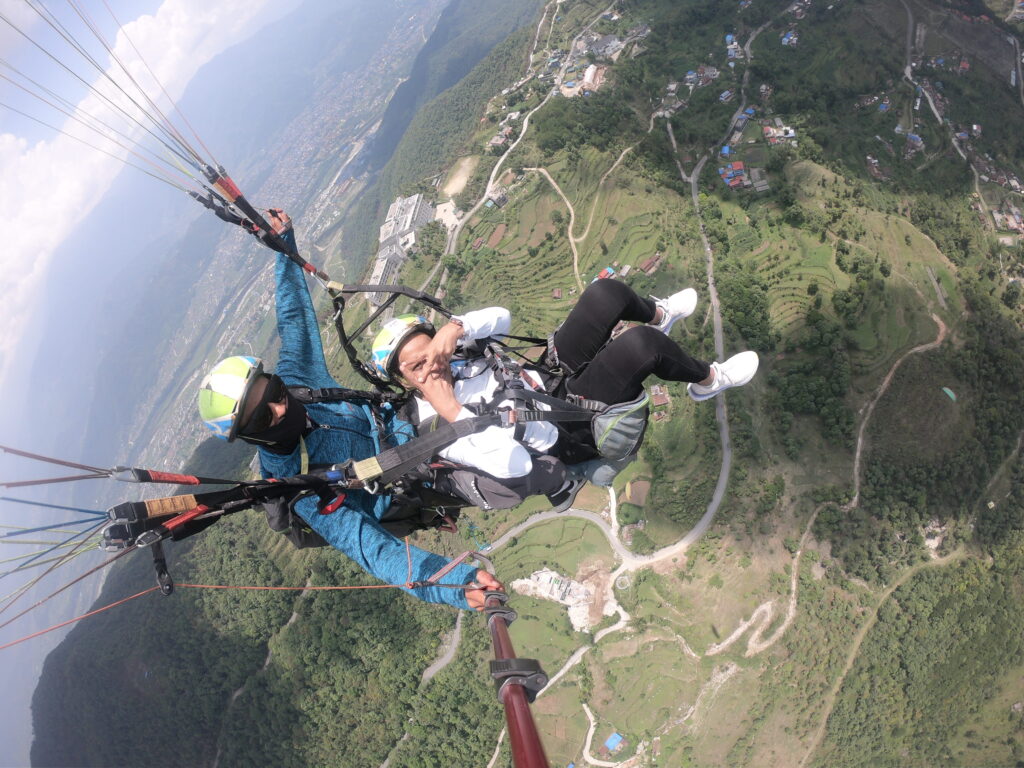
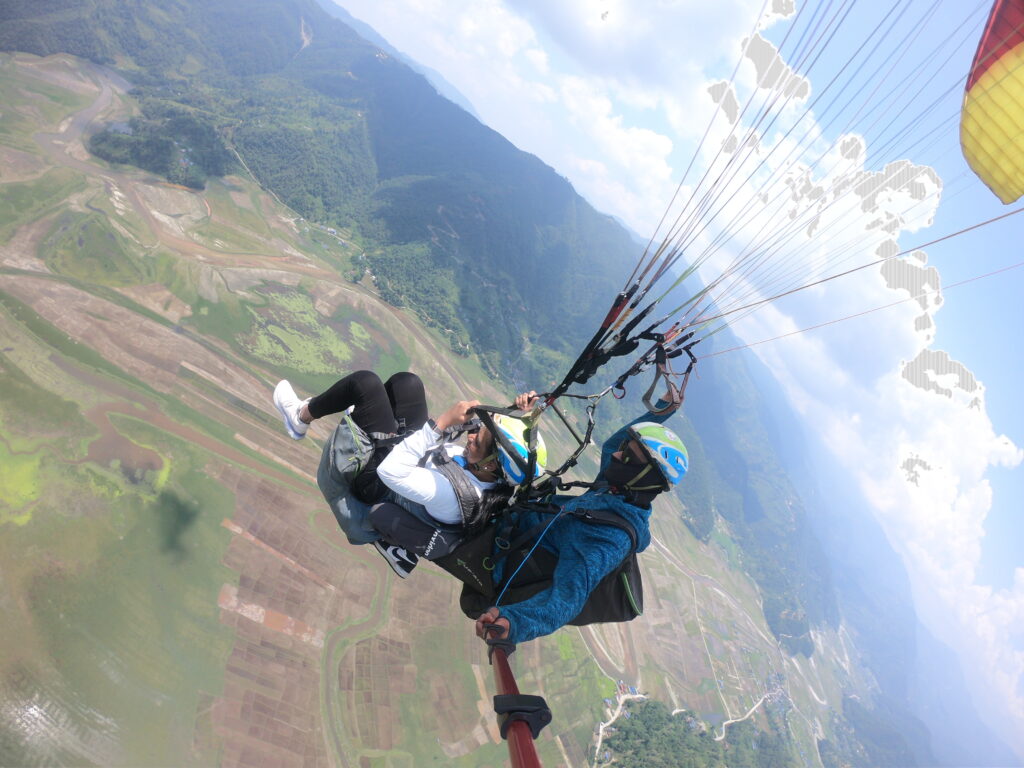
Perched high above Pokhara Valley, Sarangkot is known for its breathtaking views and adrenaline-filled paragliding. I found myself on the edge of a literal cliff, strapped into a harness, and told to run. As I took off, my feet left the ground, and I was suddenly airborne. Beneath me, Phewa Lake shimmered and the valley stretched into endless green ridges, while the Annapurna range rose solemnly in the distance. During the flight, my GPS buzzed with a warning: “You are leaving your designated territory.” But in that moment, those man-made borders felt irrelevant. The sky offered a different kind of permission—one that required no validation, only surrender. For nearly an hour, I floated weightless, free from timelines, roles, and routines. Sarangkot reminded me that freedom often begins where control ends, and that sometimes, to feel grounded, we must first learn how to let go.

Guhyeshwari Shaktipeeth
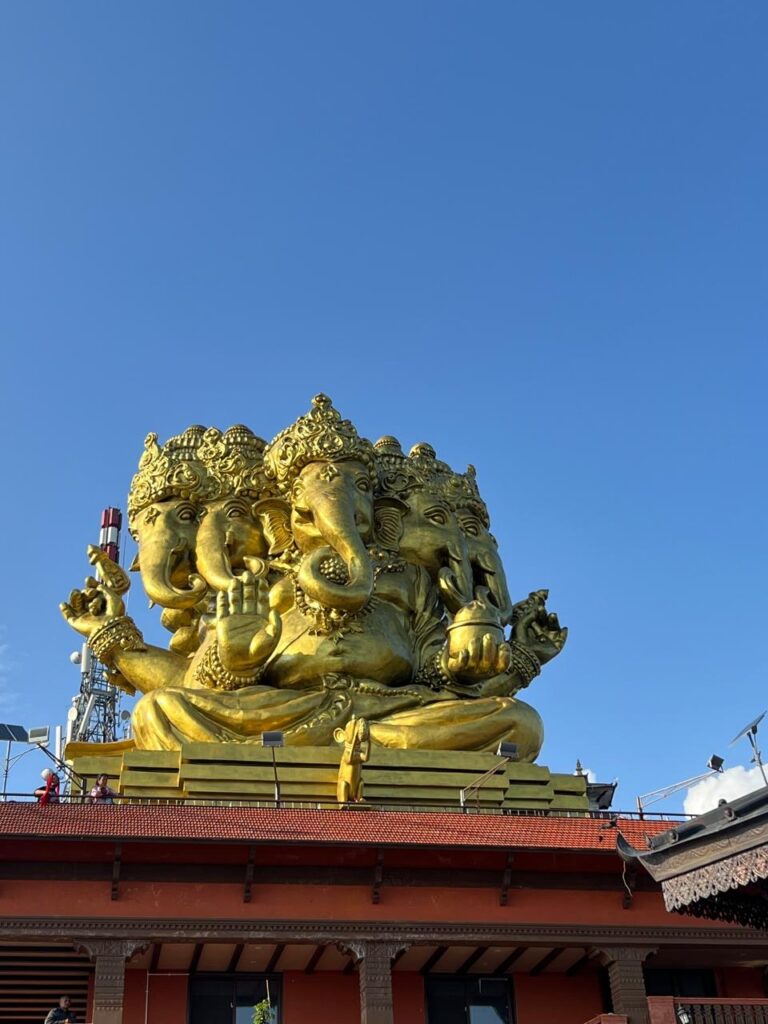
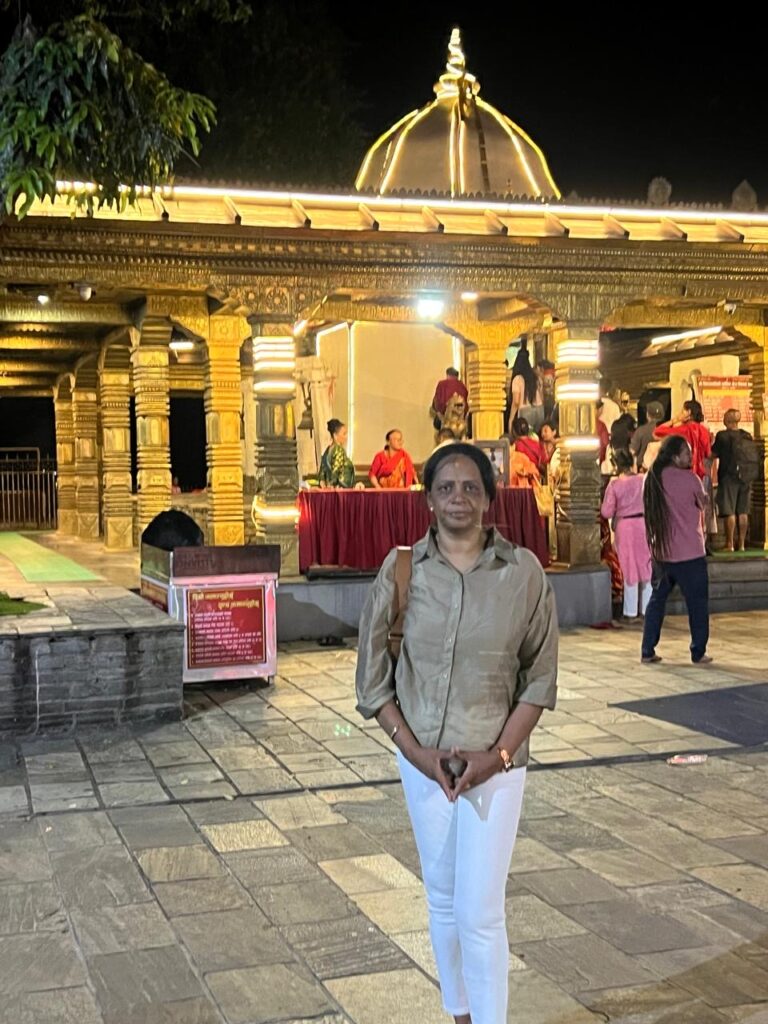
Just a short walk from the grandeur of Pashupatinath lies Guhyeshwari, one of the 51 revered Shaktipeeths across the Indian subcontinent. This temple honors the goddess Sati and is believed to be the resting place of her womb, symbolizing creation, feminine power, and intuitive wisdom. As I stepped into the quiet grounds, I felt a grounding presence that was unmistakably maternal. There were no elaborate rituals or towering statues—just the unshakable stillness of sacred feminine energy. The visit reminded me that strength does not always look like action or volume. Sometimes, it lives in softness, in quiet conviction, and in the grace of simply knowing your place in the world.
Pashupatinath
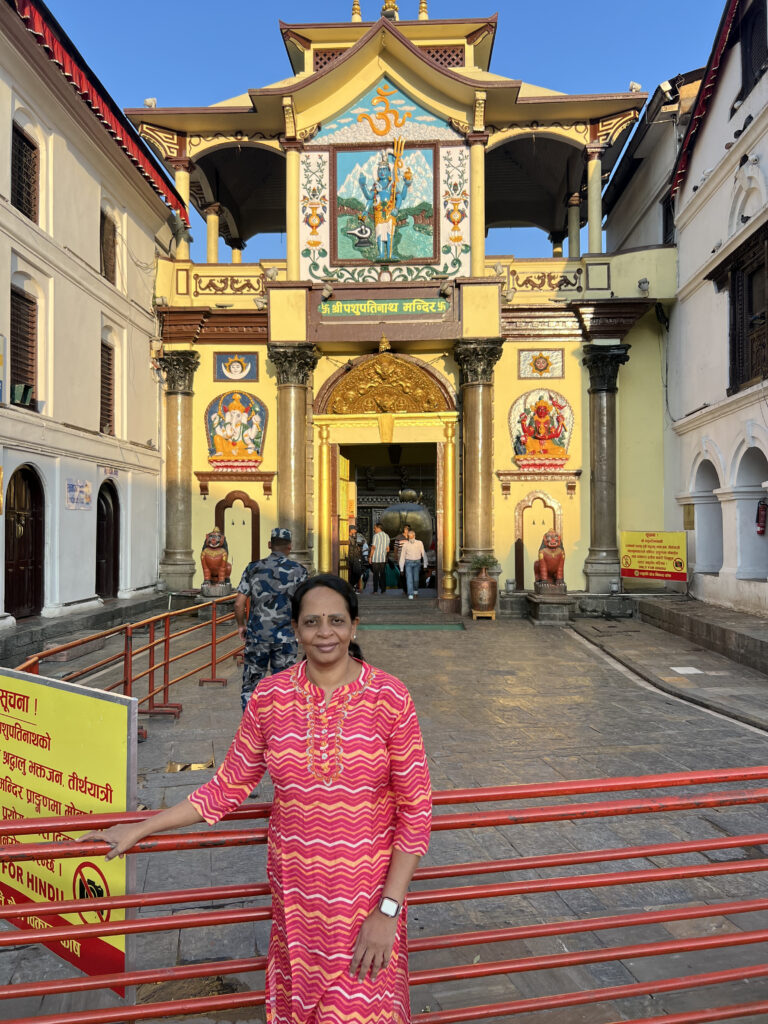
At Pashupatinath, one of Nepal’s most significant Hindu temples, life and death unfold side by side. I stood beside the Bagmati River, watching as families performed cremation rites for their loved ones. Flames flickered in the open air while priests chanted softly, their voices weaving together the sacred and the sorrowful. The sight was both jarring and deeply grounding. I had anticipated discomfort but found clarity instead. In the rituals of death, I found a reminder of what truly matters in life: presence, connection, and purpose. Pashupatinath did not just confront mortality—it made peace with it.


Barahi and Bindhyabasini
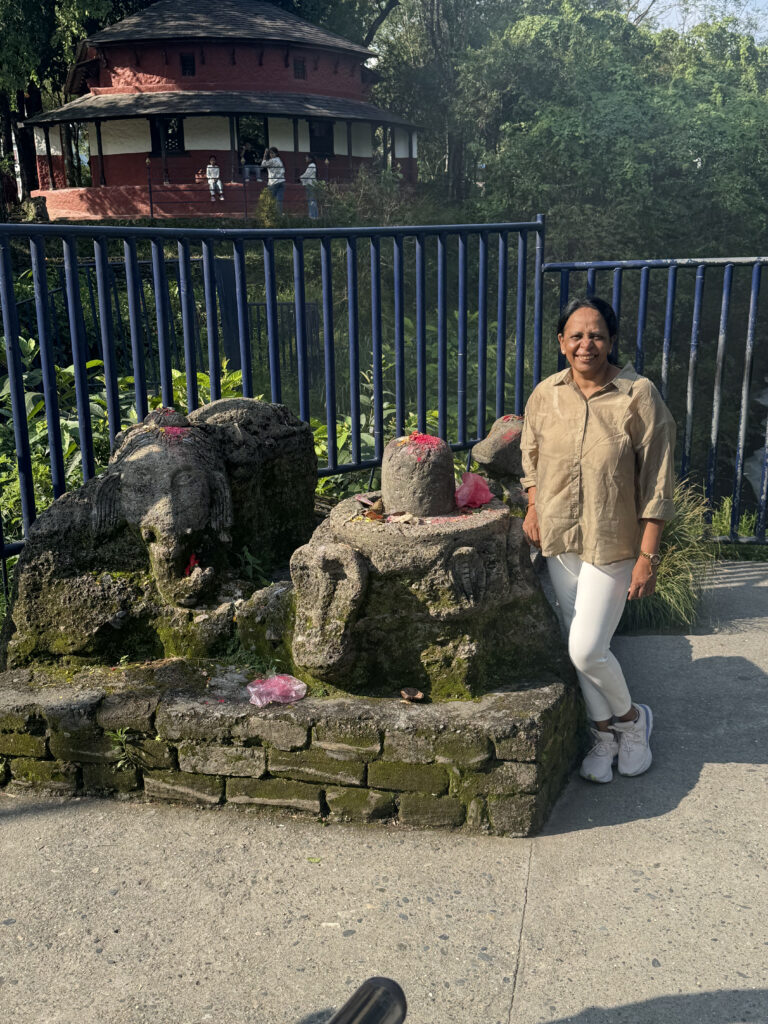
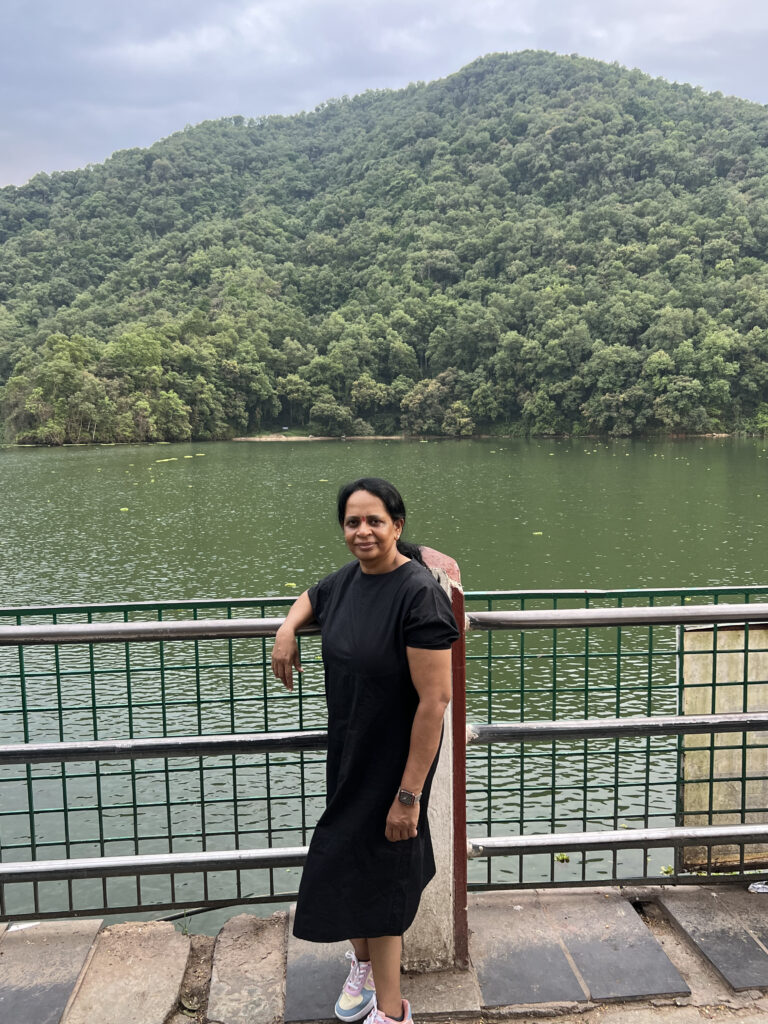
The Barahi Temple, located on a tiny island in the middle of Phewa Lake, and the Bindhyabasini Temple, resting quietly on a hilltop in Pokhara, offered a softer, more personal experience of spirituality. These temples were not crowded or dramatic. They welcomed me with the warmth of daily rituals—a woman lighting incense, a family offering flowers, bells chiming in a quiet rhythm. As I stood at both sites, I understood that spirituality need not always be an ascent or awakening. Sometimes, it reveals itself in the ordinary. In the rhythms of prayer passed down through generations, in the stillness of morning offerings, and in the grace of returning to the same sacred space again and again.
Expeditions: The Journey That Tests and Transforms
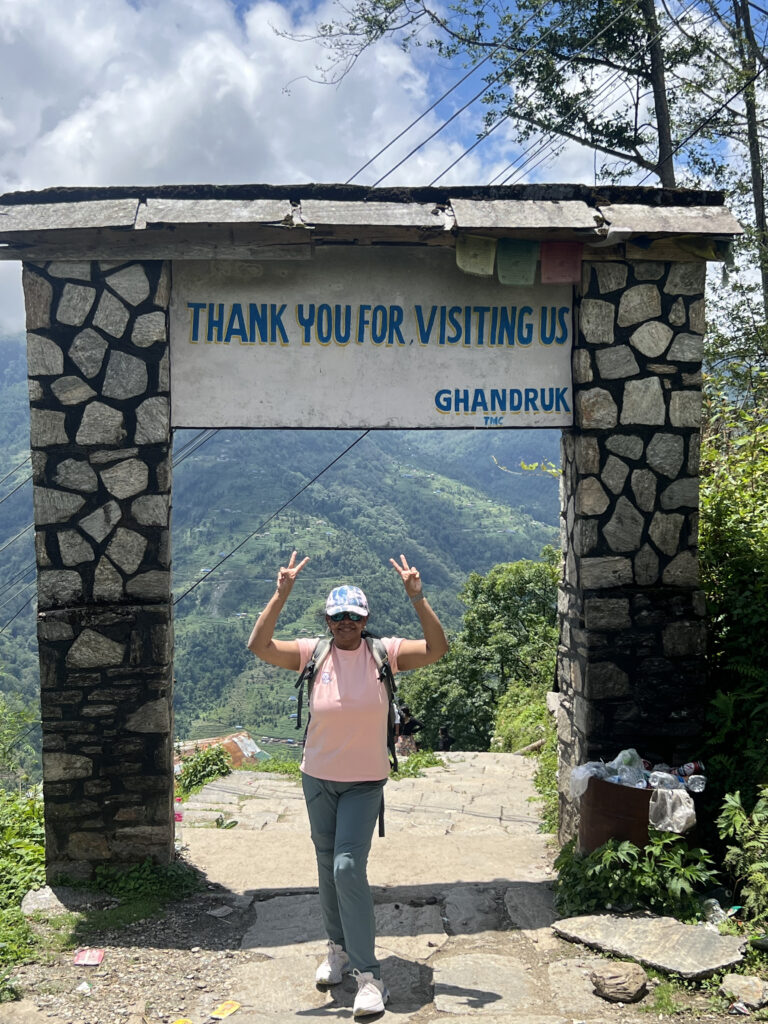
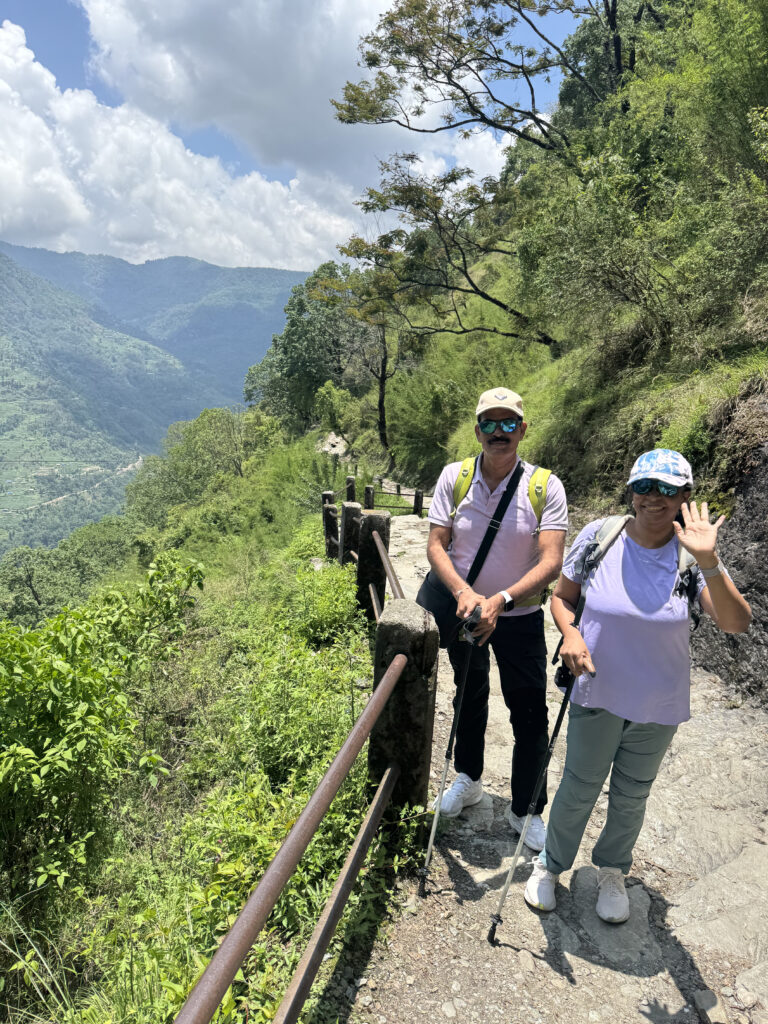
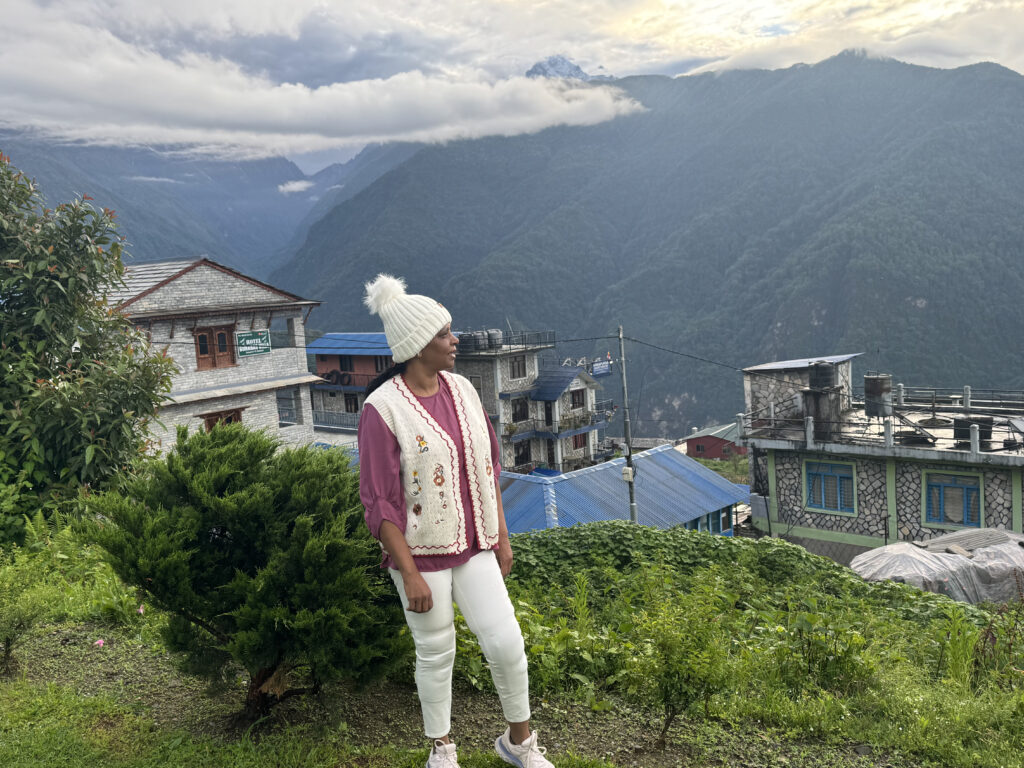
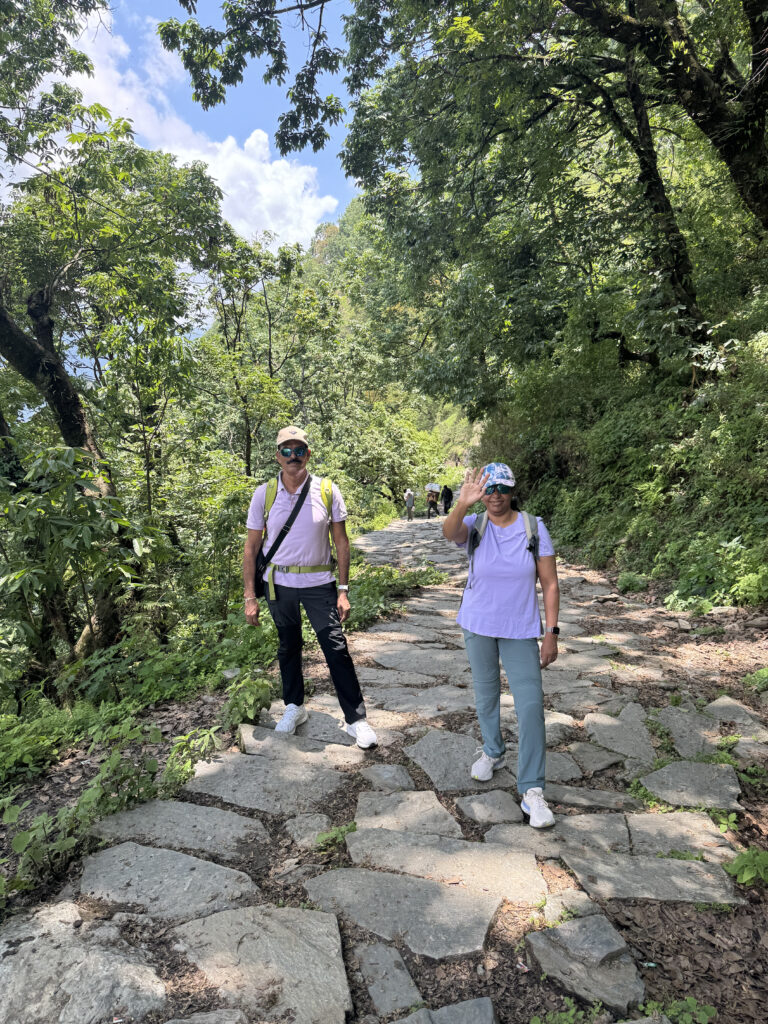
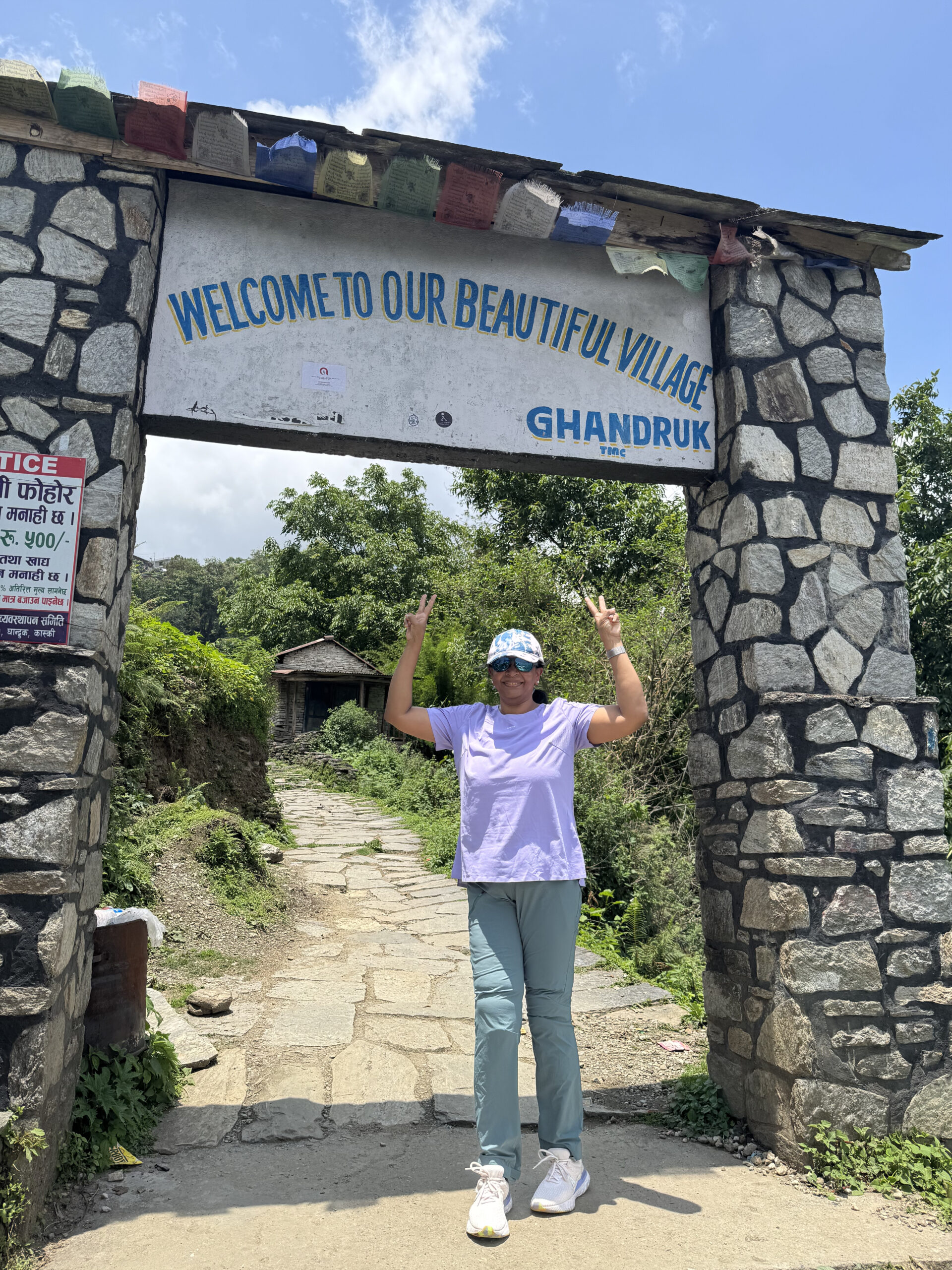
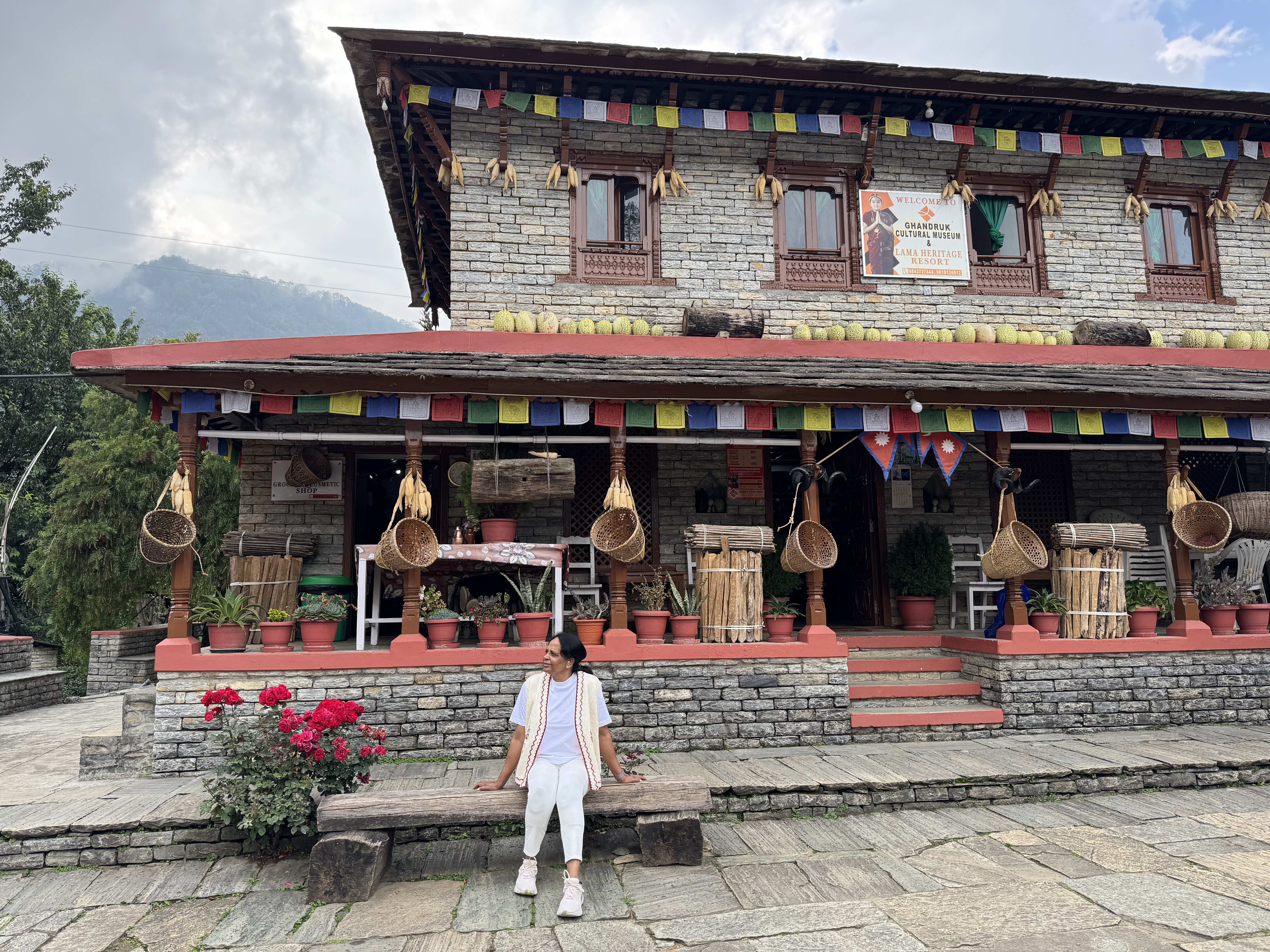
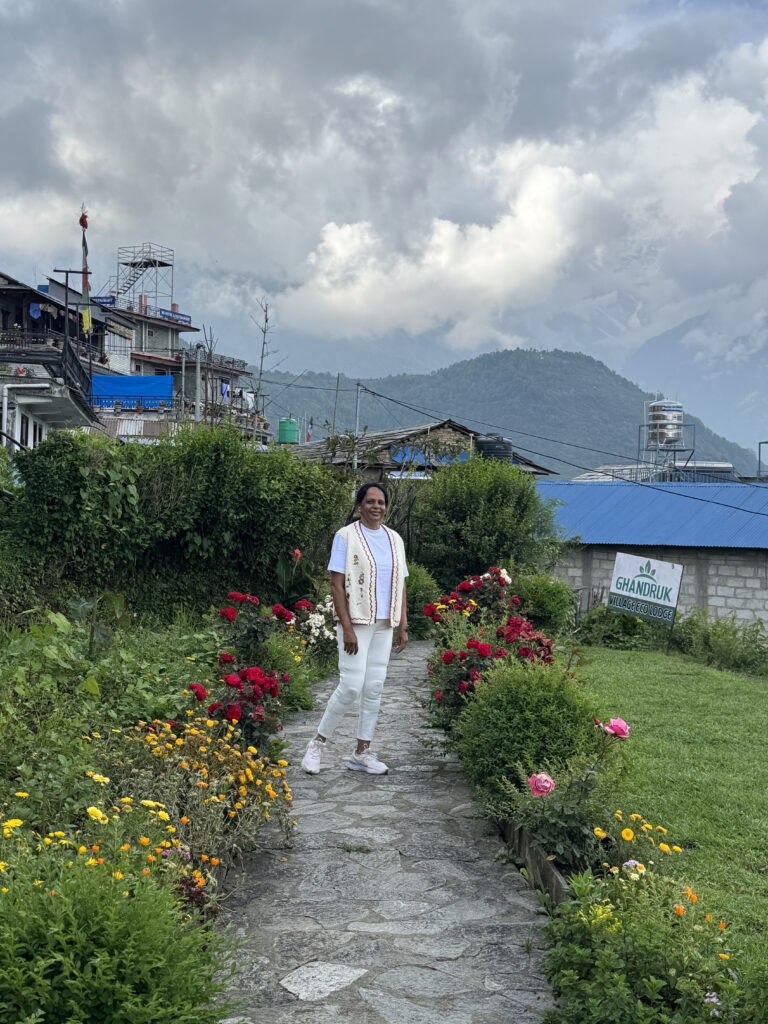
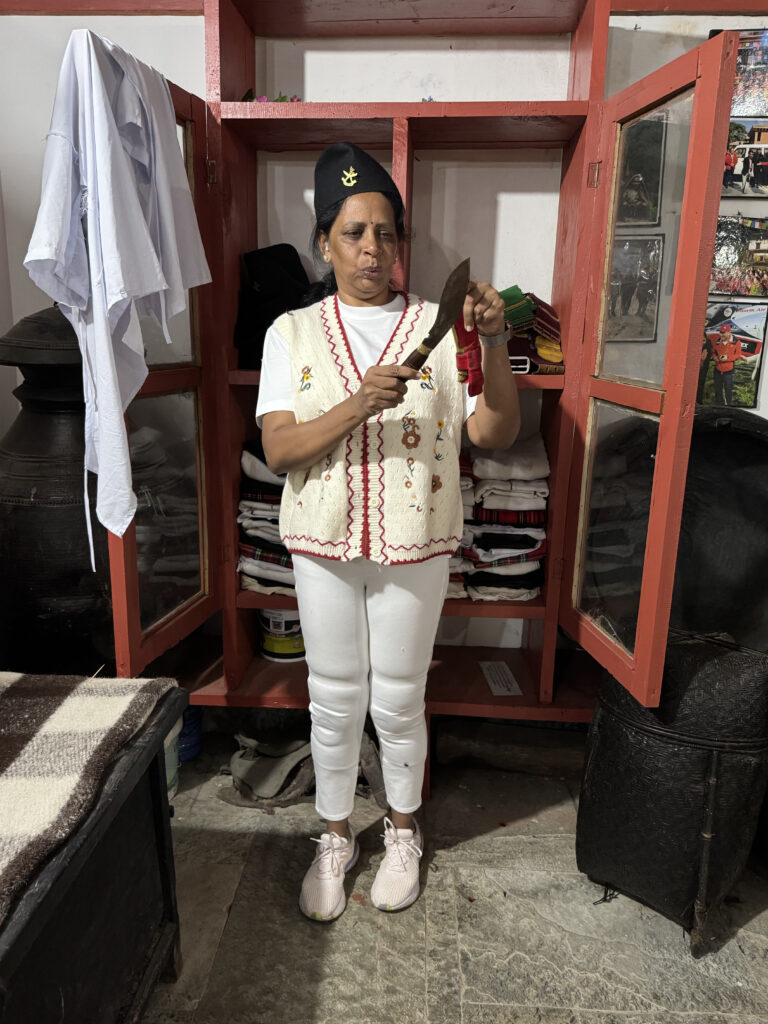
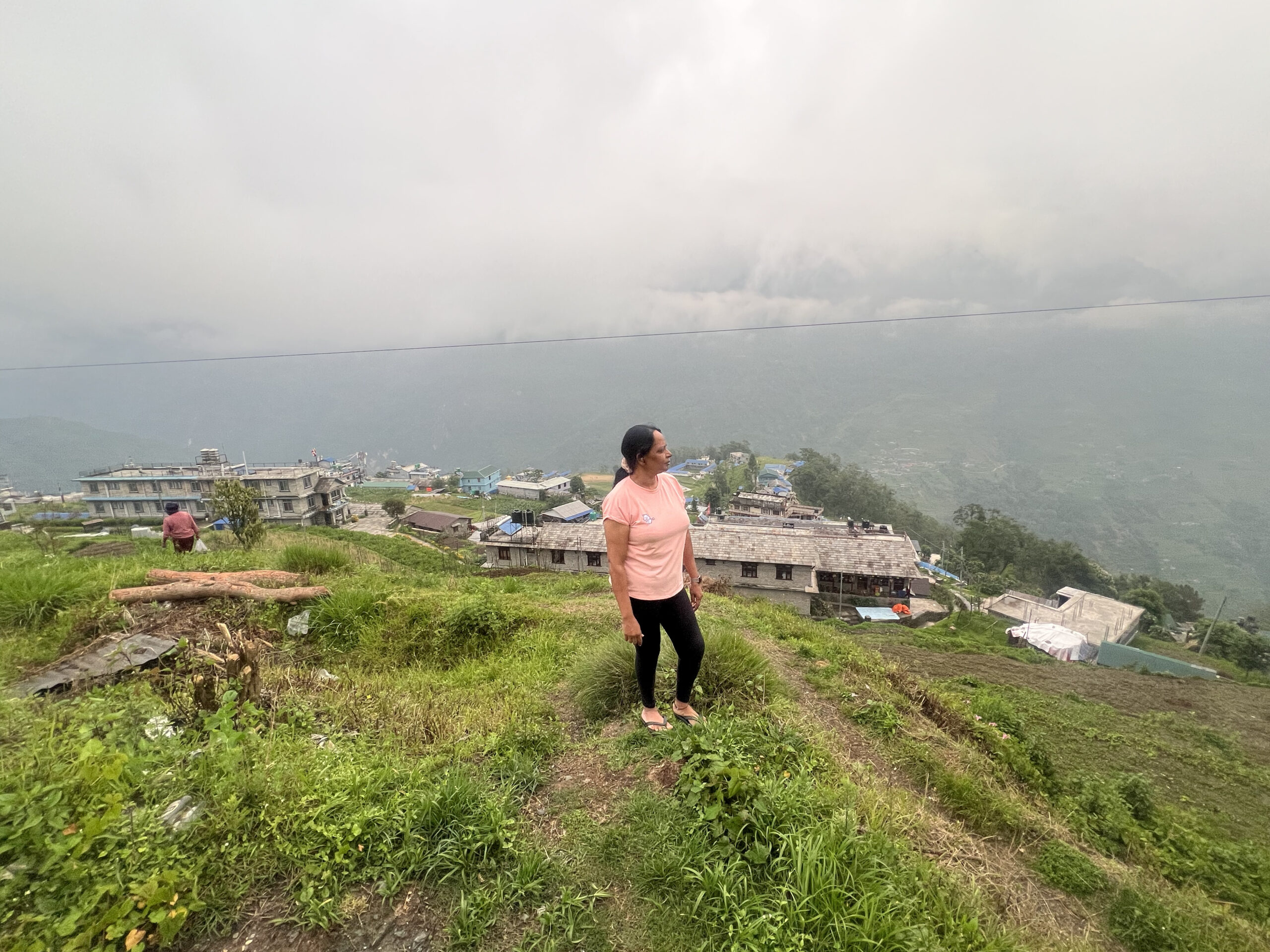
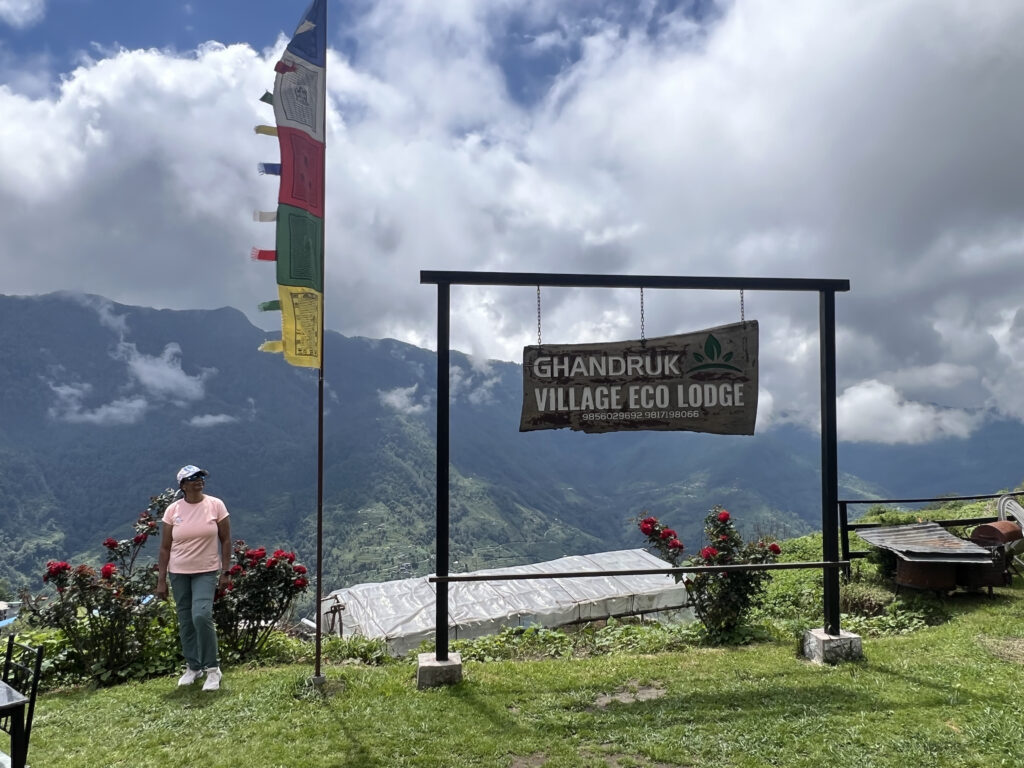
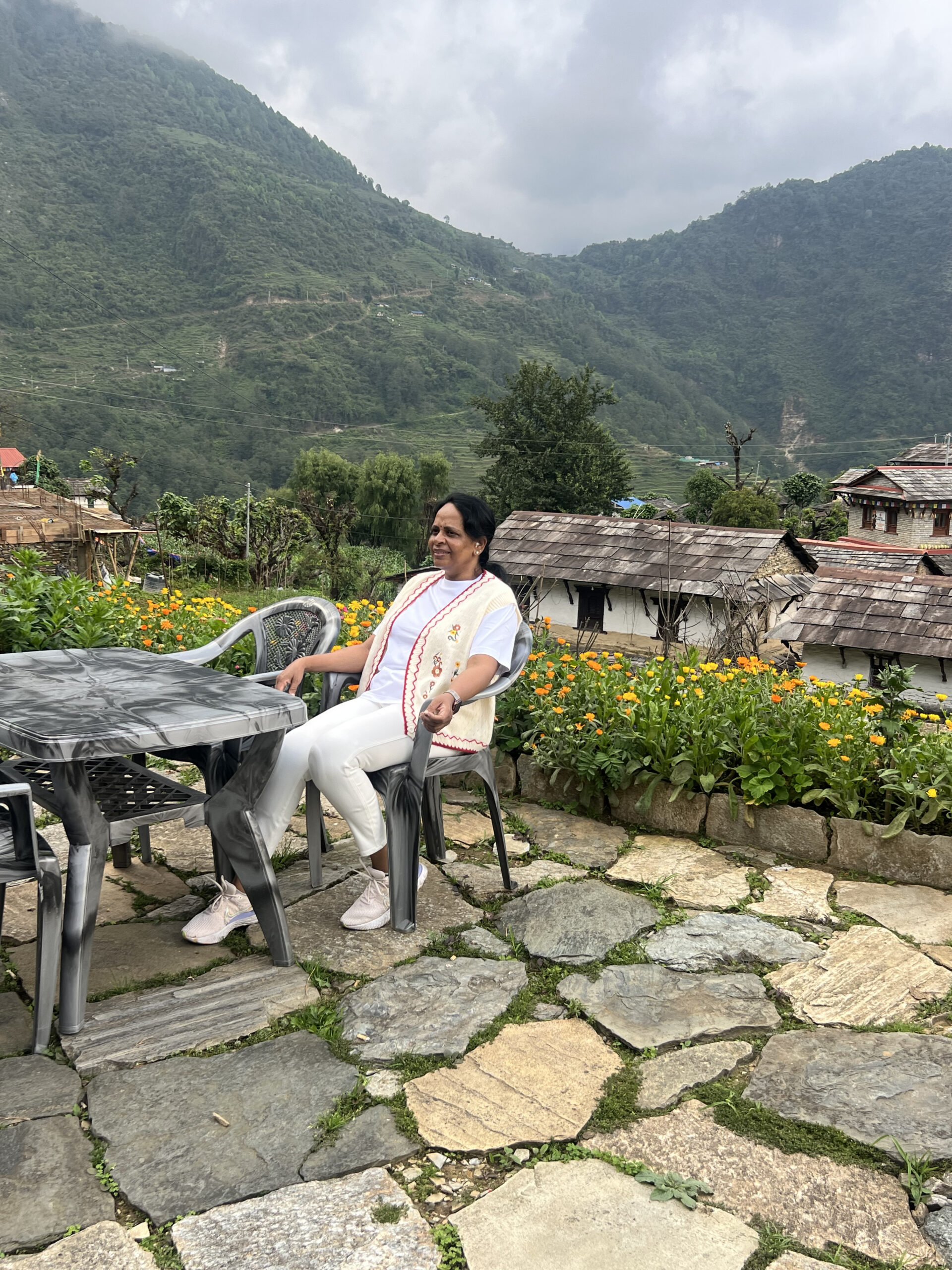
The trek to Ghandruk, a charming Gurung village nestled in the green hills of Nepal, was both physically demanding and emotionally revealing. The steep trails, thinning air, and aching muscles tested my endurance, and though I often felt like stopping, an inner voice kept urging me onward. At a sudden bend in the trail, the view unfolded—Annapurna’s majestic peaks stood silent and strong, with Machhapuchhre’s sacred summit cutting through the clouds. In that moment, the struggle transformed into something sacred. Ghandruk welcomed me with stone houses, the laughter of children, and elders whose calm faces held generations of wisdom, making it clear that the climb was never just about reaching a destination—it was about proving to myself that I could persevere. Similarly, reaching Muktinath was a journey through extremes—winding roads, sharp altitudes, and ever-changing terrain. The transition from arid deserts to snow-lined ridges tested not only my body but also my spirit. Yet, with every step, the effort deepened the sense of arrival. Muktinath was not merely a sacred stop; it was a pilgrimage that proved how the most meaningful places are often those we struggle hardest to reach.

Adventure: Learning to Let Go and Trust the Wind
Paragliding in Sarangkot
In Sarangkot, near Pokhara, I stood on the edge of a literal cliff, strapped into a paraglider. As I ran toward the drop, my feet suddenly left the ground, and I was airborne. Beneath me, the Pokhara Valley stretched like a painting. Phewa Lake shimmered in the sunlight, and the hills rolled in soft green waves. Above all of it stood the Annapurna range, cutting through the clouds with quiet strength. Mid-flight, my GPS buzzed with a warning: “You are leaving your designated territory.” The message was ironic. Up there, above rules and roads, I felt completely free. There were no boundaries in the sky. No lines. No checkpoints. The farther we drifted, the more the device protested. But the sky remained silent. It did not need permission. It simply offered freedom—raw, quiet, and real. For nearly an hour, I felt untethered. I was not escaping life. I was remembering what it felt like to truly live it. When I landed, the weightlessness remained in my bones. It reminded me that sometimes, to find your balance, you need to leave the ground.


A Promise to Move Forward, Mindfully
Each place I visited in Nepal offered a different lesson, but all pointed to the same truth: clarity arises in stillness, strength is forged through presence, and freedom begins when you release control.
Muktinath reminded me that stillness is not emptiness, but presence.
Guhyeshwari and Barahi taught me that the divine often appears in the everyday.
Pashupatinath made me confront mortality—and with it, meaning.
Ghandruk proved that the hardest climbs often lead to the deepest clarity.
Sarangkot showed me that when you let go, life can lift you.
I did not return from Nepal with just photographs or souvenirs. I returned with a quiet vow:
I will slow down.
I will listen inward before acting outward.
I will lead with clarity rather than chaos.
I will build with intention rather than impulse.
In a world that celebrates hustle, I now understand that the greatest strength often lies in knowing when to pause. And sometimes, it takes getting lost in the mountains to finally find your way.

Hi, I'm Radhika Rao
Transformative & Technology Leader |
A Trailblazer | Embracing Life
Latest Posts


